





U.S. Crypto tax reform returned to focus in Washington as U.S. lawmakers prepared to review new digital asset tax drafts. The House Ways and Means Committee is leading the effort. The hearing is set for Tuesday afternoon in Washington.
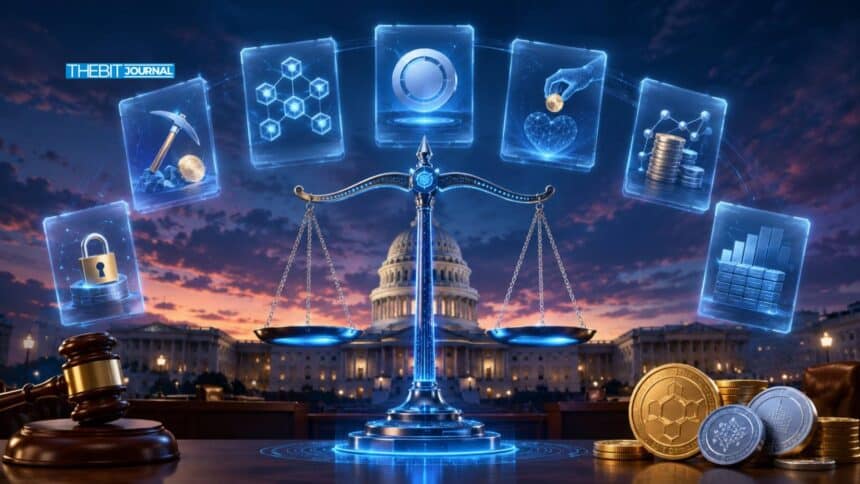
The committee will examine seven draft proposals tied to digital asset taxation. The drafts cover staking, mining, crypto lending, stablecoins, wash-sale rules, charity donations, and tax reporting.
Crypto Tax Reform Push Builds From PARITY Act
Industry voices are also expected at the hearing. Representatives from Coinbase, Fidelity, and Coin Center are expected to attend. Researchers from New York University are also part of the discussion.
Crypto tax reform has become a major issue as digital asset use grows across the United States. Investors, miners, stakers, and crypto firms have long asked for clearer rules.
The new drafts are linked to the earlier Digital Asset PARITY Act. That bill was introduced in December by lawmakers Max Miller and Steven Horsford. The new effort also includes ideas supported by Senator Cynthia Lummis.
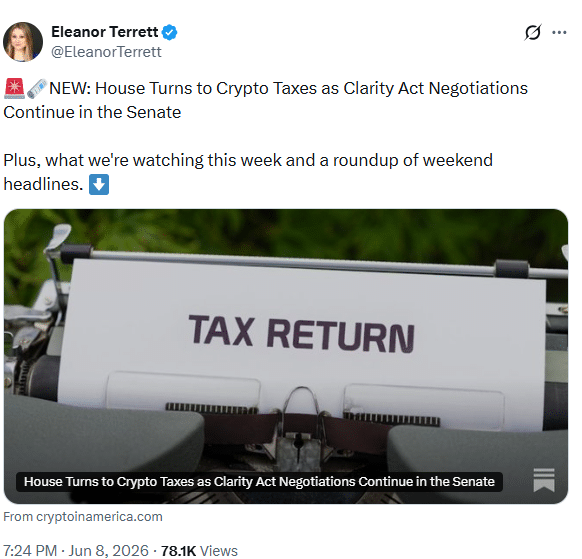
House Turns To Smaller Tax Bills
Lawmakers are not trying to pass one large crypto tax package. Instead, they are splitting the issue into smaller bills. Each draft targets one part of the digital asset market.
Supporters say this could make the process easier. A smaller bill can be debated more clearly. It can also move forward even if another part faces opposition.
This approach gives Crypto tax reform a more practical path. It also helps lawmakers focus on technical details.
Drafts Target Staking And Mining
Staking and mining are two key areas in the proposals. Crypto firms have asked for clearer tax timing on rewards for years.
Some industry participants argue that rewards should not be taxed before they are sold. Others want better rules for reporting income from mining activity.
The hearing could shape how Congress views these issues. It may also show where lawmakers still disagree.
Stablecoins And Lending Enter Debate
The drafts also address stablecoins and crypto lending. These areas have grown quickly in recent years.
Stablecoins are often used for payments, trading, and settlement. Crypto lending platforms also create tax questions for users and companies.
Crypto tax reform may need to define how these activities should be reported. It may also need to reduce confusion for platforms that handle large transaction volumes.
Wash-Sale And Reporting Rules Reviewed
Wash-sale rules are another major focus. Traditional securities rules limit how investors claim losses after selling and buying back assets.
Crypto has not always been treated the same way. Lawmakers are now looking at whether similar rules should apply to digital assets.
Tax reporting is also under review. Supporters say clearer reporting rules could help users follow the law. Critics worry that broad rules may create heavy compliance costs.
Industry Groups Back The Effort
Several crypto groups have supported the House effort. The Digital Chamber, The Blockchain Association, and the Crypto Council for Innovation have backed clearer rules.
The Digital Sovereignty Alliance also called the moment important for U.S. crypto tax policy. Supporters say Crypto tax reform could help keep digital asset activity in the country.
They also argue that clear rules can improve trust. Better tax guidance may help companies plan with less legal risk.
Concerns Remain Inside The Industry
Not all industry participants are fully comfortable with the drafts. Some have raised private concerns about certain details.
These concerns have not yet become a public campaign. Still, they show that the proposals may face changes before any vote.
Crypto tax reform is difficult because each rule can affect users in different ways. Retail traders, miners, exchanges, and funds may not share the same priorities.
Illinois Tax Plan Adds Pressure
A separate debate is taking place in Illinois. The state is considering a $56 billion budget that includes a 0.2% tax on some crypto transactions.
Industry groups say the tax could push firms away from the state. Olta Andoni, executive director of the Illinois Blockchain Association, warned that the measure could tell companies to “pack your bags and move.”
The Illinois debate adds pressure to the national discussion. It shows how tax policy can affect where crypto firms choose to operate.
CLARITY Act Talks Continue
The House tax push comes as the Senate works on the CLARITY Act. That bill focuses on wider digital asset market rules.
Lawmakers are still debating ethics rules, DeFi, and committee language. Senator Cynthia Lummis has said the bill may move after July 13.
More than 200 crypto organizations have urged the Senate to advance the bill soon. Their letter shows that the industry wants faster action on federal rules.
Conclusion
Crypto tax reform is now moving through a more focused process in Congress. The seven drafts are not final law. However, they mark a serious attempt to address long-running tax issues in the digital asset market.
The hearing may help shape the next stage of U.S. crypto policy. It could also decide how Congress balances innovation, compliance, and investor protection.
Appendix Glossary of Key Terms
Staking: The act of locking tokens of a cryptocurrency.
Mining: Mining is a process of validating blockchain transactions in order to receive rewards that are paid in crypto.
Wash-sale rules: Regulations that prevent loss claims after purchasing and selling (and then quickly re-buying) an asset.
Stablecoins: A type of digital token that aims to maintain a stable value, and is often pegged to the U.S. dollar.
CLARITY ACT : Proposed U.S. legislation seeking clarification on digital assets market laws
PARITY Act: An earlier piece of legislation that informed the new crypto tax draft proposals.
Frequently Asked Questions About Crypto tax reform
1- What is Crypto tax reform?
It is an effort to update tax rules for digital assets, including staking, mining, lending, and reporting.
2- How many draft proposals are being reviewed?
Lawmakers are reviewing seven draft proposals.
3- Which committee is leading the effort?
The House Ways and Means Committee is leading the review.
4- Is this already law?
No. The proposals are still drafts.
References