











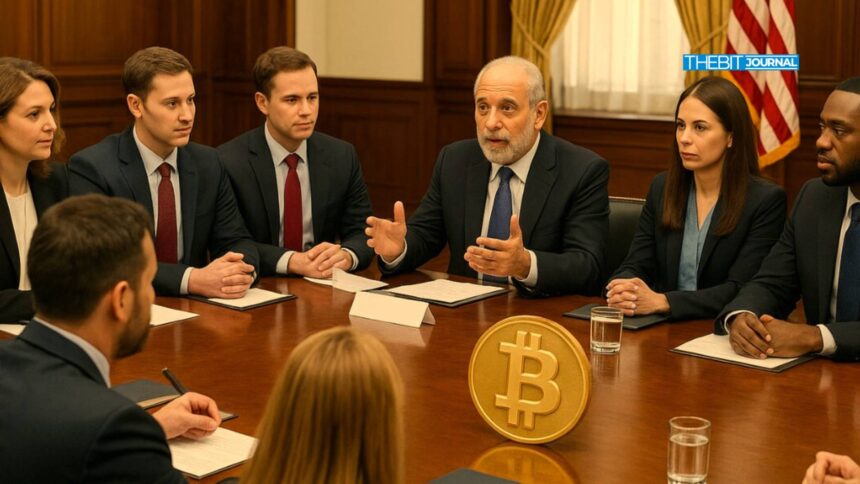

Lawmakers in the US are working with top crypto executives to discuss a newly proposed BITCOIN Act, which could lead to the creation of a massive national Strategic Bitcoin Reserve.
According to an X post by the mover, Senator Cynthia Lummis, the proposal includes plans to acquire one million Bitcoins worth over $115 billion at the current market price. The BITCOIN Act proposes to finance the purchases by the Treasury and Federal Reserve spread over the next five years.

What the Bitcoin Act Proposes
The new BITCOIN Act initiative comes hot on the heels of the proposal by US President Donald Trump supporting the creation of a Strategic Bitcoin Reserve. The idea is that BTC could become an integral part of the US’s financial plan for the future. Once the government acquires the one million BTC, the BITCOIN Act proposes that the crypto assets be locked in a Strategic Bitcoin Reserve for at least 20 years.
Also Read: Why the US will Adopt Budget Neutral Ways for a Strategic Reserve
According to the BITCOIN Act proposal, the US government could only be allowed to withdraw the coins earlier in the event there’s a need to pay any national debt. Lawmakers supporting the proposal believe the plan could keep the country safe from inflation, besides strengthening the financial system altogether.
How the Government Could Pay for It
Bitcoin offers several proposals regarding how the US government could afford to purchase so many Bitcoins without creating a budget deficit. According to the lawmakers and a group of crypto company executives, some revenue sources would include the following:
Revaluing gold certificates: A proposal to revalue the US gold reserve certificates that haven’t been updated over the years, and use the extras to buy Bitcoin.
Tariff revenue: Use extra income from US trade tariffs to pay for Bitcoin purchases.
Seized Bitcoin: A proposal to add the Bitcoin seized from crimes that the government already holds to the Strategic Bitcoin Reserve.
Apart from lawmakers, several crypto and finance executives are already in support and consulting with them. They include Michael Saylor from Strategy (formerly MicroStrategy), Tom Lee from Fundstrat, and CEOs from CleanSpark, Marathon Digital, and Bitdeer, among others.
Also Read: Michael Saylor’s Vision: How Bitcoin Treasury Firms Monetize the BTC Credit Curve
Executives from Western Alliance Bank and several other investment firms, part of the traditional finance world, are also participating in the discussion. The inclusion of voices from both the traditional and digital finance worlds aims to ensure the Bitcoin Act covers everything from mining and custody to regulation and market stability.
Conclusion
By including the input of crypto and traditional finance executives in drafting the proposed Bitcoin Act, lawmakers aren’t taking any chances to ensure the proposed Strategic Bitcoin Reserve actually works. The next few months will be crucial for the lawmakers and executives to cut a clear path for the BITCOIN ACT, which could see the US participating in the greatest financial experiment in recent days.
Read more Bitcoin News on Our Website.
Summary
- US lawmakers and crypto industry executives are discussing proposals on a new BITCOIN Act.
- The Act proposes the creation of a Strategic Bitcoin Reserve with up to one million Bitcoins.
- The Act proposes funding of the reserve using gold revaluation, tariffs, and seized Bitcoin without raising taxes.
Glossary of Key Terms
BITCOIN Act: A proposal for a US Bitcoin Reserve, a concept championed by Senator Cynthia Lummis
Strategic Bitcoin Reserve: A proposal for a reserve asset to be funded by the United States Treasury’s forfeited bitcoin, announced by President Donald Trump in March 2025.
Tariff Revenue: Tariffs are taxes on imported goods.
US gold certificates: Gold certificates were issued by the United States Treasury as a form of representative money from 1865 to 1933.
Frequently Asked Questions about Bitcoin Reserves
What is a Bitcoin Reserve?
A Bitcoin Reserve is a stockpile of Bitcoin held by a government or central authority. Bitcoin reserves aim to provide a hedge against the volatility of fiat currencies and geopolitical risks.
How Does a Bitcoin Reserve Work?
A Bitcoin Reserve operates by centralizing a nation’s Bitcoin holdings, with these assets generally managed by government agencies and stored in secure digital wallets or institutional-grade custody solutions.
How much Bitcoin does the US government own?
As of August 2025, the US government holds approximately 200,000 BTC, making it the largest sovereign holder of Bitcoin globally.
Why are governments creating Bitcoin reserves?
Bitcoin reserves aim to provide a hedge against the volatility of fiat currencies and geopolitical risks.