



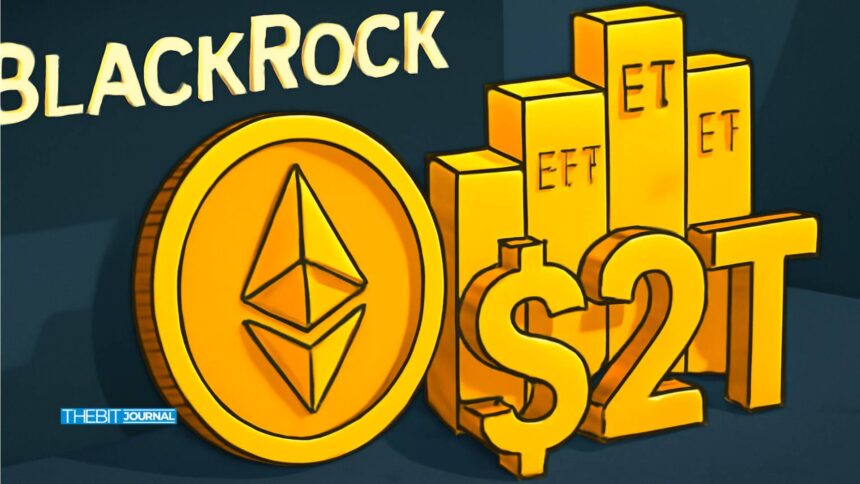

BlackRock, the largest asset manager in the world, is looking at the potential of tokenization of ETFs to access the $2 trillion real-world asset (RWA) market. The company is exploring how to introduce traditional exchange-traded funds ETFs to blockchain technology.
This move is part of BlackRock’s ongoing push to bring digital assets into its portfolio. The shift could provide new opportunities with regards to market access, better liquidity, and faster transactions.
BlackRock Expands Digital Assets with ETF Tokenization
BlackRock has been early in the adoption of digital assets, and it is building on the success it has had with tokenized financial products. The company launched its tokenized money market fund, BUIDL, in 2024 which has since grown to over $2 billion in assets.
This follows the launch of its spot Bitcoin ETF, which has become one of the most successful funds of its kind. BlackRock now intends to go even further in reaching out with the tokenization of ETFs, introducing an important change to the financial landscape.
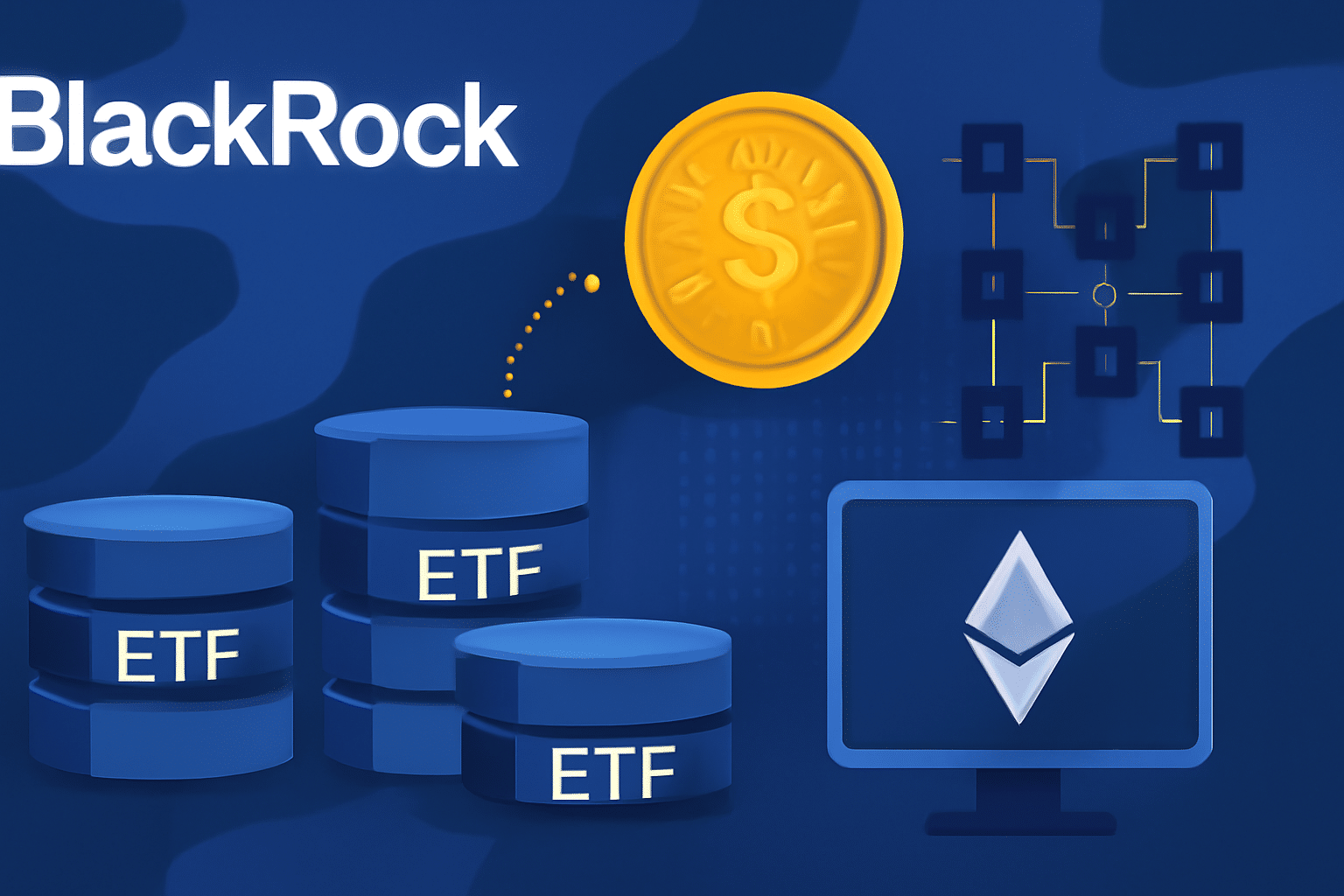
The tokenization of ETFs is the process of turning traditional fund shares into a digital asset using blockchain technology. By doing so, investors were able to trade ETFs outside of normal market hours and across borders, dismantling geographical boundaries. According to Larry Fink, CEO of BlackRock, tokenization will likely revolutionize financial markets by providing fractional ownership, instant settlement, and more-efficient market structures.
Also Read: Tokenization of Real-World Assets (RWAs) – From Real Estate to Fine Art
Tokenized ETFs Poised to Transform Global Markets
The idea of ETF tokenization is starting to take off in the financial industry. In 2025, the tokenized real-world asset market hit an all-time high of $26.5 billion, and still growing. A report by Animoca Brands estimates the market for tokenized real-world assets at $400 trillion. This is quite a big change in the way financial assets are traded around the world. Tokenized ETFs could play a critical role in this transformation by making ETFs more accessible, liquid and globally tradable.
Several asset managers have already forayed into tokenization, including Franklin Templeton’s issue of tokenized share classes of money-market funds. Tokenized ETFs could provide a range of advantages, such as reduced costs, faster transaction times, and greater transparency. By bringing ETFs onto blockchain networks, BlackRock is hoping to gain an edge in this fast-expanding market.
Regulatory Hurdles Persist for Tokenized ETFs
Regulatory obstacles still have to be overcome despite this heightened attention given to ETF tokenization. The conventional ETFs leverage the clearinghouses of Wall Street with varied settlement schedules to blockchain-based assets.
Regulators continue to work out how to approach the integration of blockchain into conventional financial markets in the best way. Although there are examples of receptivity of some towards experimenting with blockchain-based markets, it is yet to be determined when these regulatory concerns can be resolved.
Also Read: Why BlackRock 5% Stake in Strategy Could Reshape Bitcoin Market
Nasdaq has applied to allow tokenized trading in stocks on its platform in the U.S. This may result in increased use of tokenized ETFs by the financial sector. BlackRock, though, has shown that it has the desire to explore and conquer such barriers. The company is headed toward a larger share of the digital asset market in the next few years thanks to its emphasis on ETF tokenization.
This growing interest in digital assets would have led to the venture into tokenized ETFs by BlackRock, which is evidenced by the fact that the net inflow into digital assets has increased to 14.1 billion during the previous period. As of 2025, BlackRock managed 79.6billion dollars in digital assets. The diversification into tokenized ETFs will probably establish it as a market leader in the digital asset industry.
Summary
The attempt by BlackRock to tokenize ETFs is a subset of the overall plan by the global asset manager to access the already booming digital asset market. Through blockchain technology, BlackRock is seeking to offer a more convenient trading experience, fractional ownership, and better liquidity experience with ETFs. Although the future has its challenges, BlackRock has an opportunity to dominate ETF tokens, because the tokenized real-world assets market is expanding.
For more crypto news, visit the platform.
FAQs for ETF tokenization
What is ETF tokenization?
ETF tokenization is the process of converting traditional exchange-traded fund shares into blockchain-based digital assets that can be traded more efficiently and globally.
So how will BlackRock benefit from ETF tokenization?
By tokenizing ETFs, BlackRock will expand its market reach by offering faster transactions, global accessibility, and fractional ownership.
What are the risks of tokenization of ETFs?
ETF tokenization is subject to regulatory hurdles, especially when it comes to reconciling old-style settlement processes with the ability of blockchain to process transactions instantly.
How will ETF tokenization disrupt financial markets?
ETF tokenization has the potential to provide increased liquidity, 24*7 market access, and more efficient trading, revolutionizing traditional financial systems.
What does blockchain have to do with ETF tokenization?
Blockchain offers a decentralized and secure platform for the digital assets, enabling faster, transparent, and cost-effective ETF transactions.
Glossary of Key Terms
ETF Tokenization
The process of converting exchange-traded funds into blockchain-based digital assets for easier trading and global access.
Real-World Assets (RWA)
Tangible financial assets, such as stocks, bonds, or commodities, that are tokenized and traded on blockchain platforms.
Fractional Ownership
Owning a portion of an asset, such as an ETF, allowing more people to invest with smaller amounts of capital.
Blockchain
A decentralized, digital ledger technology that records transactions securely and transparently, often used in tokenized assets.
Instant Settlement
The ability to complete financial transactions immediately, as opposed to traditional settlement times in financial markets.