




This article was first published on The Bit Journal. The U.S. Department of the Treasury on Tuesday intensified its crackdown under North Korea sanctions, targeting a network of bankers, companies, and facilitators accused of laundering illicit proceeds from state-backed hacking and IT-worker schemes.
The Office of Foreign Assets Control (OFAC) of the Treasury declared new designations as part of its North Korea sanctions program, including eight individuals and two entities, one of which is the Korean mangyongdae computer technology company (KMCTC) which allegedly assisted Pyongyang in concealing and transferring cryptocurrency and other illicit sources of revenue used to finance its weapons development.
North Korea Sanctions Target Cybercrime and Ransomware Flows
According to John K. Hurley, Under Secretary of Terrorism and Financial Intelligence, North Korean state-sponsored hackers steal and launder money to finance the nuclear weapons program in the regime.
Some of the approved individuals include North Korean bankers Jang Kuk Chol and Ho Jong Son, who are alleged to be controlling more than $5.3 million in cryptocurrencies associated with ransomware and IT-worker activities via First Credit Bank.
Cryptocurrency wallet addresses associated with the bank were also included on the Treasury in its Specially Designated Nationals (SDN) list as part of continued enforced sanctions against North Korea as it relates to blockchain-based financial activities.
KMCTC Blacklisted for Crypto Laundering
KMCTC and its president, U Yong Su, were also blacklisted as operators of IT groups in China that concealed their identities to find jobs abroad and launder incomes with the help of proxy accounts. Officials said that such networks frequently used shell companies and overseas financial intermediaries, especially in China and Russia, to wash and transmit millions of dollars of digital assets against North Korea sanctions.
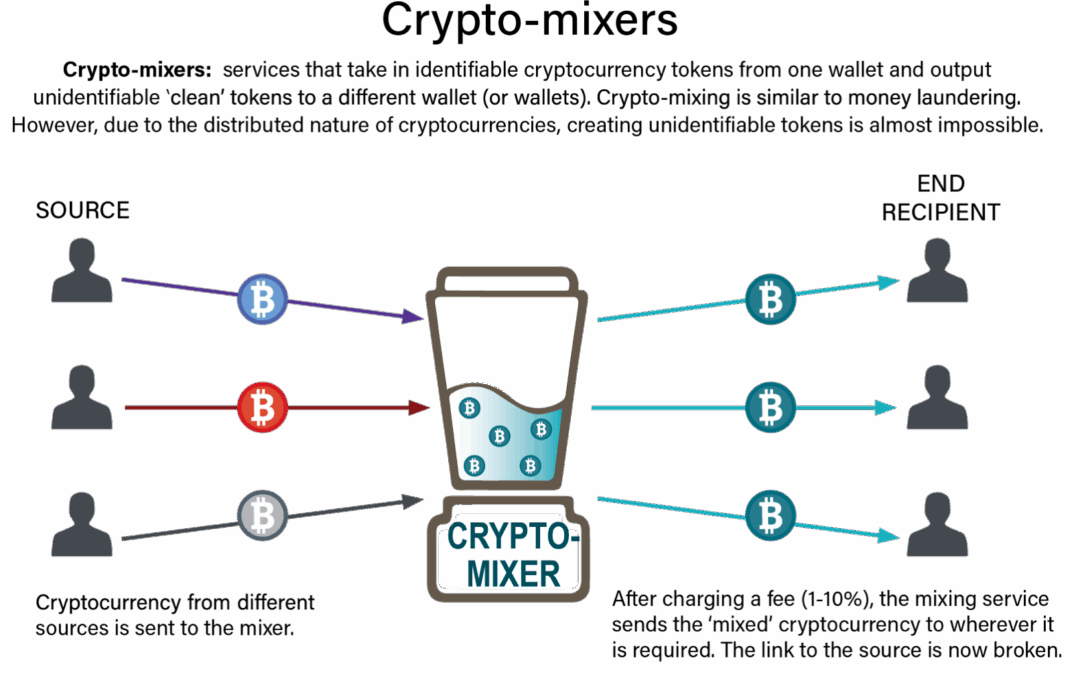
Classical money laundering consists of placement, layering and integration. Following the same sets of objectives, cryptocurrencies add new instruments: instant wallets, chain-hopping, mixers where it is almost impossible to trace the path. The UN Office on Drugs and Crime estimates money-laundering flows to be 2-5 percent of world GDP and a larger portion of this now moves via crypto means which presents a challenge at the core of the U.S. Treasury strategy of North Korea sanctions.
OFAC Extends Cybercrime Sanctions Measures
The warning by blockchain analytics firms goes a long way back: Over the last three years, North Korean-linked hackers, such as the Lazarus Group, have stolen over 3 billion dollars of digital assets, specifically via small exchanges or over-the-counter (OTC) platforms that lack proper compliance regulation.
The recent designations of the OFAC are the continuation of several executive orders implemented to combat cyber-enabled crimes and evasion of sanctions. Naming selected crypto addresses Treasury has indicated that digital wallets themselves can be enforced marking the first move in regulator enforcement of illicit finance in the blockchain age under North Korea sanctions.
DPRK Agents Infiltrate Crypto Companies Abroad
The action follows an increasing international concern about the cyber operations of North Korea and the instability of financial systems caused by state-controlled hackers. Both the U.K. Treasury and EU regulators have cautioned that crypto and stablecoin flows can lead to systemic risks, which are unregulated and, consequently, support the idea of global coordination of North Korea sanctions.
Cryptocurrency exchanges and service providers are starting to tighten their employment and compliance procedures due to allegations that the DPRK agents have been posing as remote IT contractors to gain entry into large companies a strategy that North Korea sanctions regulations are now highly observing. Firms such as Coinbase have already implemented more stringent procedures with regards to employee verification and internal access, following identified targeted methods.
North Korea Sanctions Enforcement Intensifies Globally
The recent hacks such as the Lykke Exchange hack point out how quickly platform vulnerabilities can result in insolvency, regulatory scrutiny and cross-border investigations.
The officials of the treasury stated that it will continue to collaborate with the international community to track and freeze finances connected with the activities of North Korea. Future action will increase blockchain monitoring efforts, scrutiny of bank intermediaries, and coerce exchanges into developing a better Know Your Customer (KYC) and Anti-Money laundering (AML) framework all as part of a more effective North Korea sanctions enforcement regime.
The message that the crypto industry should have received, which the department has send, is to tighten compliance or risk penalties. With OFAC increasingly connecting on-chain identifiers with sanctions implementation, both traditional banks and digital asset companies are feeling increasingly pressured to avoid becoming part of the global cyber-financing network of North Korea.
Conclusion
The Treasury’s latest sanctions underscore Washington’s determination to choke off North Korea’s cyber-financing lifelines. By targeting both digital wallets and financial intermediaries, the U.S. aims to disrupt the regime’s access to illicit crypto revenue. The move also signals intensified global coordination toward stronger compliance, transparency, and cybercrime prevention.
Follow us on Twitter and LinkedIn, and join our Telegram channel to be instantly informed about breaking news!
Summary
- U.S. Treasury sanctioned North Korea-linked crypto laundering network.
- Eight individuals and two entities, including KMCTC, were blacklisted.
- $3 billion in stolen crypto tied to DPRK hackers.
- Sanctions target crypto wallets and shell firms in China, Russia.
- Treasury urges stronger KYC and AML compliance globally.
Glossary of Key Terms
U.S. Treasury: Government body enforcing financial laws and sanctions.
OFAC: U.S. Treasury office managing sanctions programs.
North Korea Sanctions: Restrictions to curb North Korea’s cyber and nuclear activity.
KMCTC: North Korean firm accused of crypto laundering.
DPRK: Official name for North Korea.
Crypto Laundering: Hiding illegal funds through crypto transactions.
Ransomware: Malware demanding crypto payments to unlock data.
Lazarus Group: North Korean hacker group stealing crypto.
OTC Platforms: Private crypto markets with low oversight.
KYC (Know Your Customer): ID verification process for users.
AML (Anti-Money Laundering): Rules preventing financial crime.
Frequently Asked Questions about North Korea Crypto Crackdown
1. Why did the U.S. sanction North Korea’s crypto network?
To block funds from cybercrime used to finance Pyongyang’s weapons programs.
2. Who was targeted in the new sanctions?
Eight individuals and two entities, including KMCTC and its president.
3. How does North Korea launder crypto?
By using mixers, fake IDs, and shell firms to hide stolen funds.
4. What must crypto firms do now?
Tighten KYC, AML checks, and blockchain monitoring to avoid penalties.