




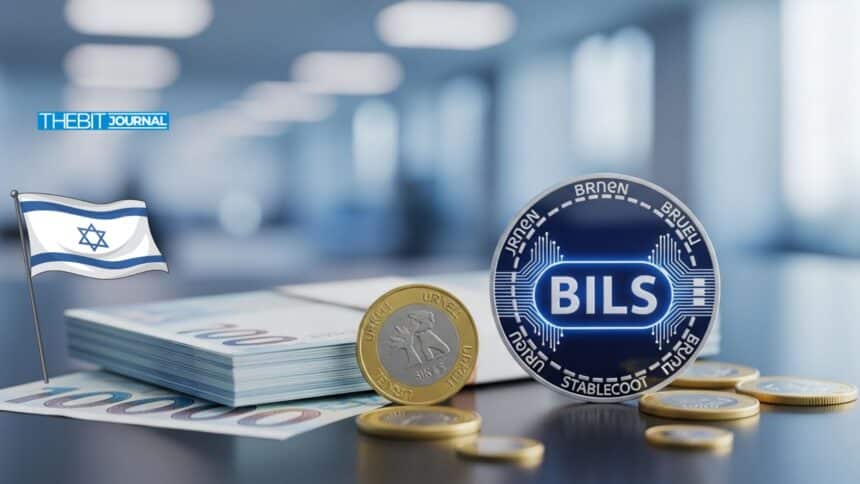

Israel has officially approved its very first shekel stablecoin as the country begins to incorporate blockchain-based finance with existing regulated financial markets in the nation.
The stablecoin, referred to as BILS, has been approved after a regulatory pilot that lasted almost two years and was conducted under the supervision of the Israel Capital Market Insurance and Savings Authority. It has been announced that it will be issued from Bits of Gold, a licensed virtual assets service provider.
Authorities said the rollout will begin in a limited and controlled format within clearly defined parameters, and under tight oversight protocols.
First Regulated Shekel Stablecoin Approved After 2-Year Pilot
The approval of the Israel shekel stablecoin came after a structured two-year sandbox pilot designed to test operational resilience, compliance standards, and risk management.
Bits of Gold had used the supervision period to show that they could issue a stablecoin and manage all aspects including custody risk, cybersecurity, operational continuity and regulatory compliance, in compliance with Board of Supervisor standards.
The decision from the regulator itself shows caution but also a deliberate policy guidance. Instead of going for large-scale deployment, they chose to implement in a phased manner which allows continuous monitoring before wide-scale execution.
This is consistent with Israel’s push for official regulation of crypto. This approval is an effort by the country’s Finance Ministry and Tax Authority to bring digital assets into a regulated financial sector.
1:1 Peg Structure and Domestic Reserve Custody Ensure Stability
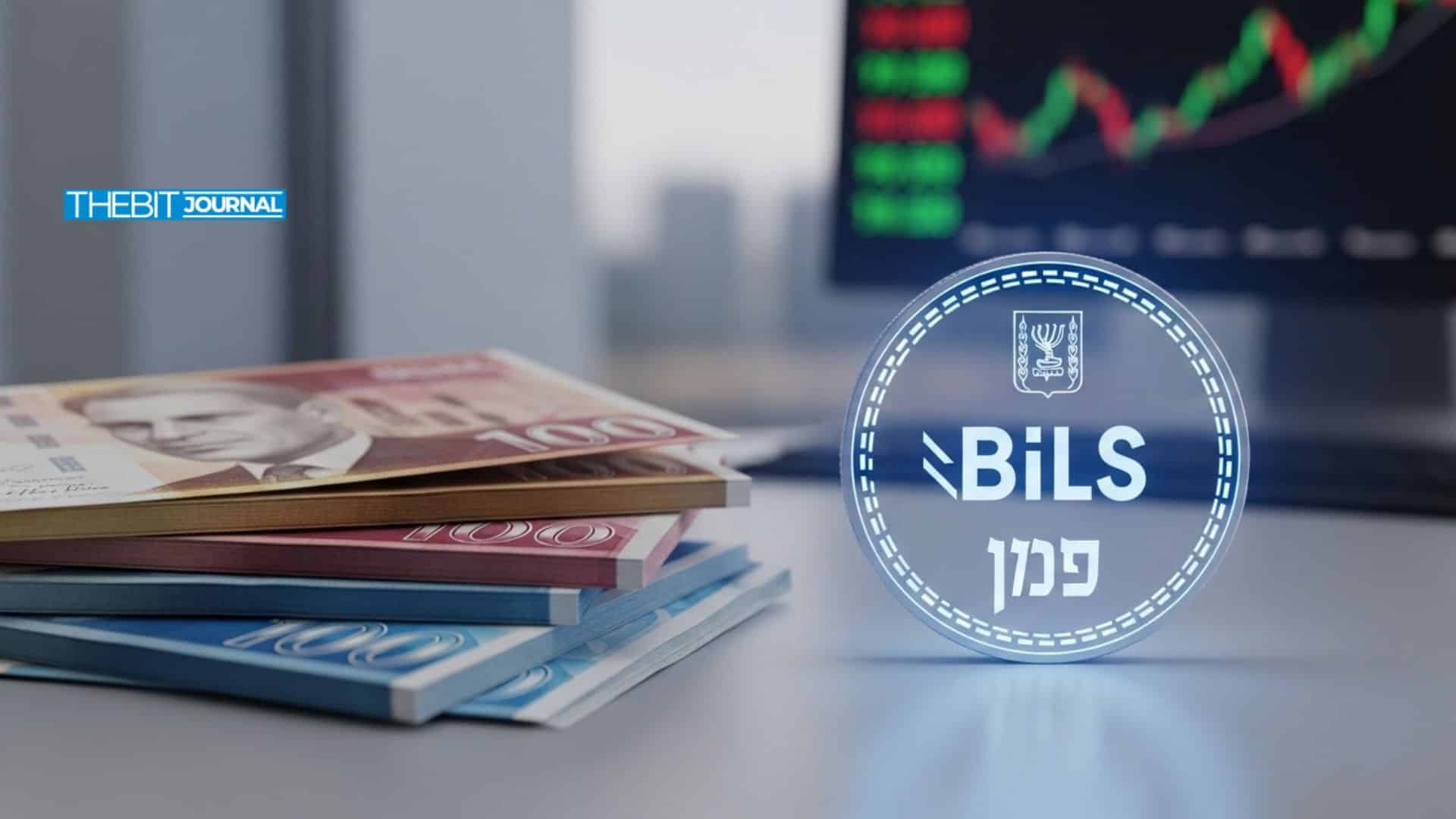
The main characteristic of the Israel shekel stablecoin is its hard 1:1 peg to the Israeli new shekel, which guarantees that each BILS token is backed by fiat reserves.
All of the reserves had to be kept in Israel, under separate accounts. It is designed in such a way that counterparty risk will be minimized by allowing direct oversight while preserving transparency.
This requirement follows the previous guidance from the Bank of Israel, which had outlined that stablecoins need to remain fully backed by reserves in order to ensure user protection and financial stability.
Compared to numerous offshore stablecoins, BILS are constructed around a domestic custody model in which reserves stay within the home monetary system (as opposed to held abroad). This strengthens regulatory control and goes with with Israel’s cautious stance on monetary sovereignty.
Designed on Solana to Enable Programmable Finance and Real-time Payments
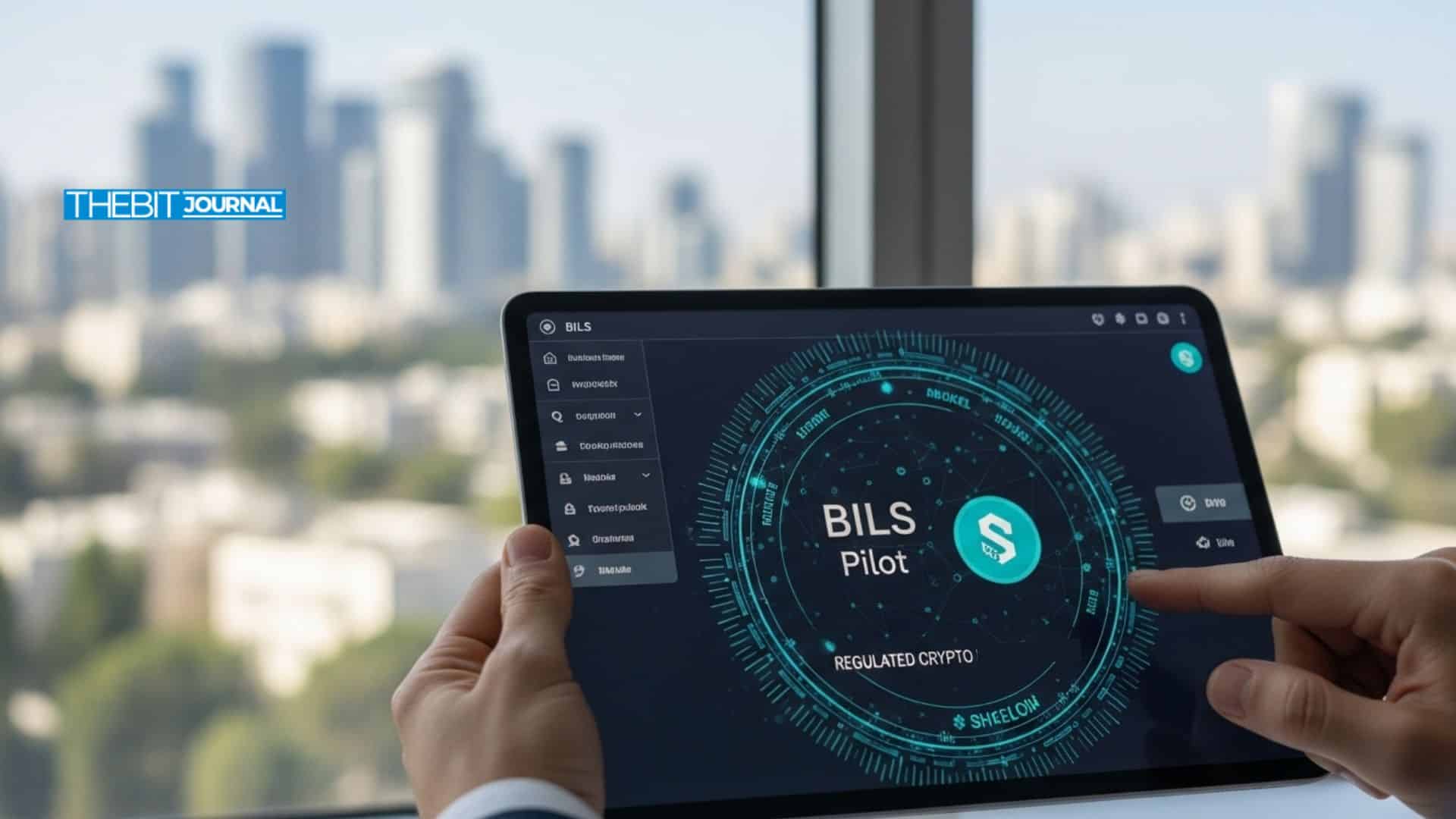
The Israel shekel stablecoin was tested and developed on the Solana blockchain, allowing for high-speed and low-cost transactions.
BILS is expected by Authorities and developers to support Real-time payments; On-chain financial transactions; Smart contract execution and Foreign exchange with global stablecoins.
The aim is to establish a direct channel linking the Israeli shekel and the global digital asset ecosystem. According to Youval Rouach, CEO of Bits of Gold, the project allows “real-time payments, on-chain trading and programmable financial applications” pegged to a regulated local currency.
This is a huge change compared to the traditional banking rails, where cross-border transfers and settlements can take several days. With blockchain integration, settling happens in almost no time while still being regulatory compliant.
Limited Rollout Shows Speculative Caution As Global Stablecoin Growth Increases
Even though this is approved, regulators have still held out that the Israel shekel stablecoin would be released under very strict limitations.
The first phase will be limited in scope and access so authorities can assess the Liquidity behavior; User adoption patterns; Operational risks and System stability.
Israel is taking a different approach compared to other jurisdictions that are either banning stablecoins or letting them expand unchecked. The country is building a system that will permit innovation to flourish without endangering investors’ lives.
Meanwhile, the regulators are also preparing a wider legal basis. A draft Stablecoin Law is expected to be released for public consultation which will formalize issuance rules as well as compliance requirements and oversight structures.
Conclusion
Israel is trying to balance innovation with financial prudence by implementing a strict 1:1 reserve model, domestic custody requirements and a level rollout over time. The introduction of blockchain infrastructure especially through Solana makes it possible to change how payments, settlements and financial services are done in the country.
At a global level, governments are no longer ignoring stablecoins. Instead, they are building frameworks to control and integrate them into existing financial systems.
How far BILS moves beyond its limited rollout will depend on how well it performs under regulatory scrutiny.
Glossary
Stablecoin: A cryptocurrency designed to maintain a fixed value by being pegged to an asset like fiat currency.
1:1 Peg (Backing): Each token is backed 1:1 by an equivalent amount of reserve currency.
Segregated Accounts: Dedicated accounts meant for the safekeeping of reserve funds.
Programmable Finance: Automated financial services via smart contracts
Sandbox Pilot: A controlled testing environment for new financial products.
Frequently Asked Questions About Israel Shekel Stablecoin
What is BILS?
BILS is the first shekel stablecoin approved in Israel and pegged 1:1 to the Israeli shekel.
Who issued the Israel shekel stablecoin?
The token is issued by Bits of Gold, a licensed crypto service provider.
Is the Israel shekel stablecoin rollout public?
No, it is to start off in a limited and regulated manner.
What blockchain does BILS use?
It is developed and tested on the Solana blockchain.
References