






This article was first published on The Bit Journal.
Last updated on 20th October.
Quantum computing, a revolutionary field capable of processing massive amounts of data in seconds, is moving closer to becoming a practical reality, and its rapid evolution has the crypto world watching closely.
Quantum computing was initially the result of a theoretical idea developed in the early 1900s as the result of quantum mechanics, but today it is the foundation of such commonplace technologies as transistors, lasers, MRI machines, and the most recent generation of quantum computers.
Quantum Computing Power Raises Security Concerns
The latest quantum computing chip released by Google, Willow, has become a subject of heated debate all over the world. The chip can help to illustrate how powerful quantum computing technology can be in the near future and why it may represent an existential threat to the cryptographic security of Bitcoin, showing hundreds of thousands of times greater computational speed than the most advanced systems today.
Bitcoin uses Elliptic Curve Digital Signature Algorithm (ECDSA) to protect transactions and wallets. This system, which is practically unbreakable by classical computers, may one day be defeated by the quantum computing-enabled Shor algorithm a technique capable of reverse-engineering private keys when given public ones rapidly.
Michael Saylor, a Bitcoin advocate, is dismissing the idea that current fears are premature because quantum hardware able to execute such attacks is still decades off. Likewise, Adam Back, CEO of Blockstream, believes that the threat in the real world is theoretical at the moment.
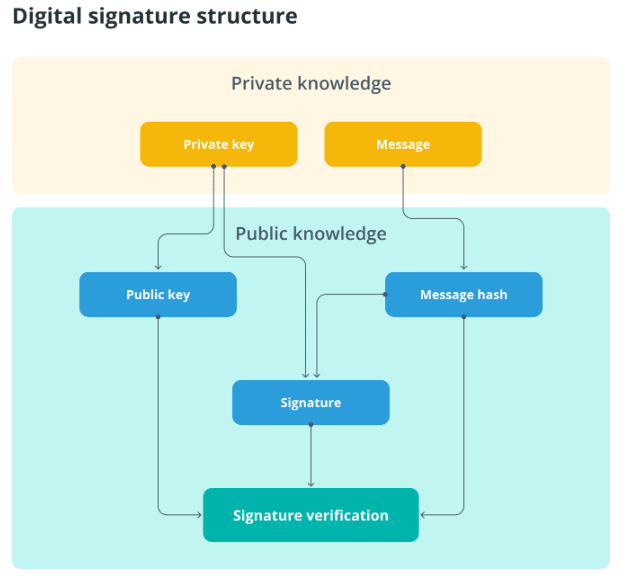
Bitcoin’s Long-Term Security Under Quantum Scrutiny
Nevertheless, researchers caution that with the maturity of quantum computing systems, they may be able to break older Bitcoin wallets where the cryptographic standards are not much improved or where the public key is reused. It is estimated that approximately 25 percent of all Bitcoin containing early pay-to-public-key(P2PK) addresses can be compromised unless they are updated in time.
According to the estimates of analysts, 2.3 million to 3.7 million Bitcoin are lost permanently some 11-18% of the total 21 million supply. In case quantum computing breakthroughs address these coins in the future, the implications can be catastrophic.
Look at the pocket of the unknown designer of Bitcoin, Satoshi Nakamoto, who is estimated to possess approximately one million BTC. Finding a quantum computing solution that realizes these idle coins would have a flood of these coins in the market, interfering with the Bitcoin scarcity model, and raising ethical issues of ownership and redistribution.
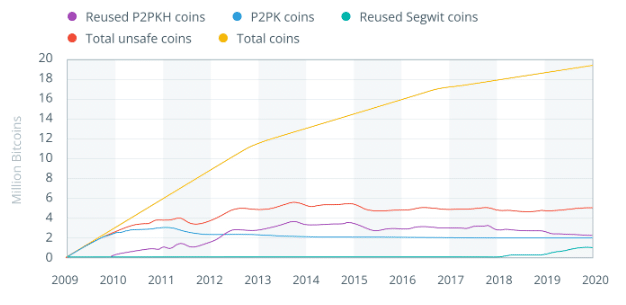
QRAMP Protocol Strengthens Bitcoin’s Future Security
Even such large institutions are paying attention. In May 2025, BlackRock has issued a warning in its iShares Bitcoin Trust (IBIT) filing, which listed quantum computing risks as a major long-term threat to the cryptographic basis of Bitcoin.
Solutions are already under development. Bitcoin programmer Agustin Cruz published the Quantum-Resistant Asset Mapping Protocol (QRAMP) earlier this year a protocol that provides an asset mapping system to make Bitcoin quantum computing-resistant at the cost of no cross-chain compatibility with its fixed supply.
In the meantime, quantum computing-resistant cryptography and advanced wallets like Taproot and SegWit are researched. The innovations will secure the privacy keys, increase the scale, and make Bitcoin resilient during the future age of quantum computers.
Google’s Willow Chip Showcases Quantum Power
Advanced technologies, such as the Willow chip of Google, are now driven by quantum computing which is a development of early quantum mechanics. Its massive speed and processing capacity casts doubts on the cryptographic security of Bitcoin because experts fear that in the future, it may crack the encryption safeguarding digital assets and blockchain systems.
Cybersecurity analyst Jameson Lopp says that quantum risk is not the problem of today, and complacency might become the catastrophe of the tomorrow.
In the meantime, Bitcoin is safe and scalable, and the crypto community is preparing well in advance to a future in which quantum computing and blockchain are bound to come into conflict with each other. The competition is not whether but when quantum computing will challenge the strength of the first decentralized currency in the world.
Conclusion
Based on the latest research, quantum technology continues to advance rapidly, posing both challenges and opportunities for Bitcoin’s future. While quantum computers are not yet capable of breaking current cryptographic defenses, proactive innovation and quantum-resistant upgrades are crucial to ensuring Bitcoin’s long-term security and network resilience.
Follow us on Twitter and LinkedIn, and join our Telegram channel to be instantly informed about breaking news!
Summary
Quantum technology, evolving from early quantum mechanics, can process vast data and solve complex problems in seconds. The Willow chip by Google emphasizes this power but causes concerns about the security of Bitcoin. Bitcoin might lose its cryptography to quantum computing, which may lose its value and destabilize markets. Analysts such as Michael Saylor consider the threats to be far-off and developers are developing quantum-resistant systems such as QRAMP to ensure the future security of Bitcoin.
Glossary of Key Terms
Quantum Computing: Uses quantum physics for ultra-fast processing.
Quantum Mechanics: Science behind quantum computers.
Willow Chip: Google’s new quantum processor.
Bitcoin (BTC): Decentralized digital currency.
ECDSA: Bitcoin’s cryptographic security system.
P2PK: Early Bitcoin address type, less secure.
Satoshi Nakamoto: Anonymous Bitcoin creator.
BlackRock IBIT: Bitcoin fund noting quantum risks.
QRAMP: Quantum-resistant Bitcoin protocol.
Quantum-Resistant Cryptography: Protects from quantum attacks.
Jameson Lopp: Analyst warning of quantum risk.
Cryptographic Security: Encryption safeguarding Bitcoin.
Frequently Asked Questions Quantum Threat to Bitcoin
1. How can quantum computing affect Bitcoin?
It could break Bitcoin’s encryption and expose private keys.
2. Is Bitcoin safe from quantum threats now?
Yes, current quantum tech isn’t strong enough yet.
3. What is the QRAMP protocol?
A system to make Bitcoin quantum-resistant.
4. Why is Google’s Willow chip significant?
It shows how powerful future quantum computers could become.