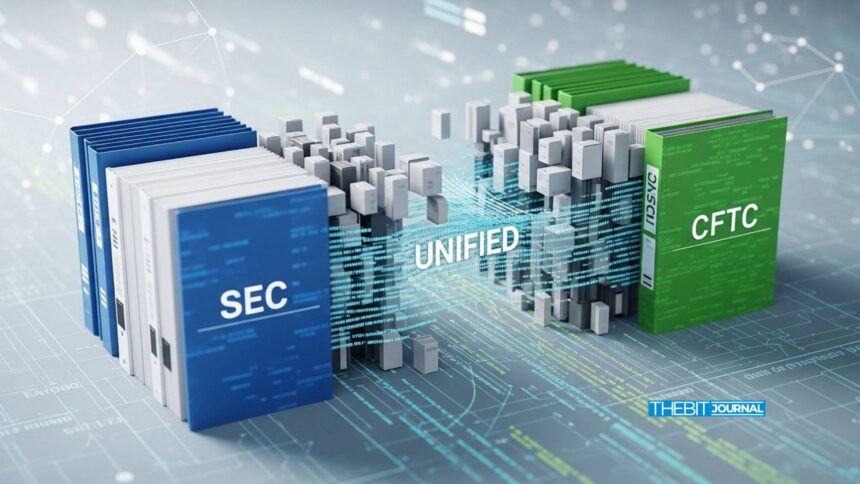

A new dawn has come into crypto regulation with the two most powerful U.S. financial authorities having entered into a formal agreement to coordinate their oversight of digital assets and emerging financial technologies.
The SEC and CFTC announced the agreement in a memorandum of understanding recently signed by both agencies, which aims to harmonize how the two approach digital assets, trading platforms, derivatives and other financial innovations.
Overlapping supervision and uncertainty over whether various tokens should be treated as securities or commodities have long vexed the crypto industry. The new initiative that’s driving the SEC and CFTC aims to alleviate that uncertainty by pushing the agencies more closely into alignment on rule-making, enforcement, and regulatory interpretation.
Regulators Seek to Resolve Years of Jurisdictional Dispute
The new agreement is one of the most direct efforts yet to resolve a longstanding jurisdictional tension between the SEC and CFTC.
Digital assets have languished in a regulatory gray area for more than a decade. Some tokens have been considered securities and thus are within the SEC’s jurisdiction while others are seen as commodities, putting them under the CFTC’s oversight. The absence of clear lines has often led crypto companies to juggle both agencies at once.
Reports issued by both regulators indicate a unified effort to coordinate the interpretation and supervision of financial products that cross their jurisdictions via the new framework for SEC and CFTC crypto regulation.
The new agreement is about how the agencies will work with each other and the financial industry; said Paul S. Atkins, chairman of the Securities and Exchange Commission.
He explained that regulatory conflicts between the SEC and CFTC have stifled innovation for decades; and driven market participants to other jurisdictions.
Atkins said that coordinating definitions and sharing oversight responsibilities would provide the clarity financial firms have long sought.
It also consist of ways for both regulators to coordinate supervision, share data, and communicate with each other when overseeing digital asset companies and trading platforms.

The Memorandum of Understanding and Its Core Objectives
The memorandum of understanding lays the groundwork for cooperation between the two agencies. It also lists where there will be greater coordination. These features include joint interpretations of financial products, collaborative rule-making efforts and cooperation on enforcement actions involving markets that are squarely within both regulators’ jurisdiction.
The official announcement noted; regulators will also collaborate to modernize oversight for elements like clearing, collateral, margin prerequisites and regulatory reporting requirements for trading venues and intermediaries, .
Another focus is to clarify product definitions across markets. The way digital assets have long complicated classification, especially when a token could qualify both as a tradeable commodity and as an investment contract.
To do that, the agencies intend to publish joint interpretations and regulatory guidance explaining how various types of crypto assets should be viewed under U. S. law.
The memorandum also establishes a Joint Harmonization Initiative, which will coordinate policy development among the agencies.
Robert Teply, an advisor to the SEC’s crypto task force, and Meghan Tente, acting general counsel at the CFTC will lead that effort.
What the New Framework Means for Crypto Industry
Crypto exchanges and derivatives platforms, token issuers and financial institutions have often been left unclear about which regulator they are supposed to answer. In some instances, firms had to register with both agencies or work through conflicting regulatory expectations.
The new framework aims to reduce that friction by establishing a system in which the agencies will talk regularly to coordinate oversight of companies operating in multiple regulatory categories.
Michael S. Selig, CFTC chairman, said the agreement aims to allow U.S. financial markets to adapt to new technology.
He stated:
“This Memorandum of Understanding solidifies the agencies’ commitment to harmonize regulatory frameworks to provide comprehensive and seamless financial market oversight.”
Others in the crypto and markets community have noted that clearer SEC and CFTC rules on crypto would allow more financial institutions to venture into digital asset products. Banking, asset management and trading companies have so far been reluctant to enter the sector while regulatory limits remain ambiguous.
Crypto Rules Could Still Be Shaped by Congressional Debate
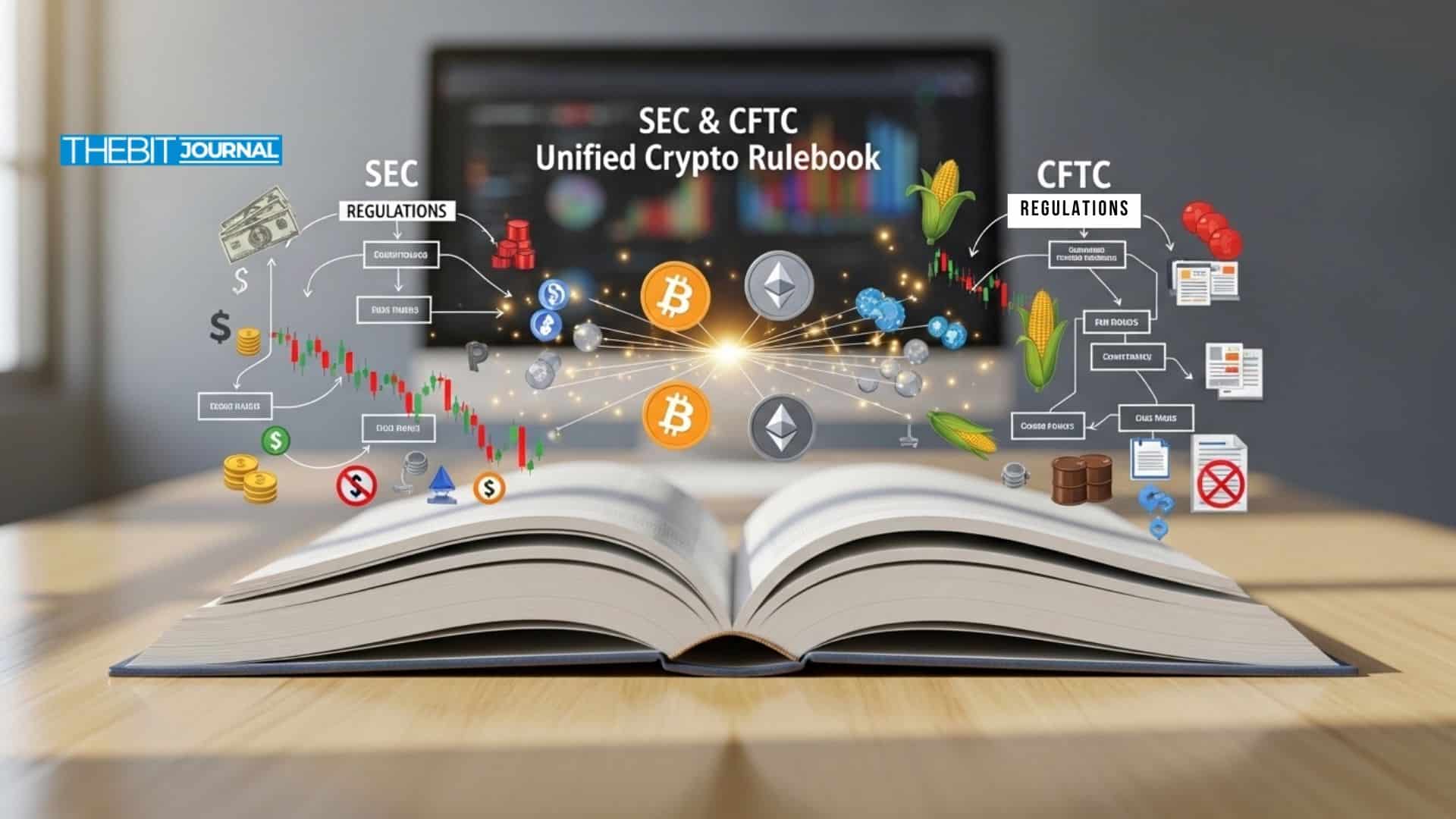
While regulators are pushing ahead with coordination, the future of SEC and CFTC crypto regulation will continue to depend on legislation moving through Congress.
Lawmakers have been working on as a market structure bill to define how digital assets should be regulated in the United States. The bill would also clarify when tokens qualify as securities under the law; when they should be considered commodities and how trading platforms must register.
But the legislative process has increasingly stalled as lawmakers turn to other policy priorities.
Senate Majority Leader John Thune; recently suggested that the crypto market structure bill may not move through the Senate until at least April; stating the challenges of passing complex financial legislation during an already crowded legislative calendar.
The Senate is also dealing with competing priorities; which include federal funding negotiations and discussion of the Safeguard American Voter Eligibility Act (SAVE Act) that President Donald Trump; has stated should be taken care of before other legislation.
That seems to be why regulators are opting for interim measures via the new coordination agreement while legislation goes through.
Conclusion
Following years of jurisdiction overlap and regulatory tussles; the SEC and CFTC are now gearing toward collaborative oversight over digital asset markets.
Through their memorandum of understanding, the two agencies intend to exchange information; coordinate rule-making and create joint interpretations for financial products that are covered by both regulators.
For the crypto industry; the deal is a possible move toward more clarity about how digital assets are defined and regulated in America.
While Congress continues to debate legislation; the coordinated action between the SEC and CFTC means regulators are moving ahead with their own plan to shape the next phase of crypto oversight.
Glossary
SEC (Securities and Exchange Commission): The United States financial regulator in charge of guarding securities markets; and protecting investors.
CFTC (Commodity Futures Trading Commission): A United States regulatory agency that regulates futures,;derivatives and commodities markets.
Memorandum of Understanding (MOU): An agreement between institutions; on how they intend to cooperate or coordinate activities.
Digital Assets: Cryptocurrencies, blockchain-based tokens for payments; investments or decentralized applications.
Regulatory Harmonization: Aligning rules and oversight across regulatory bodies.
Frequently Asked Questions About SEC and CFTC
Why has the SEC and CFTC entered into this arrangement?
The regulators want to align oversight of financial products shared by both agencies, particularly digital assets and emerging technologies.
What does the memo of understanding change?
It lays out a framework for joint rulemaking, shared data, coordinated enforcement and greater clarity in what financial products are.
Does the deal eliminate new crypto laws from Congress?
No. Congress is still debating laws that might create a wider regulatory framework for digital assets.
Who will spearhead the new harmonization effort?
Robert Teply from the SEC and Meghan Tente from the CFTC will lead the initiative.
References
SEC Press Release
CFTC Press Release
Barron’s