





The SEC Crypto Task Force is preparing to put crypto privacy on the record in a way the industry cannot ignore. On 15 December 2025, the SEC Crypto Task Force will host a public Crypto Task Force Roundtable on Financial Surveillance and Privacy at its headquarters in Washington, D.C., from 1:00 p.m. to 5:00 p.m. Eastern Time, with a live webcast for remote viewers.
The session is set up as a policy discussion, but the tone and questions that surface will guide how regulators, exchanges and wallet providers handle privacy in the years ahead.
The task force was created to clarify how federal securities law applies to crypto assets and to recommend practical rules that both protect investors and leave room for innovation. The SEC Crypto Task Force is turning directly to one of the most sensitive pressure points in digital finance, the trade off between constant monitoring of wallet activity and the basic expectation that personal finances should not be exposed to the world.
The roundtable arrives after a period of tougher scrutiny on privacy wallets, mixing tools, and zero-knowledge projects, and it reflects rising concern inside government about how these technologies are used in practice.
What is the Crypto Task Force Roundtable
The Crypto Task Force Roundtable is a structured public meeting, run by the SEC Crypto Task Force, that brings regulators, technologists, lawyers and market participants into the same room. Instead of closed-door briefings, the format uses moderated panels and open conversation to explore how financial surveillance, anti-money laundering rules, and privacy-preserving technology intersect.
According to the notice, it is open to in person attendees who register in advance, with a webcast for the wider public, and formal seating and security procedures similar to other Commission events.
The goal is not to vote on new rules on the spot. The event gives the SEC Crypto Task Force a public record of expert views, real world case studies and technical insights that can shape future guidance, enforcement work and potential rule proposals.
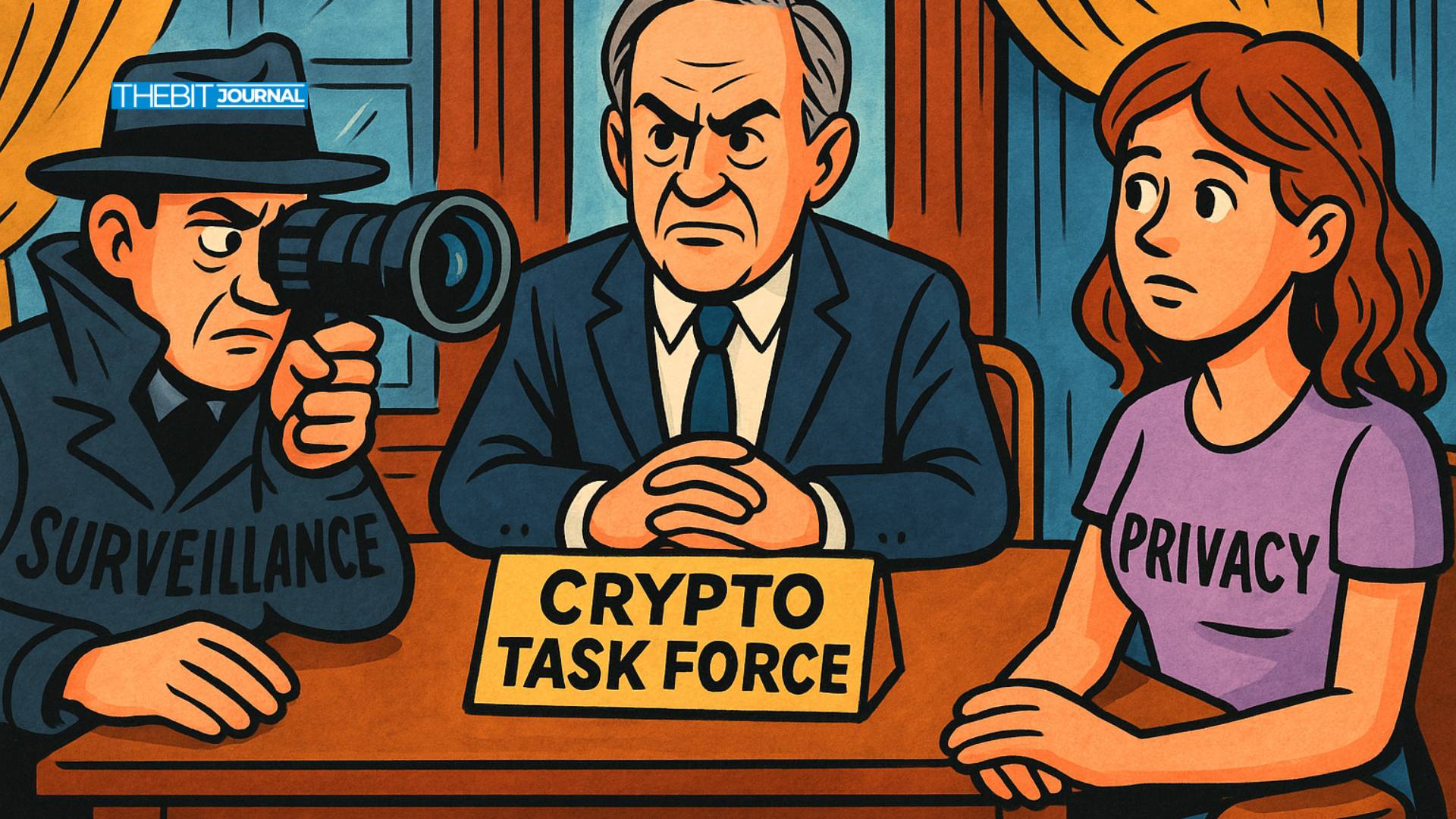
Privacy, surveillance and the new crypto rulebook
The timing of the privacy roundtable shows how quickly the conversation has shifted. For years, open blockchains were described as transparent ledgers that already made it easier to trace flows than in traditional cash systems. Now, as advanced analytics, stablecoin growth and cross chain bridges spread, regulators fear that criminals can hide inside the noise, while everyday users worry that every payment leaves a permanent public trail.
In that environment, the SEC Crypto Task Force wants to examine where analytics, reporting rules and cross border data sharing truly reduce risk, and where overreach could chill ordinary use of self hosted wallets and privacy tools. The discussion is expected to touch on privacy-preserving technologies such as mixers, zero-knowledge systems, and selective disclosure, and on how far platforms should go in blocking, flagging, or de-risking them.
What will be on the table on 15 December
According to the official notice, the event at SEC headquarters will be open to in person attendees who register in advance and to a global audience through the webcast on the regulator’s site. Panelists are expected to include builders of privacy-preserving infrastructure, firms that specialize in blockchain analytics, and policy experts who work on financial crime compliance.
The SEC Crypto Task Force has signaled interest in issues such as how far intermediaries should go in monitoring withdrawals to self-custody, how to treat protocols that never take user control, and what level of transparency investors reasonably need when a project or token relies heavily on privacy technology. These questions sit at the center of ongoing debates about whether some privacy tools are neutral infrastructure or unregistered intermediaries that help move potentially illicit funds.
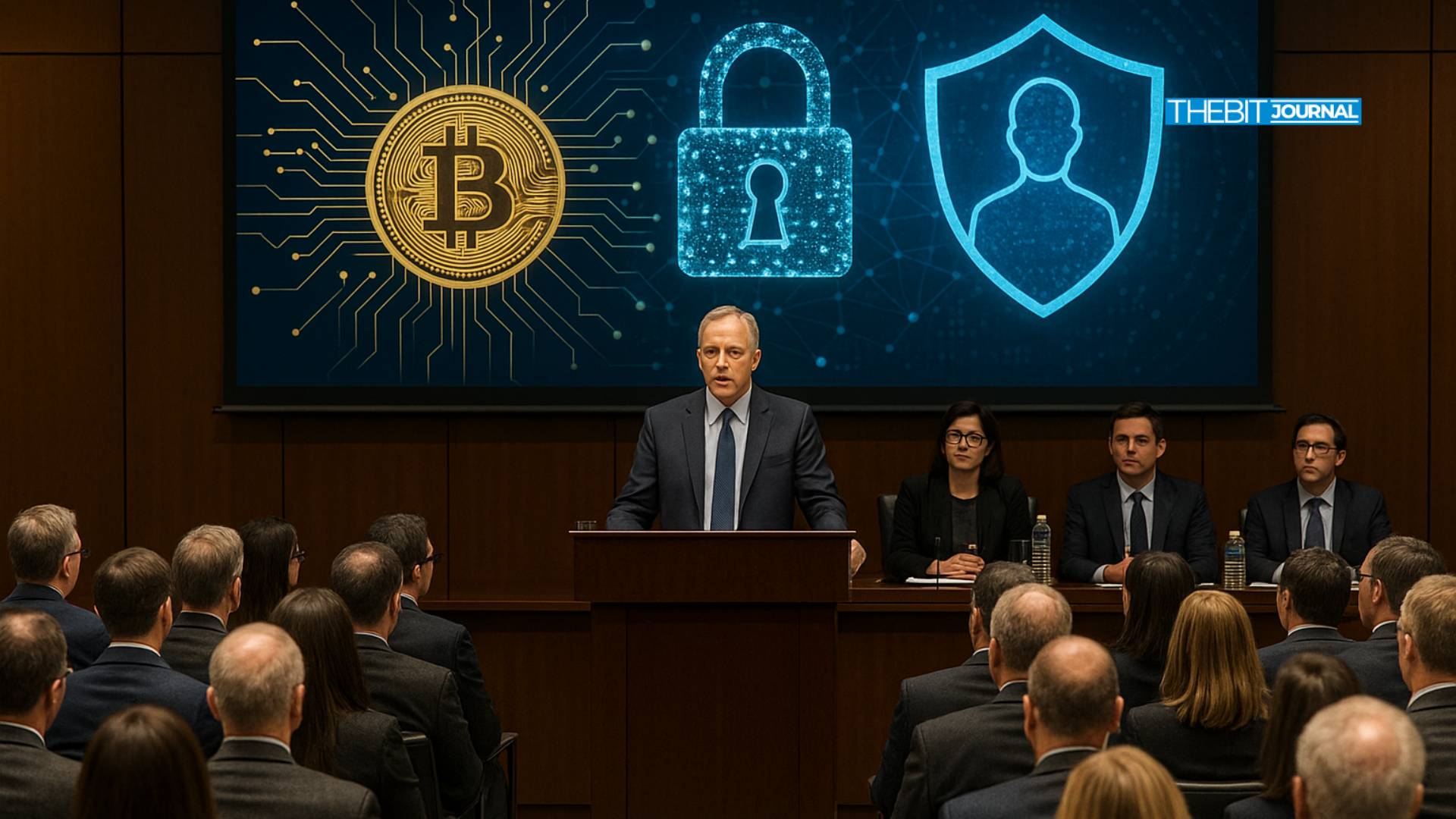
Why the market should care
For exchanges, brokers and custodians, the discussions inside the auditorium will influence how supervisors judge surveillance programs and suspicious activity reporting in the coming years. If the SEC Crypto Task Force leans toward very strict interpretations, risk teams may respond by limiting support for privacy focused assets or tightening controls on deposits and withdrawals from self hosted wallets.
If the SEC Crypto Task Force instead embraces a balanced view that respects privacy as a part of healthy market structure, the outcome could accelerate investment into compliant privacy tools, from selective disclosure systems to user controlled identity solutions that allow proof without full exposure. In both cases, the signals that emerge from the Crypto Task Force Roundtable will shape how institutions think about listing, custody, analytics partnerships, and cross-border flows.
Implications for digital assets and market indicators
The debate around surveillance and privacy is ultimately a debate about what a healthy crypto market should look like. Stronger oversight of high risk flows may reduce some types of fraud and wash trading, which can improve market depth, price discovery and investor confidence over time. Clearer expectations from the task force can also influence key indicators that traders watch every day, from exchange reserves and stablecoin movements to derivatives open interest linked to privacy sensitive assets.
At the same time, an overly aggressive approach could push liquidity into less transparent venues and jurisdictions. That would make it harder for regulators and investors alike to see real risk concentrations, even as headline rules appear tougher on paper. The balance that the SEC Crypto Task Force strikes after this round of consultations will therefore matter not only for legal compliance, but for overall market structure and resilience.
Conclusion
The privacy roundtable shows that the SEC Crypto Task Force understands that the next stage of crypto policy is not only about deciding which tokens count as securities. It is also about how much data regulators, platforms and analytics firms should collect, store and share about people who use digital assets in everyday life.
By convening a public discussion through the Crypto Task Force Roundtable, the SEC Crypto Task Force is inviting the industry into the debate, while also setting the terms of that debate. Traders, builders and investors will watch closely on 15 December for clues about how the long running argument between transparency and privacy may begin to settle into a clearer and more predictable rulebook.
Frequently Asked Questions
What is the purpose of the privacy roundtable?
The purpose is to gather expert input on how to balance financial surveillance duties with reasonable privacy protections in the crypto market.
Who can attend the event?
Anyone can follow the webcast online, and members of the public may attend in person if they complete the required registration process.
Will the roundtable create new rules immediately?
No. The discussion will inform how the task force approaches later guidance, rule proposals and enforcement priorities, rather than issue instant regulations.
How could this affect everyday crypto users?
Outcomes from the roundtable may shape how exchanges treat privacy tools, how wallets are supervised and how much monitoring occurs on mainstream platforms that handle digital assets.
Glossary of key terms
Crypto Task Force
A specialist group within the securities regulator that focuses on how existing securities laws apply to crypto assets and market infrastructure.
Financial surveillance
The monitoring and analysis of financial transactions to detect fraud, money laundering, sanctions evasion and other forms of illegal activity.
Privacy preserving technology
Tools, such as mixers, zero knowledge systems or selective disclosure protocols, that reduce the amount of personal or transactional data exposed to observers.
Roundtable
A structured public meeting format that brings multiple stakeholders together to discuss a policy problem without issuing formal decisions on the spot.
References