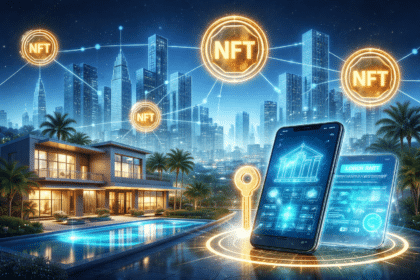








NFTs became popular in the last few years when people started buying and selling digital art, music files, and even memes. These first NFTs were known for being collectibles. They gave digital ownership of an image or a video clip, but did not do much beyond that. Many people loved the hype, while others said these tokens had no real use.
Now a new phase is starting. It is called NFT 2.0. These are non-fungible tokens that are not just about showing ownership but also about giving some real use or benefit. Instead of just holding a picture, a person can hold an NFT that gives access to a concert, unlocks features in a game, or even works like a membership pass. This idea is what makes NFT 2.0 stand out from the older version.
In 2025, many experts believe that NFT 2.0 is the future of digital assets. It moves the focus away from only hype and speculation and puts it on utility. That word utility means usefulness, and in this case, it means NFTs that can be used in daily life, not just collected.
What Does Utility Mean in NFTs?
Utility in NFTs means that the token is not just for show. It gives the owner a clear benefit or function. The benefit could be digital or even physical. For example, an NFT ticket can let someone enter an event. A brand might give discounts to holders of a utility NFT. A gamer might unlock special levels or weapons inside a game by owning an NFT.
Utility makes NFTs more practical. In the past, people asked why spend so much on a digital picture. With NFT 2.0, the answer is that the picture, or token, is more than art. It can connect to a smart contract that provides services, access, or rewards.
Here is a simple table that shows some examples of utility-based NFTs:
| Type of Utility | Example | Benefit |
| Event Access | NFT ticket for a concert | Entry without physical ticket |
| Membership | NFT for a private club | Access to members-only content |
| Gaming | NFT weapon or character | Better gameplay, extra features |
| Rewards | NFT loyalty card | Discounts or special offers |
| Real Estate | NFT proof of property | Easy transfer and record keeping |
Utility-based NFTs show that these tokens can touch many parts of life. They are not only digital art anymore but tools that can connect digital and physical worlds.
The Evolution: From Collectibles to Utility
The first wave of NFTs, sometimes called NFT 1.0, was all about digital collectibles. People bought them for status, for fun, or because they hoped the price would go up. These were mostly images, music, or small video clips. For a time it created a boom, but it also showed problems. Prices went very high and then fell fast, scams were common, and many projects had no long-term value.
This made the market unstable. Many people lost trust because they felt NFTs were only about speculation. Critics said the tokens had no real use and were like digital trading cards with no purpose.
NFT 2.0 is designed to solve these problems. Instead of focusing only on owning a collectible, it adds functions. For example, a person who buys a music NFT can also get lifetime access to the artist’s shows. A property NFT can give legal proof of ownership in seconds. A gaming NFT can give skills that no one else has.
This move from simple collectibles to real-world utility is why NFT 2.0 is seen as a more stable and serious part of Web3. It connects the hype of digital art with the usefulness of real products, services, and communities.
Real-Life Uses of NFT 2.0
NFT 2.0 is powerful because it is not only about showing off a picture. It is about what the token can do in real life. The uses are spreading across many industries. Some of the most active areas are gaming, membership and access, real estate, and supply chain for business.
Gaming and Virtual Worlds
Gaming is one of the first big areas where NFT 2.0 shines. In play-to-earn games, NFTs can act as characters, weapons, or even land in the game. These tokens can be traded with other players, which gives them real value.
Instead of paying for a temporary item, players own the NFT and can use it across platforms. For example, a sword in one game might later be used in another. This is possible because the asset is on blockchain, not locked inside one company’s system.
This idea is also growing in virtual worlds or metaverse platforms. Land or property in these worlds can be NFTs. Owners can rent it, sell it, or build businesses on it. This creates a whole new type of digital economy.
Membership and Access
NFTs are now used like digital keys. A person can hold an NFT that gives entry to an online club or even a real-world event. These NFTs act like passes. Instead of paying monthly fees in cash, people can keep an NFT as proof of membership.
Artists, influencers, and brands are using this for fan clubs. Fans who own the NFT can get exclusive videos, early product drops, or even meet-and-greet invites. It makes the connection between creators and community stronger.
The good part is that the membership can also be sold later. If the club grows popular, the NFT might become more valuable, and members can sell it to new people.
Real Estate and Property Rights
One of the most interesting uses is in real estate. With NFT 2.0, a piece of land or house can be tokenized. This means it can be represented by a digital token on a blockchain.
This makes buying and selling faster. No need for long paperwork, because the NFT itself is proof of ownership. It can also help in rentals. A tenant might use an NFT rental contract that is secure and easy to track.
This system can reduce fraud and make property rights clear. Governments and legal systems are still testing it, but the potential is very high.
Business and Supply Chain
NFTs also help businesses, especially with supply chain tracking. A luxury brand can attach NFTs to its products. When someone buys a bag or a watch, the NFT works as proof that it is real. This can fight fake goods.
In shipping and supply chains, NFTs can track goods as they move. Every step can be recorded on the blockchain. It creates trust between the seller and the buyer because both can see the journey of the product.
Here is a table to show these main uses:
| Industry | NFT 2.0 Use | Example |
| Gaming | Characters, land, weapons | Play-to-earn items |
| Membership | Exclusive access | Fan clubs, events |
| Real Estate | Tokenized property | House ownership proof |
| Business | Supply chain tracking | Luxury goods authenticity |
Benefits of NFT 2.0 for Businesses and Users
The biggest benefit of NFT 2.0 is that it creates real value. It is not only about speculation or hype. There are clear advantages for both businesses and users.
For businesses, NFTs can create new income models. A company can sell memberships, digital products, or even loyalty programs through NFTs. This can lower costs because everything is managed by smart contracts, not middlemen.
For users, NFT 2.0 offers more security. The blockchain record cannot be changed, so ownership is clear. It also gives flexibility. A person can resell a membership NFT or trade a game item freely.
NFTs also create stronger communities. Owners feel like part of a group, not just customers. This helps brands and creators build long-term relationships.
Here is a benefits vs challenges table to keep it clear:
| Benefits for Users | Benefits for Businesses |
| Ownership and security | New income streams |
| Flexibility to resell | Lower costs with smart contracts |
| Access to services | Stronger communities |
| More trust | Proof of authenticity |
Challenges and Risks of Utility-Based NFTs
Even though NFT 2.0 looks strong, it is not perfect. There are still risks and challenges that need to be solved.
One big problem is scalability. Many blockchains cannot handle millions of NFT transactions at once. This makes fees go up and slows down the system.
Another issue is regulation. Governments are still learning how to treat NFTs. Some countries might create strict rules. This can limit projects or make them more costly.
Security is another risk. Hackers can still steal NFTs if owners do not protect their wallets. Scams are common, and many people fall into fake NFT offers.
Adoption is also slow. Not everyone understands how NFTs work. It can be hard to explain to someone who is new to crypto. If this gap continues, mass use will be difficult.
NFT 2.0 in the Crypto Market
NFT 2.0 is also changing the crypto market. In the early days, NFTs were mostly about hype and quick trading. Now the market is starting to look at utility projects as more stable and long-term.
Investors are looking at NFTs that are linked to gaming, property, or membership programs because they believe these tokens will last longer. This brings more trust into the NFT space.
Market data also shows growth. Even though the big hype of 2021 and 2022 went down, the market size of NFTs is still large. Reports in 2025 show billions of dollars in trade volume, with utility NFTs taking a bigger share.
Here is a simple table that compares NFT 1.0 and NFT 2.0:
| Feature | NFT 1.0 | NFT 2.0 |
| Focus | Collectibles | Utility and function |
| Value | Speculation | Real-world use |
| Risk | High volatility | More stability |
| Example | Digital art | Event ticket, property token |
Case Studies of NFT 2.0 Projects
Looking at real projects helps to understand how NFT 2.0 is already working in different areas. These are not just ideas; they are being used in real markets.
Gaming Project Example
Axie Infinity was one of the first big NFT gaming projects, but it mostly worked like NFT 1.0 because it was about owning characters. Newer games like Illuvium and Big Time are showing NFT 2.0. They allow players to own characters, tools, or skins, but also use these assets in larger virtual worlds. The NFTs can be traded outside the game, and they hold value even when the game updates. This creates a digital economy that is closer to real life.
Fashion and Brand Example
Many fashion brands are using NFTs to fight counterfeits and create membership communities. For example, Nike has tested NFT sneakers that connect with physical shoes. Owners can verify the shoe’s authenticity using blockchain. Brands also use NFTs as tickets for exclusive events. This combines fashion with digital ownership and creates new loyalty programs.
Real Estate Example
Some property projects are using NFTs as legal proof of ownership. A few startups are testing NFT-based land titles in countries where paperwork is slow. With NFTs, sales can be completed in minutes instead of weeks. A house token can also be divided into smaller NFTs, letting people invest in fractions of real estate.
Here is a table that sums up these case studies:
| Industry | Project Use | Benefit |
| Gaming | Characters, land, tools | Ownership across platforms |
| Fashion | NFT sneakers and events | Authenticity and loyalty |
| Real Estate | Tokenized land or houses | Faster sales and shared ownership |
How NFT 2.0 Impacts the Future of Web3
NFT 2.0 is not only about gaming or art. It is shaping the entire Web3 ecosystem. Web3 is about ownership and control of digital identity, and NFTs are a key part of that.
In DeFi, utility NFTs can work like collateral for loans. A person can lock their NFT membership or property token to borrow crypto. This connects NFTs with finance.
In DAOs (Decentralized Autonomous Organizations), NFTs can be used as voting tools. Instead of using standard tokens, members might vote with NFTs that show their level of membership or role. This creates a fairer system where votes are linked to contribution, not just money.
In the metaverse, NFTs are already being used for land, avatars, and business tools. NFT 2.0 adds real-world connections, so a digital event might also give real tickets through NFTs. It bridges online and offline in one system.
Here is a small table to show Web3 impact:
| Web3 Area | Role of NFT 2.0 |
| DeFi | Collateral for loans |
| DAOs | Voting rights and membership |
| Metaverse | Land, avatars, event tickets |
| Digital Identity | Proof of ownership and access |
Conclusion
NFT 2.0 is the next big step for digital assets. It fixes the problems of early NFTs by adding real use and value. Instead of being just a picture or song, NFTs now work like tickets, keys, proof of ownership, or business tools.
The move from collectibles to utility makes NFTs stronger and more stable. It is not only about hype anymore, but about usefulness. Industries like gaming, real estate, fashion, and supply chains are already proving that NFTs can work in the real world.
As Web3 grows, NFT 2.0 will be at the center of digital identity, finance, and online communities. There are still challenges like regulation and adoption, but the direction is clear. Utility-based NFTs are shaping the future of blockchain.
Frequently Asked Questions
What is NFT 2.0?
NFT 2.0 means the new version of NFTs that have real use. These tokens are not just collectibles but also give benefits like access, rewards, or proof of ownership.
How are utility NFTs different from collectible NFTs?
Collectible NFTs (NFT 1.0) are mainly about owning digital art or files. Utility NFTs (NFT 2.0) give actual services or functions like tickets, game items, or memberships.
Are utility NFTs a good investment?
Utility NFTs can be safer than pure collectibles because they have real uses. But like all crypto, they also carry risk.
What industries use NFT 2.0?
Gaming, real estate, fashion, supply chain, and entertainment are some of the top industries using utility NFTs.
Glossary
NFT (Non-Fungible Token): A digital token that proves ownership of something unique on the blockchain.
Utility: The use or function of a product. In NFTs, it means the benefits the token provides.
Blockchain: A digital system that records transactions in a secure and transparent way.
Smart Contract: A piece of code on blockchain that runs automatically when conditions are met.
DAO (Decentralized Autonomous Organization): A group that is managed by smart contracts and members’ votes instead of one leader.
DeFi (Decentralized Finance): Financial services built on blockchain without banks or middlemen.
Summary
NFT 2.0 is the new stage of non-fungible tokens. The first NFTs were mostly collectibles like digital art or music files. They became popular but had many problems, like hype, speculation, and lack of real use. NFT 2.0 changes this by adding utility. That means the tokens now have a function, not just ownership.
Utility NFTs can work as tickets, membership passes, game items, real estate proofs, or even tools for supply chains. They help both users and businesses. Users get secure ownership, flexibility, and access to services. Businesses get new income models, stronger communities, and better tracking systems.
The market is shifting from NFT 1.0 to NFT 2.0, and more industries are adopting it. Gaming, fashion, real estate, and logistics are already testing these new tokens. There are still challenges like regulation, adoption, and security, but the benefits are clear.
NFT 2.0 is also becoming a core part of Web3. It connects with DeFi, DAOs, the metaverse, and digital identity. This shows that NFTs are not just a trend. They are becoming useful tools that can shape how people interact with digital and physical worlds in the future.