
Binance DOJ Settlement: A Turning Point
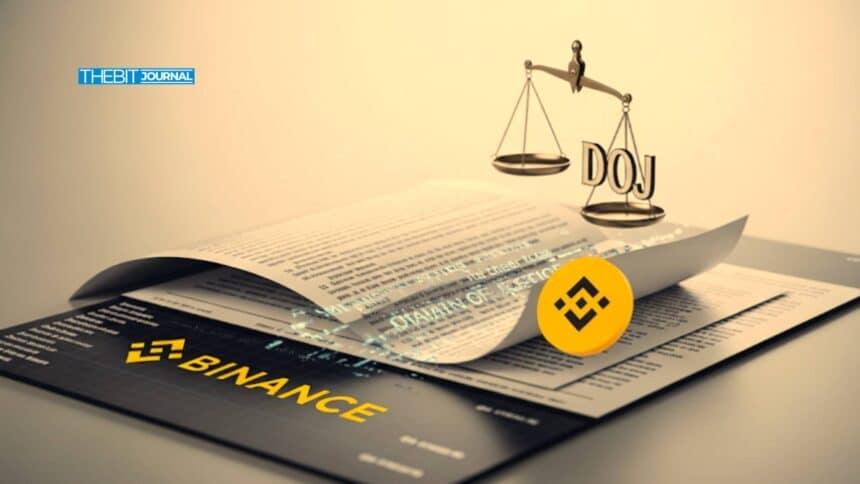
The Binance DOJ settlement has taken a new turn as the exchange enters discussions with the U.S. Department of Justice to drop its outside compliance monitor.
The monitor, imposed as part of the $4.3 billion penalty in 2023, was meant to oversee anti-money-laundering measures and sanctions compliance. Sources close to the talks confirm that this shift reflects a broader DOJ policy change toward lighter oversight models.
Matthew Galeotti of the DOJ’s Criminal Division noted recently that “monitorships should not be endless burdens but tailored tools,” signaling a recalibration of how regulators approach corporate settlements. For Binance, the potential removal of the monitor would reduce operational strain while keeping the core obligations of the Binance DOJ settlement intact.
A Costly Burden Under Scrutiny
The original agreement required both a DOJ and Treasury-appointed monitor. These dual roles ensured close oversight but also introduced financial and operational costs. Compliance monitorships can stretch into millions of dollars annually, limiting an organization’s ability to innovate and grow.
Industry observers argue that the Binance DOJ settlement demonstrates how regulators may prefer enhanced internal reporting over intrusive external monitoring. By focusing on robust internal systems, firms can avoid the perception of being paralyzed by oversight while still maintaining accountability.
Crypto Market Reaction
The market has responded quickly to the Binance DOJ settlement developments. Binance Coin (BNB) saw a lift as investors interpreted the news as easing regulatory headwinds. Analysts pointed to a positive sentiment shift, with speculation that lighter oversight could allow the exchange to expand services more efficiently.
Crypto researcher David Lawton commented on X, “The DOJ’s move shows recognition that compliance can be achieved without endless external interference. This is a win for innovation.” His remarks highlight a growing narrative that regulators are learning to balance control with industry growth.
Broader Implications for Regulation
The Binance DOJ settlement is more than just a corporate negotiation. It sets a precedent for how future cases may be handled. Other firms under long-term monitorships could look to this case as proof that sustained compliance efforts may lead to relief.
At the same time, critics warn that removing external oversight too soon could weaken accountability. Legal analyst Karen Douglas noted, “If oversight is reduced, the risk lies in whether internal systems can hold up under real market stress.” The debate underscores the tension regulators face in encouraging crypto’s expansion while safeguarding financial stability.
Conclusion
The Binance DOJ settlement talks are not just about one exchange. They represent a broader evolution in how the United States manages compliance in the crypto sector. For Binance, removing the monitor could mean smoother operations, reduced costs, and improved investor confidence. For regulators, it is a test of trust in internal controls over external policing.
As negotiations continue, the outcome will likely shape the future of global crypto oversight. The Binance DOJ settlement is a case study in the fine balance between accountability and innovation, and its ripple effects are already being felt across markets.
FAQs for Binance DOJ settlement
What was the original Binance DOJ settlement?
It was a $4.3 billion penalty in 2023 requiring Binance to improve compliance and accept two outside monitors.
Why is Binance negotiating with the DOJ now?
The exchange seeks to remove the DOJ-appointed monitor, aligning with new policy preferences for lighter oversight.
How has the market reacted?
BNB price lifted as investors saw the move as easing regulatory pressure on Binance.
Does this affect other crypto firms?
Yes, it sets a potential precedent for reduced monitorships if companies show strong internal compliance.
Glossary
Compliance monitor: An independent party appointed to oversee whether a company meets regulatory requirements.
Anti-money-laundering (AML): Laws and processes to prevent illegal money flows through financial systems.
Sanctions compliance: Rules ensuring companies do not conduct business with restricted countries or individuals.
BNB (Binance Coin): The native cryptocurrency of the Binance exchange.
Regulatory oversight: Supervision by authorities to ensure companies follow the law.