





This article was first published on The Bit Journal.
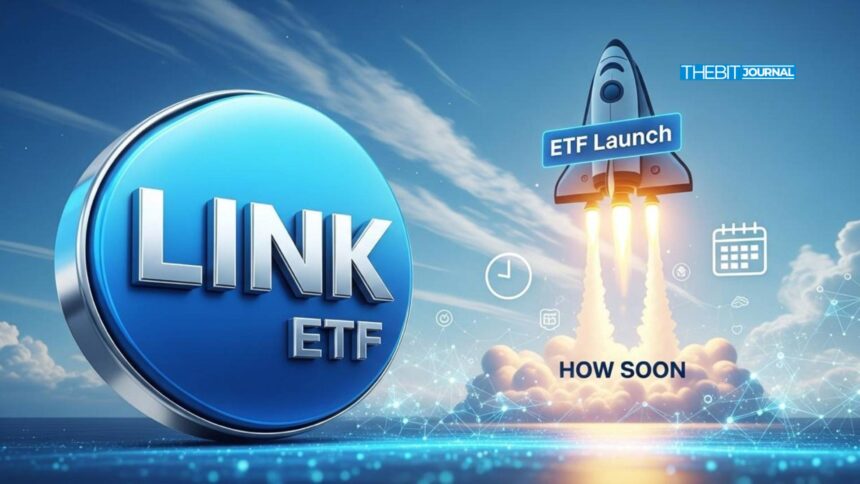
The race to launch a US Chainlink ETF is heating up and tracking the LINK ETF timeline is crucial for investors looking for regulated access to the oracle-network token.
According to recent filings, asset managers are setting up trust structures and prospectuses, while the Depository Trust and Clearing Corporation (DTCC) has added ticker entries indicating operational readiness.
But as one crypto-industry analyst puts it: “DTCC tickers may cause excitement, but they are only a step in the ETF process. The process only concludes when both of the Securities and Exchange Commission (SEC) approvals, 19b-4 and S-1, are officially granted.”
LINK ETF Timeline Structure
The Chainlink ETF timeline starts with the filing of a prospectus and S-1 with the SEC. Notably, the Bitwise Asset Management filing dated August 26 2025 outlines a trust to hold LINK directly and track the CME CF Chainlink-Dollar Reference Rate.
At the same time, the exchange (such as NYSE Arca) must file a Rule 19b-4 application to amend its listing rules or rely on newly approved generic listing standards. Once these two steps are complete, the ETF can list and start trading.
In the Chainlink ETF timeline, the DTCC listing of the ticker “CLNK” means post-trade plumbing is in place but not final regulatory approval.
The LINK ETF timeline typically looks like this:
S-1 filing — 19b-4 or generic listing approval — DTCC operational listing — issuer registration effectiveness — exchange debut.
Following each step in this sequence gives clarity on how far along the LINK ETF timeline is.
What the LINK ETF Timeline Means for Investors
From an investor perspective, the LINK ETF timeline means access; a regulated product wrapping LINK would allow exposure via brokerage accounts, no wallet setup, and no direct token custody.
The prospectus filings say: “The Shares are designed to provide investors with a cost-effective and convenient way to gain investment exposure to LINK.” In realistic terms, the Chainlink ETF timeline could open the door to institutional flows into Chainlink, and increase visibility and liquidity.
However, the Chainlink ETF timeline also raises questions: asset managers must ensure market integrity, surveillance and liquidity thresholds before listing; the prospectus mentions this by referencing the CME reference rate and creation-redemption mechanism.
For investors watching the LINK ETF timeline, the ETF is closer than ever but not yet guaranteed.
Remaining Hurdles in the LINK ETF Timeline
Despite the progress, the LINK ETF timeline still has regulatory and structural hurdles to clear. The SEC has adopted generic listing standards but must declare effectiveness of the S-1 registration and permit trading.
The prospectus for the Chainlink trust says: “We make no representation as to when or if such approval will be obtained.”
In the Chainlink ETF timeline, the two critical approvals, Rule 19b-4 (or its generic equivalent) and S-1 effectiveness, remain gating events. The DTCC listing is operational but non-regulatory.
Additionally, chain liquidity and the market’s ability to support arbitrage and redemptions are mentioned. The trust filing notes redemption mechanisms are not yet active and market risk remains.
So in the Chainlink ETF timeline, launch readiness is visible but final launch is contingent on regulatory green-lights and market readiness.
Conclusion: Looking Ahead
Based on current filings and infrastructure steps, the LINK ETF timeline suggests a possible launch in early 2026, depending on regulatory review speed. Investors and enthusiasts following this process should focus on the official filings rather than social-media claims or disputes.
The Chainlink ETF timeline is moving fast: S-1 registration statements filed, DTCC listing means operational readiness, generic listing standards in place, a regulated Chainlink ETF seems closer than ever before. But the two big gates remain; Rule 19b-4 approval and S-1 effectiveness.
Until those are cleared, the Chainlink ETF is an “almost there” story. For investors, the LINK ETF timeline means mainstream access to Chainlink but also a reminder to focus on the official filings not the hype. So far the clock is ticking, but the finish line has not yet been reached.
Glossary
ETF: an exchange traded fund that tracks an index, commodity or asset and can be bought or sold like a stock.
S-1 Registration Statement: the issuer’s document filed with the SEC to register a new security for public offering; outlining the fund’s structure, assets and risks.
Rule 19b-4 Filing: a regulatory submission by an exchange to the SEC; to approve new listing rules or list new products like ETFs.
Generic Listing Standards: new framework adopted by the SEC that allows exchanges to list certain crypto ETFs without case-by-case approval.
DTCC Registry Listing: placing a proposed fund’s ticker in the Depository Trust and Clearing Corporation’s system, meaning operational readiness but not regulatory approval.
FrequentlyAsked Questions
What is the Chainlink ETF timeline?
The LINK ETF timeline refers to the sequence of steps from filings; exchange rule approvals, S-1 registration and operational readiness leading to the launch of a Chainlink (LINK)-based ETF.
Has a Chainlink ETF filed for approval?
Yes. Bitwise filed an S-1 in August 2025 to launch a Chainlink ETF.
Does a DTCC listing mean the ETF is approved?
No. A DTCC listing means operational readiness but not SEC approval. Final launch still requires regulatory green-lights under the LINK ETF timeline.
What regulatory changes help the Chainlink ETF timeline?
On September 18 2025; the SEC approved generic listing standards for crypto ETFs; speeding up the approval process and allowing for faster product launches.
When will the Chainlink ETF launch?
While no date is set; the current state of filings and infrastructure suggests early 2026; pending regulatory review.