





Last updated on July 16, 2026
Hardware wallets are becoming a core part of digital asset security as crypto adoption expands in 2026. They are designed to protect private keys in an offline environment, away from constant internet exposure. This approach reduces the risk of online attacks that target connected devices and centralized platforms.
The hardware wallet market is valued at around USD 0.72 billion in 2026 and is projected to reach nearly USD 2.25 billion by 2031, showing rising demand for secure storage solutions and self-custody adoption. Recent security incidents have also highlighted why hardware wallets remain one of the most trusted ways to protect private keys and secure digital assets.
As self custody becomes more important, users are paying closer attention to secure storage methods. The shift is also being driven by rising awareness that most crypto losses are linked to user level security gaps rather than blockchain failures.
What is a hardware wallet and how does it work?
A hardware wallet is a physical device that stores private keys in a secure offline chip. It does not store cryptocurrency itself, since assets remain on the blockchain. Instead, it protects access credentials required to move funds. Hardware wallets generate private keys internally and ensure they never leave the device.

When a transaction is created, it is signed within the device before being broadcast to the network. This process ensures that even compromised computers cannot directly access sensitive data.
USB-connected devices dominate the hardware wallet market with a 45.21% revenue share, while retail buyers account for 71.43% of total sales. Regionally, North America leads with 38.95% market share, although Asia-Pacific is the fastest-growing market.
This rising demand is being driven by increasing security concerns, including crypto thefts, which have pushed more investors toward safer storage methods. Modern hardware wallets now support 150+ cryptocurrencies, making offline storage an essential part of crypto security for investors in 2026.
How hardware wallets protect private keys in 2026?
Most crypto losses in 2026 are still linked to user level security failures rather than blockchain weaknesses. In many cases, attackers exploit unsafe storage practices or compromised devices instead of breaking cryptographic systems.
Centralized exchanges and online wallets remain frequent targets. Hardware wallets are often adopted as a response to these risks, especially for users managing long term holdings. However, they require discipline because mistakes like unsafe backup handling can still lead to permanent loss.
What security incidents showed why self-custody matters?
Security incidents have reinforced why self-custody remains an important part of crypto security in 2026. One of the industry’s biggest breaches occurred in February 2025, when attackers stole approximately $1.5 billion from Bybit by compromising the transaction approval process used for an Ethereum cold wallet. Investigations found that the attackers manipulated the signing workflow rather than breaking the cryptographic protection of the hardware devices themselves. The incident highlighted that even institutional custody systems can be exposed when operational security is compromised.
The attack also underscored an important lesson for individual investors. A hardware wallet offers strong protection for private keys, but it should be paired with good security practices, including verifying transaction details on the device’s screen, storing recovery phrases offline, and remaining cautious of phishing attempts or fake firmware update requests. Together, these measures help strengthen self-custody and reduce reliance on third-party custodians while lowering the risk of unauthorized access to digital assets.
What are hot wallets and how do they compare with hardware wallets in everyday use?
Hot wallets are software based wallets that remain connected to the internet. They include mobile apps, browser extensions, and exchange wallets. They are widely used because they allow fast transactions and easy access. However, hot wallets are more exposed to phishing attacks, malware, and exchange breaches because they stay online.
Hardware wallets reduce this exposure by keeping keys offline and only connecting during transaction signing. Many users adopt a hybrid strategy. Hot wallets are used for small daily transactions, while hardware wallets store larger long term holdings. This balance improves both convenience and security.
Why are hardware wallets more secure?
Hardware wallets are considered more secure because they use specialized security components called secure element chips. These chips are designed to resist tampering and extraction of sensitive data. They also ensure transaction isolation, meaning private keys never interact directly with external devices.
Every transaction must be physically verified on the device, often through button presses or screen confirmation. Even if a computer is infected, the attacker cannot approve transfers without physical access to the hardware wallet. This separation between online systems and offline signing is a key security advantage.
What are the different types of hardware wallets used in 2026 and how do they work?
Several types of hardware wallets are used in 2026 based on security and convenience needs. USB based wallets remain common and connect directly to computers or mobile devices for transaction signing. Air gapped wallets operate without direct internet or USB connection. They use QR codes or NFC to sign transactions, reducing exposure to digital threats.
Bluetooth-enabled wallets offer mobile convenience while maintaining encrypted offline key storage. Multi-signature setups are also becoming more common. These require approval from multiple devices or keys before a transaction is executed adding an additional layer of protection for high value holdings.
What are the advantages of hardware wallets?
Hardware wallets tend to work best for people holding crypto over longer periods rather than frequent traders. They support multiple cryptocurrencies in a single device, allowing unified asset management. They give users full control of their private keys without exchanges or third parties.
This reduces counterparty risk significantly. Another major benefit is peace of mind. Users are less exposed to hacking risks compared to online storage methods, especially when managing large portfolios.
What are the limitations and risks?
Security is high, but hardware wallets are not risk free. They have a learning curve, especially for beginners who are unfamiliar with seed phrases and transaction signing. Physical loss of the device can become a serious issue if the recovery phrase is not safely stored. There is no way to regain access in those situations.
Devices bought outside official channels may be altered or unsafe. Such devices may be compromised before reaching the user. Even with secure design, user errors like approving fake transactions can still result in losses.
How to set up a hardware wallet safely?
Setting up a hardware wallet begins with purchasing it from an official or authorized source to avoid tampering risks. During initialization, the device generates a private key and a recovery phrase that must be stored offline. A secure PIN is then created to protect physical access.
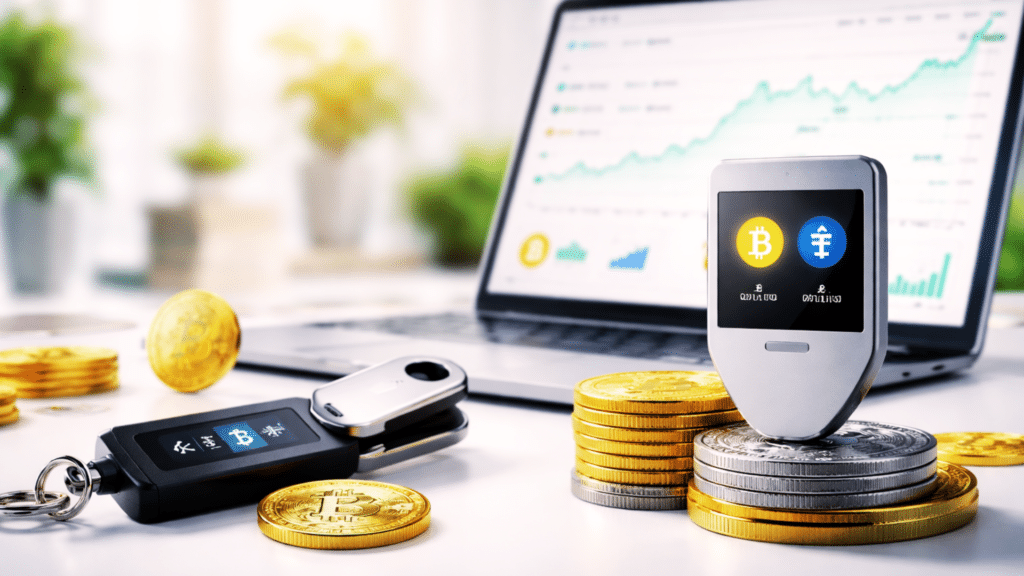
Users connect the device to a companion application to manage transactions and balances. It is recommended to test with a small transfer before moving larger funds. Regular firmware updates should also be installed to maintain security and compatibility.
Conclusion
Hardware wallets are still among the most reliable ways to secure digital assets in 2026 since they keep private keys fully offline and reduce cyber risk. Their security model based on offline storage, secure element chips, and physical transaction verification makes them far stronger than most online alternatives. Despite the benefits they still require careful handling.
Loss of recovery phrases, device tampering, and user mistakes can still lead to irreversible consequences. Responsible use matters as much as the technology itself. Overall, they are most effective when combined with basic security discipline. They are best suited for long term storage, while hot wallets remain useful for daily transactions. Combined, they offer a simple and practical approach to safer digital asset management.
Glossary
Private Key: Secret code that gives access and ownership of crypto.
Cold Storage: Keeping crypto keys offline for better security.
Hot Wallet: Online wallet used for fast crypto transactions.
Self Custody: Full control of crypto without third parties or exchanges.
Secure Element Chip: Secure hardware that protects sensitive crypto data.
Seed Phrase (Recovery Phrase): Words used to recover a lost or damaged wallet.
Frequently Asked Questions About Hardware Wallets 2026
Are hardware wallets safe?
Yes, hardware wallets are very safe because they keep private keys away from the internet.
Who should use a hardware wallet?
Anyone who holds crypto long term or wants better security should use a hardware wallet.
Can hardware wallets be hacked?
Hardware wallets are very hard to hack but user mistakes can still create risks.
How does a hardware wallet work?
A hardware wallet signs transactions inside the device without exposing private keys.
Why are hardware wallets more secure than hot wallets?
Hardware wallets are more secure because they keep private keys offline. While hot wallets stay connected to the internet.
Sources: