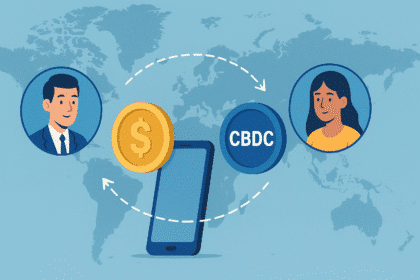













Blockchain in the metaverse is turning shiny demos into places where people buy, earn, and belong. The shift works when money moves cleanly, property persists across apps, and identity travels safely. Open ledgers, portable wallets, and transparent receipts make that possible. With clear fees and predictable settlement, curiosity becomes habit and habit becomes community. This article explains the pieces in plain English and shows how to use them well.
The core idea is simple. A wallet acts like your digital pocket, tokens behave like money or points, and smart contracts automate rules you can trust. Standards let items and badges travel between compatible worlds without special adapters. Safety belongs inside everyday buttons with verified collections, readable prompts, and fast takedowns. When these parts click, scenes stop resetting at logout and start acting like durable economies.
The Core Pieces: Wallets, Tokens, And Contracts
A wallet stores the keys that prove identity and the approvals that authorize actions. Many apps now create a wallet with a familiar email login, which removes early friction for new users. Inside, you hold item receipts, small balances for fees, and permissions that expire responsibly. Recovery can use trusted contacts rather than seed phrases, and prompts explain each step clearly. Confidence grows because people understand what a click means and what happens next.
Stablecoins: Prices That Feel Normal
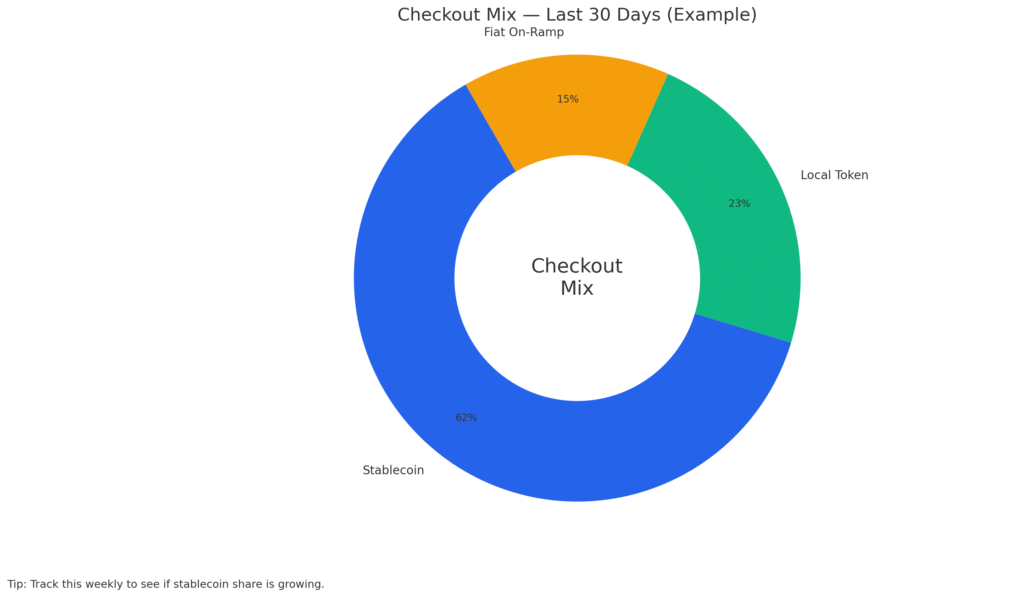
Some tokens track everyday currency so prices feel familiar at checkout. Stablecoins make refunds simpler for finance teams and reduce hesitation for buyers during busy periods. Showing fees up front and settling quickly turns a stressful step into a routine action. Brands prefer stablecoin rails because reconciliation and reporting match traditional expectations. The result is cleaner accounting and fewer support tickets for everyone involved.
Local Tokens: Loyalty, Quests, And Grants
Local tokens work best as fuel for community rewards instead of daily pricing. Worlds can fund quests, loyalty tiers, and creator grants without pushing volatility into basic purchases. Clear schedules and sensible sinks prevent noise that confuses holders and makers. When roles are separated, players understand value and studios can tune incentives safely. The economy feels purposeful rather than speculative.
Smart Contracts: Automated, Predictable Rules
Smart contracts enforce revenue splits, time-locked tickets, rentals with auto return, and prize escrow. They run the same way for everyone, which reduces disputes and manual reconciliation. Because the rules are visible, creators ship confidently and iterate faster with fewer surprises. Players benefit from instant confirmations, while studios gain cleaner logs and audit trails. Predictability turns one-off wins into reliable habits.
Interoperability That Helps People
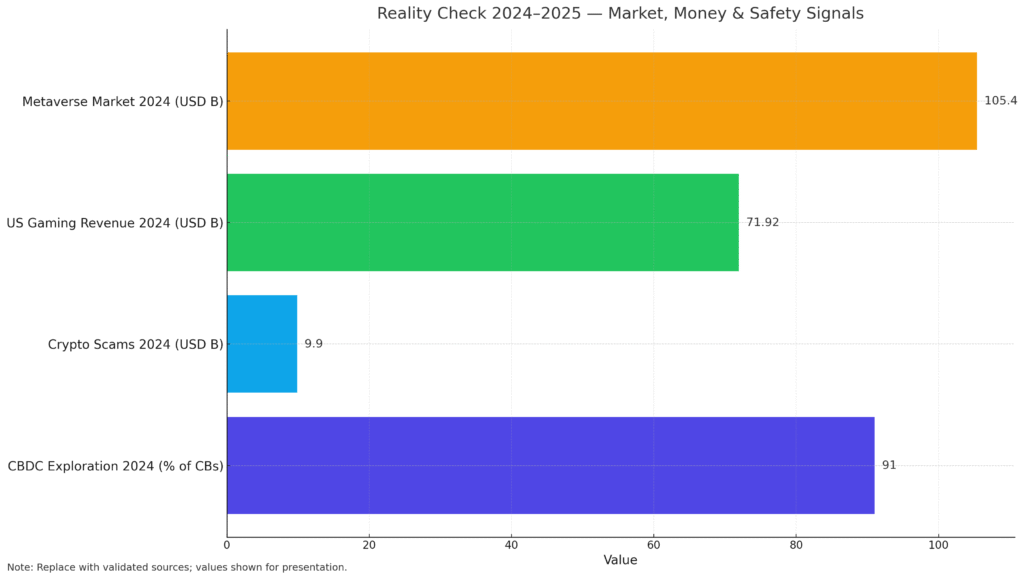
Standards give items and badges a consistent shape that many apps can read. When studios align traits and metadata, inventories show the same truth in multiple clients. Indexers keep screens fast by caching common views like “my stuff” and “market listings.” Storage links tokens to media so images do not silently change. Together, these pieces let lockers, profiles, and marketplaces agree with minimal friction.
Identity also gets simpler and safer when proofs replace forms. One wallet can log into many worlds while sharing only what a task requires. Families can whitelist kid-safe areas, and clubs can check badges instead of collecting personal data. Brands verify eligibility without building risky data warehouses. Privacy becomes practical because design choices minimize what you reveal.
Rails To Choose: Public Chain, Rollup, Or App-Chain
Public Chains: Reach And Ecosystem
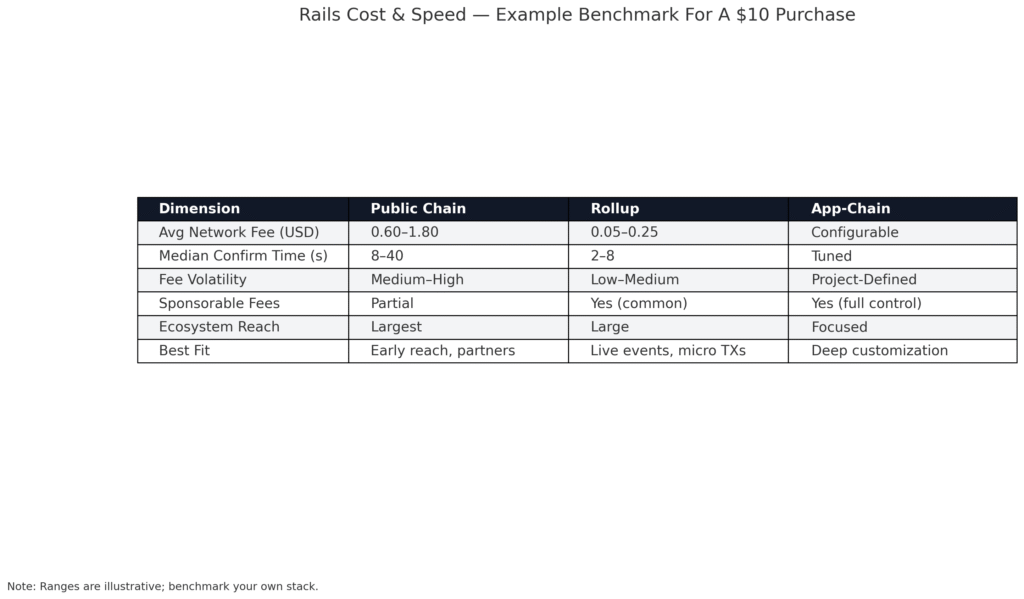
Public chains maximize reach because users arrive with balances and familiar wallets. Integrations and tooling are mature, and partner options are plentiful out of the box. The tradeoff is occasional congestion and fee spikes during major launches. Sensible fee displays and resilient checkout flows can offset these moments effectively. For many projects, that compromise is worth it to grow community quickly.
Rollups: Low Fees, Fast Finality
Rollups lower costs and anchor security to a mature base chain, which suits live events and micro-transactions. Confirmations land quickly, fees stay predictable, and wallet compatibility remains strong. Many games start here, learn traffic patterns, and tune economics safely before expanding. Sponsored fees become practical, and onboarding feels closer to standard mobile apps. As usage grows, teams still integrate comfortably with the broader ecosystem.
App-Chains: Full Control, More Responsibility
App-chains deliver custom control over fees, upgrades, and features tuned to your loop. They shine when deep customization matters more than shared liquidity or generic tooling. The cost is running more of the “city plumbing” with real operational discipline. Teams often graduate to app-chains after proving fit on a rollup first. This path balances speed early and control later.
Business Models People Understand
Primary Sales: Fund And Validate
Primary sales fund early development and validate demand with buyers who value visible rights. Clear utility and fair supply reduce churn and set expectations honestly. When pricing and schedules are transparent, communities trust updates and roadmaps. Studios can learn quickly without over-minting or over-promising.
Royalties: Sustain Creators Between Drops
Royalties support creators between major releases so communities stay active without constant hype. On-chain splits reduce delays and reduce disputes because everyone sees the same math. Creators invest in better content when revenue arrives predictably and fairly. Secondary markets feel healthier when royalties are reasonable and clearly disclosed.
Events, Tickets, And Passes: Peaks And Predictability
Events and tickets create seasonal revenue peaks that energize social habits and partnerships. Battle passes smooth cash flow by trading predictable perks for ongoing engagement. Time-bound perks and fair refunds keep buyers comfortable during busy calendars. When money flows are predictable, the roadmap feels believable rather than aspirational.
Checkout And Currency: Keep It Clean
Stablecoin checkout calms finance teams and simplifies refunds, audits, and partner agreements. Local tokens can then power loyalty, quests, and grants without complicating basic purchases. Publishing take rates, payout schedules, and royalty splits turns money movement into trust. Transparency accelerates collaborations and keeps expectations realistic while teams scale.
Everyday Use Cases
Tickets travel cleanly between partner venues, which removes redundant forms and speeds door checks. A single purchase can unlock backstage perks today and community rooms next month. People notice when logistics feel smooth and they return because it saves time.
Creator payouts happen when sales happen, not at the end of a slow accounting cycle. A musician and a collaborator can split revenue automatically and see results instantly. Rentals also become practical, letting players borrow rare items for weekend tournaments with auto return. These small wins create habits that grow markets without complicated education.
What Actually Happens At Checkout
You select an item, review the price plus a clearly shown network fee, and approve once. A smart contract swaps tokens for the item and writes one permanent receipt to the network. The asset appears in your in-world inventory and also in your wallet outside the world. Because the record is shared, games and marketplaces display the same truth without special adapters. Simplicity earns trust because everyone sees the identical outcome.
Fast systems keep this flow tight by preparing screens people open most often. Indexers cache inventories and histories, while storage mirrors media across providers for resilience. Content fingerprints stored on chain prevent silent image swaps or broken links during busy events. The whole experience feels like a normal app, which is exactly the goal here.
Onboarding And Safety By Design
Onboarding should feel familiar rather than technical. Email or social login can create a wallet quietly, and the app can sponsor the first fee. Approvals expire instead of lasting forever, and recovery can use trusted contacts when needed. Short tips explain how to verify a collection and why fees exist at checkout. People complete their first purchase without juggling seed phrases or deciphering cryptic prompts.
Safety belongs inside everyday buttons, not buried in policy text. Verified collections reduce counterfeit drops, readable prompts explain approvals, and allowlists limit who can mint on day one. Rapid takedowns remove bad links quickly, while status pages describe what is happening during spikes. When safety becomes product design, confidence builds with each purchase.
Getting Started: A Beginner Path
Begin with one small purchase on a verified marketplace that shows fees clearly before you click. Use email login if available, which quietly creates a wallet under the hood. Keep a small balance for fees and, for larger purchases, prefer a stablecoin option. If any prompt looks odd, cancel and re-check the link carefully. Patience beats fixing a bad click later, especially during popular drops.
Creators should launch a tiny drop with simple rights and a visible royalty split from day one. Ship a basic dashboard that shows sales, splits, and secondary activity without guesswork. Add perks later rather than inventing complexity early. Brands can test a pop-up event where the ticket doubles as a membership badge afterward. Prove one loop, then expand once the data confirms what users genuinely enjoy.
Conclusion
Blockchain in the metaverse turns scenes into systems where ownership, payments, and identity align. Users keep items that matter, creators receive predictable income, and brands run programs people actually enjoy. The winning play is clarity over complexity. Keep checkout simple, keep fees predictable, and build safety into everyday actions. When those parts click, virtual worlds feel useful, trustworthy, and worth returning to tomorrow.
FAQs about Blockchain in Metaverse
What is blockchain in the metaverse, in simple terms?
It is the ownership and payments layer for shared online worlds, using wallets, tokens, and public records.
Do I need crypto knowledge to start?
No. Many apps offer email login, clear prompts, and sponsored first fees to make the first purchase easy.
Why use stablecoins at checkout?
Stablecoins track everyday currency, so pricing and refunds feel normal to buyers and finance teams.
Are NFTs just images?
No. An NFT is a verifiable receipt that points to an item and its history, which any compatible app can read.
How do I stay safe from scams?
Use verified links, check collection badges, read prompts before approving, and pause if anything looks unusual.
Which rails should a new project choose?
Start on a rollup for low fees and speed, then consider a dedicated app-chain once customization dominates.
Glossary
- Wallet: A secure app that holds keys, approvals, and item receipts you control.
- Token: Digital money or points used for purchases and rewards.
- Stablecoin: A token designed to track a currency like the dollar for steady pricing.
- NFT: A verifiable receipt that proves an item is yours and shows its history.
- Smart Contract: Code that automates payouts, unlocks, rentals, and prize escrow.
- Gas/Fee: A small network cost paid to process a transaction.
- Rollup: A faster lane that batches transactions to cut fees while using a base chain’s security.
- App-Chain: A dedicated blockchain for one ecosystem that trades shared liquidity for control.
- Indexer: A service that makes inventories and histories load quickly.
- Allowlist: An approved list of wallets that can mint or claim during sensitive releases.
Summary
This layman-friendly guide shows how blockchain in the metaverse turns short-lived demos into durable economies. Wallets handle identity and approvals, stablecoins keep checkout familiar, and local tokens power loyalty without complicating refunds. Smart contracts enforce splits, tickets, rentals, and prizes with rules that behave predictably. Standards and indexers make items and badges travel across compatible worlds, while safety lives inside everyday buttons through verified collections and readable prompts. Choose rails that match your phase, publish clear money flows, and start small. When checkout is simple and rights travel, people come back.