





Solana is becoming a regular feature on institutional desks as two major asset managers roll out new SOL ETFs. These products package SOL inside a regulated structure and add staking on top, turning a fast-moving crypto asset into something that can sit beside more traditional holdings.
After a period of sharp rallies and sudden pullbacks, Solana has reached a stage where long term adoption and real network usage matter as much as price moves. By introducing SOL ETFs that include staking, large managers signal that they view SOL as an asset with staying power rather than a passing trend.
Fidelity Enters The SOL ETFs Arena With FSOL
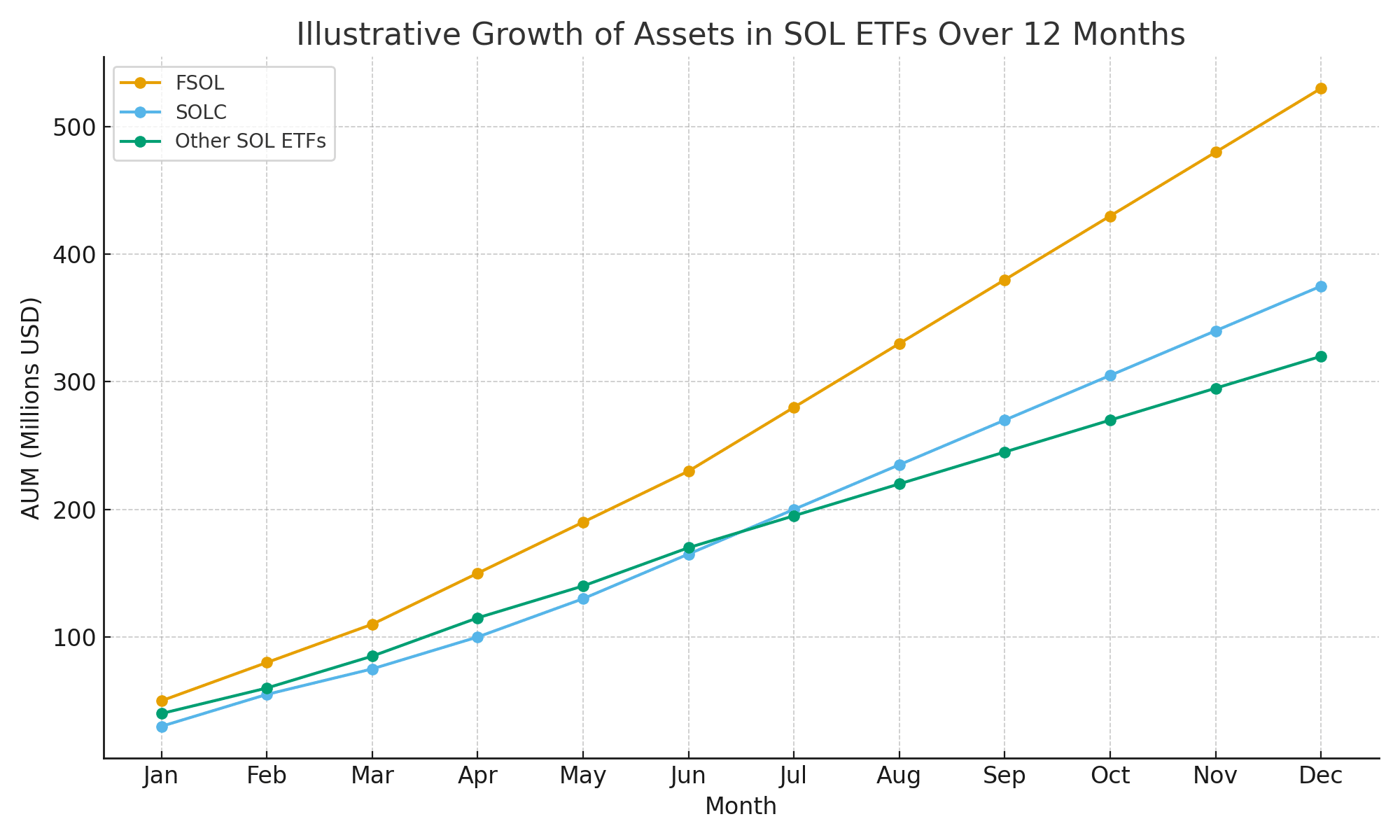
Fidelity has stepped into this landscape with its Fidelity Solana ETF, which trades under the ticker FSOL. The fund holds SOL directly and stakes those holdings through institutional infrastructure so that SOL ETFs can earn network rewards on behalf of shareholders. For clients who already buy other exchange-traded products through a broker, this structure allows SOL exposure to fit into existing workflows and risk reports without the need to handle private keys.
To build early momentum, Fidelity is waiving both the management fee and the separate staking fee until a promotional date in 2026. After that point, the ETF charges a modest management fee and takes a share of staking rewards, with the remainder flowing back into the fund. As assets grow, FSOL joins a cluster of SOL ETFs that give investors a range of fee levels and operational setups to consider.
Canary Marinade Adds Another SOL ETF With A Staking Focus
Canary Capital has introduced a competing product known as the Canary Marinade Solana ETF, listed under the ticker SOLC. This fund also holds SOL and stakes it through a specialist Solana staking solution that aims to optimise yield while preserving strong risk controls. The structure is designed for wealth managers, family offices, and other professional investors who prefer a single vehicle that wraps custody, staking, and secondary market liquidity together.
In practice, SOLC extends the menu of SOL ETFs rather than challenging the concept itself. Some investors may prefer the brand recognition and fee holiday of a large global manager, while others may favour a more focused provider that leans heavily into staking expertise. The common thread is that all of these SOL ETFs pull Solana deeper into the regulated capital market system and reduce the friction that once kept many institutions on the sidelines.
Why SOL ETFs Matter For The Solana Ecosystem
For the Solana ecosystem, the growth of SOL ETFs carries several long term implications. As more fund assets are staked, a larger share of the SOL supply becomes committed to securing the network, which can support resilience and reduce freely tradable float. Listing these funds on major stock exchanges also increases transparency around trading volumes and brings additional price discovery into regulated venues.
Investors who follow SOL ETFs closely pay attention to the same core indicators that drive the broader crypto market, alongside macroeconomic conditions such as interest rate expectations and liquidity trends. Price behaviour around key support and resistance zones helps them assess whether ETF inflows reflect durable demand or short term positioning. On chain data such as active addresses, transaction counts, and fee trends shows whether real activity is growing on the network, while staking participation and yield levels provide clues about the health of the protocol.
Conclusion: Solana Takes Another Step Into Traditional Finance
The launch of these new SOL ETFs marks a clear milestone in the ongoing convergence between crypto and traditional markets. Solana moves from being a high speed network mainly discussed in trading circles to an asset that can sit inside diversified portfolios and advisory platforms. If adoption of these funds continues to build, the combination of staking yield, regulated access, and growing on chain activity may turn SOL from a speculative trade into a long term strategic holding for a widening range of investors.
Frequently Asked Questions (FAQ)
Question 1: What is the basic idea behind these new Solana ETFs?
These funds hold SOL as the underlying asset and list shares on regulated stock exchanges. The manager handles custody, staking, and operations, while investors receive price exposure to SOL and, in some cases, an indirect benefit from staking rewards that accumulate inside the fund.
Question 2: How does staking inside an ETF actually work?
When the ETF stakes its SOL, those tokens are delegated to validators on the Solana network. The protocol pays rewards to the fund for helping secure the chain. After fees, the remaining rewards are typically added back into the portfolio, increasing the amount of SOL represented by each share over time.
Question 3: What risks remain for investors who choose Solana exposure through an ETF?
Regulated structures reduce some operational risks, but they do not remove market risk. The price of SOL can still move sharply in response to liquidity shifts, competition from other blockchains, or changes in sentiment toward digital assets.
Glossary of Key Terms
Exchange Traded Fund (ETF)
A pooled investment vehicle that holds a basket of assets and trades on a stock exchange like a single security. Shares track the value of the underlying portfolio.
Spot ETF
An ETF that holds the underlying asset directly rather than using futures or synthetic exposure. In this context, it means the fund owns SOL itself.
Staking
The process of locking tokens in a proof of stake network in order to help validate transactions and secure the chain. In return, the protocol pays rewards to the staker.
Validator
A node operator that participates in block production and transaction validation on a proof of stake chain. Validators usually receive staking rewards for their service.
Custody
The safekeeping of digital assets by a specialised provider that uses secure wallets, internal controls, and auditing standards to protect client holdings.
References