
Web3 is slowly becoming part of daily life but still many people are not sure how to use it. The first step for anyone who wants to enter Web3 is a digital wallet. Without a wallet, no crypto, no NFT, no DeFi, nothing works. The problem is that most wallets today feel confusing and unsafe for normal people.
This is where new wallet innovations are starting to make a big difference. Better design, stronger security, and easy recovery methods are opening the door for adoption. In this blog, the focus stays on these Web3 wallet innovations. It will look at why wallets matter, what problems they had, and how new features are finally solving them. By the end it will be clear why wallets are at the center of Web3 growth in 2025.
What Is a Web3 Wallet and Why Does It Matter?
A Web3 wallet is a digital tool that stores crypto and gives access to blockchain apps. It is not like a normal bank account. Instead of the bank keeping the money, the wallet connects directly to the blockchain where the assets live. The user holds private keys, and that is what proves ownership.
In simple words, the wallet is the passport for Web3. If there is no wallet, then there is no way to enter crypto spaces. The wallet also matters because it gives power back to people. Unlike banks, there is no middleman. This freedom is what makes Web3 so attractive but also what makes it risky for new users.
Current Problems With Web3 Wallets Slowing Adoption
Even with all the growth of Web3, adoption is still far behind regular banking apps. One of the biggest reasons is the wallet experience. Wallets today often feel like they are made for developers, not beginners.
People open a wallet app and see long strings of addresses, gas fees, and technical warnings. This scares many away. Another problem is scams and hacks. Phishing links trick people to sign fake transactions. Once the funds are gone, there is no refund system like banks.
For Web3 to grow, wallets must become safer and simpler. The technology must not feel like rocket science. The goal is for wallets to feel as natural as PayPal or Venmo but with blockchain power inside.
Why Most Users Still Fear Web3 Wallets
Most people still hesitate because of three main fears. The first is losing the private key. If the key is gone, the funds are gone forever. That kind of risk feels too heavy compared to forgetting a bank password.
The second is hacks and scams. Social media is full of stories of people losing savings in one click. This creates fear that wallets are unsafe.
The third fear is complexity. New users open a wallet, see terms like seed phrase or slippage, and they leave immediately. Until these fears are reduced, adoption will remain slow.
Key Innovations in Web3 Wallets That Improve User Adoption
The good news is that wallet builders are listening. In 2025, the newest wallets focus on solving adoption barriers. They bring features that make crypto easier, safer, and more welcoming.
Multi-Chain Support for Easy Access
Old wallets often worked only on one chain. That meant people had to download three or four wallets just to use Ethereum, Solana, and Polygon. It was messy. Now multi-chain wallets are becoming the standard.
With one wallet, a user can connect to multiple blockchains. This reduces confusion and lowers the learning curve. Multi-chain support also makes payments and NFT transfers smoother. Instead of worrying which chain a token is on, the wallet handles it behind the scenes.
Social Recovery and Smart Account Systems
One of the biggest problems with wallets is losing keys. In the past, once the seed phrase was gone, there was no way back. Social recovery changes this. Now wallets can allow trusted friends or devices to help recover access.
Smart account systems take it further. They remove the need for long private keys in daily use. Instead, they use smart contracts that allow recovery options and better security. This single feature is expected to bring in many new users who were too scared before.
Biometric and Passwordless Wallet Access
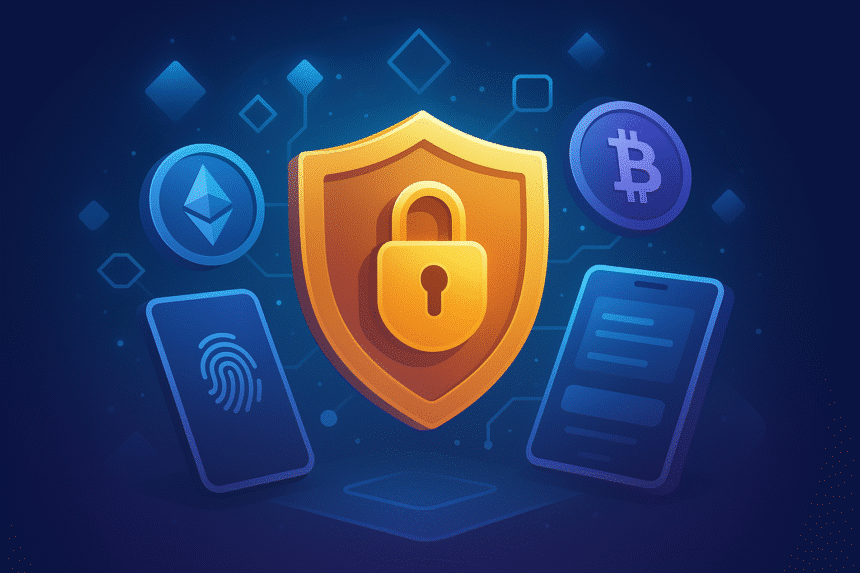
Most people today already use face ID or fingerprint to unlock phones. Wallets are adopting the same. With biometrics, the user does not need to type long passwords or store confusing keys every time.
Some wallets also try passwordless logins. This means logging in with secure devices or one-time approvals instead of remembering codes. It reduces stress and feels natural for beginners.
Security Upgrades in Web3 Wallets for Safer Adoption
One of the strongest fears in Web3 is about safety. People read about hacks, scams, and phishing all the time. For wallets to drive adoption, they must prove they are secure. This is why most new wallets are built with advanced security tools in 2025.
Anti-phishing alerts are now becoming common. When a user clicks on a dangerous link or tries to approve a suspicious transaction, the wallet gives a warning. This small step saves many from losing funds.
Another upgrade is transaction previews. In older wallets, users signed contracts without knowing what was happening. New wallets now show clear text like “You are sending 50 USDT to address X” before approval. It removes confusion.
Fraud detection is also improving. AI and machine learning tools help detect if a transaction looks strange compared to normal behavior. This helps block many scams in real time.
Hardware and Cold Wallet Integration
Cold wallets, also called hardware wallets, are still the gold standard for safety. They store private keys offline, away from hackers. The problem was they felt too complicated for normal people.
Now modern software wallets integrate directly with hardware wallets. That way, users can enjoy easy mobile apps while still keeping funds safe offline. The wallet makes the hardware usage smoother, almost invisible.
Two-Factor Authentication in Crypto Wallets
Two-factor authentication, also called 2FA, is common in email and banking apps. Web3 wallets are now adding the same. A code from SMS, email, or authenticator app can be needed before sending big transactions.
This extra step feels normal for most internet users. It makes wallets closer to banking apps and reduces the chance of quick hacks.
User-Friendly Wallet Designs That Attract Beginners
A wallet is not just about safety. If it feels ugly or confusing, people will not use it. User design is just as important as security.
Many of the newest wallets now come with clean, modern designs. Instead of long codes and hard-to-read screens, they use simple menus, bright buttons, and helpful guides. Some wallets even teach users inside the app, giving small tutorials step by step.
Mobile-first design is also key. Most people enter the internet from their phones, not from laptops. So wallets that feel natural on a smartphone are gaining traction.
Gamification Features
Wallets are also starting to use gamification. This means adding points, badges, or small rewards for learning and safe behavior. A new user might get a badge for completing their first transaction or a reward for securing their wallet with 2FA.
This makes the wallet feel more like a game than a stressful banking app. It keeps users engaged and learning while also building confidence.
Wallets as Super Apps
Another big trend is wallets turning into super apps. A super app does not only store crypto. It also lets users swap tokens, buy NFTs, stake assets, and even send payments all in one place.
This saves time and makes the experience simpler. Instead of downloading ten apps for different uses, one wallet can handle everything. This makes adoption easier because it feels like a complete financial app.
Real World Adoption: Web3 Wallets in 2025
In 2025, Web3 wallets are no longer just for crypto traders. They are slowly being used in real-world situations. Retail stores, online shops, and even freelancers are beginning to accept payments through wallets.
The biggest advantage is how fast and borderless it feels. A person in Asia can pay someone in Europe in seconds without banks slowing it down. All that is needed is a wallet with multi-chain support.
Wallets for Retail Users
For everyday people, wallets are becoming more useful with QR code payments. A user can scan a code at a shop and pay instantly using their wallet. The process feels close to Apple Pay or Google Pay, which makes it less scary.
Wallets for Businesses
Businesses are also getting tools in wallets. Some wallets now allow invoicing, automated payments, and even contract execution. This is especially useful for freelancers and companies working across countries.
This new use case is a strong driver for adoption. When wallets are not only for holding coins but also for running daily business, more people will be open to trying them.
Case Studies of Popular Web3 Wallets and Their Innovations
Some popular wallets are already leading the way in innovation.
MetaMask has introduced better transaction previews and phishing protection. It also supports more blockchains than before.
Trust Wallet has improved its mobile design and made buying crypto with debit cards easier. It also supports thousands of tokens which helps adoption.
Coinbase Wallet focuses on beginners. It has a clean design and social recovery tools. For many users, it feels like a bridge between Web2 and Web3.
Smaller wallets are also adding fresh features. Some focus on NFTs, others on DeFi, and some on identity. These experiments help push innovation forward.
How Web3 Wallet Innovations Solve the Adoption Problem
The truth is adoption was stuck for many years. Wallets were too hard, too risky, and too limited. But the new features are finally fixing these issues.
Multi-chain support removes the headache of juggling different apps. Social recovery makes the fear of losing private keys much smaller. Biometric access makes wallets feel like regular phone apps. Fraud detection and transaction previews make people feel safe again.
In short, wallets are no longer just tools for crypto experts. They are becoming tools for normal people. The more wallets look and feel like simple apps, the faster adoption grows. This change is what can bring millions of new people into Web3.
Future of Web3 Wallets and User Adoption
The future of wallets looks even more advanced. Experts believe that AI will be a big part of wallet security. AI systems will learn user behavior and stop strange actions before they happen.
Wallets may also become identity tools. Instead of only storing money, they could hold digital ID, health records, or work credentials. This means a single wallet could replace many apps at once.
Governments and big companies are also testing blockchain payments. If they adopt wallets, the jump in user growth will be huge. Web3 wallets could become as common as email apps in the next few years.
Common Questions on Web3 Wallets
Are Web3 wallets safe?
Yes, but only if used carefully. New wallets have security upgrades like fraud alerts, 2FA, and biometric logins. Still, users need to avoid scams.
Which Web3 wallet is best for beginners?
Wallets with simple designs and recovery options are best. Coinbase Wallet, Trust Wallet, and newer wallets built for mobile are often recommended.
What happens if a private key is lost?
In old wallets, losing keys meant losing funds forever. But in modern wallets, social recovery and smart accounts can help restore access safely.
Can Web3 wallets stop phishing attacks?
They cannot stop all scams, but they can warn users. Many wallets now give alerts if a site looks fake or if a transaction seems dangerous.
Glossary of Simple Terms
Web3 – The next version of the internet where apps run on blockchains instead of central servers.
Wallet – A digital app that stores crypto and connects to Web3 apps.
Private Key – A secret code that proves ownership of funds in a wallet.
Seed Phrase – A list of words used to back up and recover a wallet.
Social Recovery – A system where friends, devices, or trusted services can help recover a wallet if access is lost.
Multi-Chain Wallet – A wallet that supports more than one blockchain at the same time.
2FA (Two-Factor Authentication) – An extra step like a code or app to confirm login or transactions.
Summary
The growth of Web3 depends on wallets. They are the first step for anyone who wants to enter blockchain. In the past, wallets scared away many new users. They were complex, risky, and not designed for everyday people.
Now this is changing. With multi-chain support, social recovery, biometric logins, and fraud detection, wallets are becoming much more friendly. Businesses and normal users are starting to trust them.
If these innovations keep moving forward, wallets will not only support crypto but also become the base for identity, payments, and digital life. Adoption will grow fast once wallets feel safe and easy. In 2025, it is clear that wallets are not just tools, they are the gateway for the future of Web3.