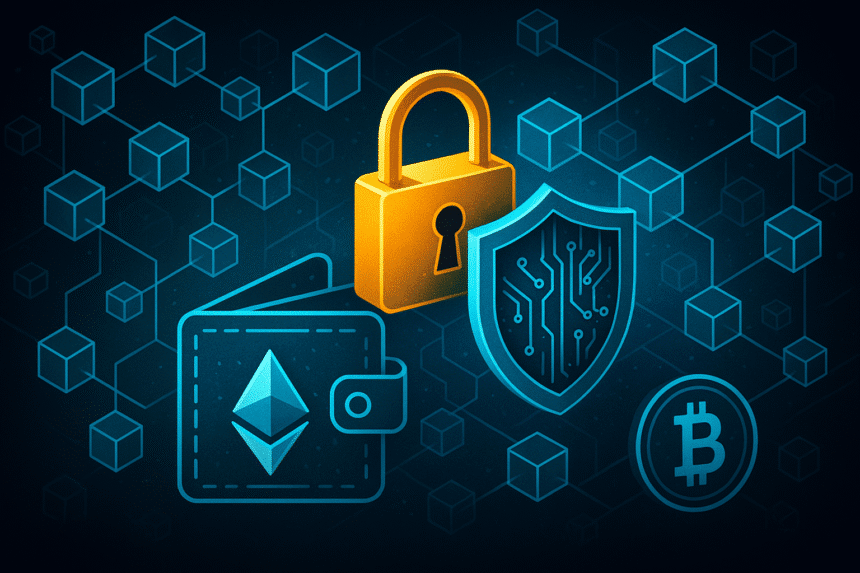

Web3 and anti-phishing is the new version of the internet where apps, games, and money all work on blockchains. In Web3 people do not depend on big companies to keep their data or money. Instead, they use wallets and smart contracts to control everything by themselves. This gives more freedom but it also brings new problems.
One of the biggest problems in Web3 is online scams. Many hackers and bad actors try to steal digital assets from wallets. They use tricks like phishing, fake websites, or asking for secret wallet keys. Once a hacker gets into a wallet, there is no bank to call and no way to reverse the money transfer.
That is why Web3 security is very important. This guide explains in simple words how phishing works, why wallets need protection, and what solutions exist to keep digital assets safe.
What is Phishing in Web3?
Phishing in Web3 is when scammers trick users into giving private wallet details. It may occur via email, text messages, or even counterfeit websites that appear authentic. Indicatively, a fraudster can use a link that resembles the homepage of a well-known cryptocurrency project. Once a scammer inserts the wallet seed phrase typed by the victim on that site, they steal all the money.
Phishing is dangerous in Web3 because wallets are directly linked to blockchain money. Unlike bank accounts, there is no way to freeze stolen funds. Once tokens leave a wallet, they are gone forever. This makes phishing one of the fastest and most common ways hackers steal in Web3.
Real-Life Examples of Phishing in Web3
There have been many cases of phishing in crypto and Web3. Fake airdrops are very common. A new website may offer free tokens to anyone who connects a wallet. Once the wallet is connected, the site drains funds.
Another example is fake support emails. Scammers pretend to be from big projects like MetaMask or Binance. They ask for a wallet recovery phrase, saying it is needed for “verification.” Many users fall for this and lose their funds.
Wallet drain attacks are also rising. These scams trick users into signing a transaction that looks normal but in reality gives hackers access to move tokens freely.
Why Wallet Protection is So Important in Web3
A wallet in Web3 is not just for storing money. It is the main tool that allows someone to use DeFi apps, buy NFTs, send crypto, or join DAOs. Because wallets hold private keys, losing access to a wallet is the same as losing everything inside it.
Phishing attacks are a fast way for hackers to target wallets. If a scammer gets the seed phrase or tricks the user into signing a bad contract, all the funds can be stolen in seconds. There is no refund and no insurance in most cases.
This is why wallet protection is very important. Using safe tools and learning how scams work can reduce the chance of losing assets. Protecting a wallet is the same as protecting a personal bank account, only it is even more serious because there is no bank support in Web3.
| Risk | Example | What Can Happen |
| Phishing link | Fake website asking for seed phrase | All funds stolen |
| Malicious dApp | Connecting wallet to scam site | Tokens drained |
| Fake support | “Support team” asking private keys | Wallet hacked |
How Anti-Phishing Solutions Work in Web3
Anti-phishing solutions are tools and systems made to stop scams before they happen. They help users avoid clicking fake links or signing risky transactions. These solutions work in different ways.
Some tools check websites against a database of known scam domains. If a user tries to open a dangerous site, a warning pops up. Other tools look at wallet activity and block suspicious contracts before they are confirmed. Many wallets now have built-in warnings that show if a site looks unsafe.
Education is also a big part of anti-phishing. If users know how scams look, they are less likely to fall for them. Many Web3 projects run awareness campaigns so users can learn to identify red flags.
Browser Extensions for Anti-Phishing
Browser extensions are small apps added to Chrome or Firefox. They can detect scam websites and show alerts. For example, the MetaMask extension has a phishing detector that blocks known fake domains.
Built-in Security in Wallet Apps
Many Web3 wallets now have protection features inside them. For example, when a wallet user tries to sign a transaction, the wallet app may warn that the contract is unknown or suspicious. This helps stop tokens from being stolen.
Popular Anti-Phishing Tools and Platforms
Over the years, many security companies and Web3 projects have created tools to fight phishing. These tools are important because scams keep changing and new fake sites appear every day.
Some popular anti-phishing solutions include MetaMask’s phishing detector, which automatically blocks known scam domains. Chainalysis provides services for tracking scam wallets and reporting them. PhishFort monitors new scam websites and helps projects shut them down quickly.
These tools do not stop every scam, but they make phishing much harder for hackers.
Top Anti-Phishing Tools for Web3 Security
| Tool/Platform | Feature | Why It Helps |
| MetaMask Phishing Detector | Blocks fake domains | Prevents seed phrase theft |
| Chainalysis KYT | Tracks scam wallets | Stops stolen fund movement |
| PhishFort | Monitors new scam sites | Protects project users |
Wallet Protection Solutions in Web3
The concept of wallet protection implies the application of resources and habits that ensure the privacy of keys and seed phrases. In Web3 security, wallet protection is the most significant step because it serves as the entry point to any of the digital assets.
There exist varieties of wallets, and they have a varying degree of protection. Hot wallets, also known as wallets that remain connected to the internet, are simple to operate but are more vulnerable to attacks. Hardware wallets, which are also known as cold wallets, are safer and remain offline. Multi-sign wallets are also applicable where appropriate protection is required by the team or corporation.
The good thing is that many solutions exist today. Some wallets add two-factor authentication. Others allow setting daily limits on how much money can leave the wallet. These extra layers make it harder for scammers to steal everything in one click.
Best Practices for Wallet Protection
One of the strongest rules is never to share a seed phrase. If someone asks for it, that is a scam. Another best practice is to store the seed phrase offline, written on paper, not on a computer file. Using a hardware wallet is also a good way to protect large amounts of crypto. For businesses and DAOs, a multi-sig wallet makes sure no one person can move funds without other approvals.
Wallet Types and Their Safety Levels
| Wallet Type | Example | Safety Level | Best Use |
| Hot Wallet | MetaMask | Medium | Daily use and small funds |
| Cold Wallet | Ledger, Trezor | High | Long-term storage |
| Multi-Sig Wallet | Gnosis Safe | Very High | Teams, DAOs, large funds |
Education as the Strongest Anti-Phishing Tool
Technology can stop many scams, but education is still the strongest tool. Most phishing attacks work because people do not notice the warning signs. If users know how scams look, they will avoid them.
Education in Web3 comes from many sources. Some projects write guides and publish them on their websites. Others post alerts on Twitter or Discord to warn about new scam websites. Communities also play a big role, because people share their experiences and teach others what to watch for.
Simple education, like “never give out your seed phrase,” already saves many users. Awareness campaigns also remind users to double-check links, not trust random messages, and use only official websites. As Web3 grows, education will remain the number one defense.
Case Studies of Phishing Attacks in Web3
Looking at past phishing cases shows how scams happen and what lessons can be learned.
One big example was an OpenSea phishing attack. Fake emails told users to update their wallets to avoid being locked out. Many people clicked and signed fake transactions. Hackers then stole valuable NFTs. This showed that phishing can trick even experienced users.
Another case was with Uniswap. Hackers made fake token giveaways that looked like official airdrops. Users who connected their wallets had all their tokens drained. This proved that even popular DeFi apps can be targeted by fake copies.
The lesson from these cases is clear. Always check the website address. Always confirm if the email or message really comes from the official project. And never rush into clicking links that promise free tokens.
How Regulators and Platforms Respond to Phishing
Phishing in Web3 is not only a problem for users. It also affects trust in the whole crypto industry. That is why regulators and platforms are starting to take action.
Exchanges now blacklist wallets known for scams. This makes it harder for hackers to move stolen funds. New regulations have been enacted by some governments that compel crypto firms to disclose phishing. Such measures do not prevent all attacks but make the activity of scammers more difficult.
Web3 platforms are also building safer systems. Many now use scam detectors inside their wallets. Others hire security firms to scan new dApps for possible phishing. Over time, these steps are helping build a safer Web3 environment.
Future of Anti-Phishing and Wallet Protection in Web3
The future of Web3 security looks more advanced than today. New technology, like artificial intelligence, is being used to detect scams faster. AI can read thousands of websites and spot fake ones before people even visit them.
Biometric wallets are also starting to appear. These wallets use fingerprint or face scans instead of passwords. This adds another wall against hackers, since seed phrases will not be the only way to log in.
Another future trend is community-driven reporting. DAOs and user groups are making lists of scam sites and sharing them. This makes protection more decentralized, which matches the spirit of Web3.
Future Trends in Web3 Wallet Protection
| Trend | What It Means | Impact on Users |
| AI Scam Detection | Automatic scanning of websites | Fewer people fall into phishing traps |
| Biometric Wallets | Fingerprint or face unlock | Stronger login security |
| DAO Reporting | Scam lists made by communities | Shared protection for all users |
Conclusion
Web3 is growing fast, but with growth comes more danger. The most significant dangers in the modern world are phishing attacks and wallet hacks. Money or NFTs are stolen, and it is unlikely to recover them. This is why security is not something to ponder over. It should be included in all the activities in Web 3.
Anti-phishing software, browser extensions, wallets, and monitoring software are also used to block questionable websites and spam. The hardware wallets, multi-sig systems, and safe habits, such as not sharing seed phrases, are also essential as part of wallet protection. Nonetheless, in spite of all these devices, education is the greatest weapon. When individuals understand the appearance of scams, they will not be attracted to them.
The future brings more advanced solutions like AI scam detection and biometric wallets. Communities will also play a bigger role in reporting scams and building safety together. Web3 will only succeed if users feel safe holding and using digital assets. Staying alert, using the right tools, and learning about phishing will help make that future possible.
FAQs on Anti-Phishing and Wallet Protection in Web3
What is the safest wallet to use in Web3?
Cold wallets like Ledger and Trezor are usually the safest because they stay offline. Hot wallets like MetaMask are easier to use but carry more risk.
Can phishing scams be reversed after funds are stolen?
No. Once funds leave a wallet on the blockchain, they cannot be reversed. That is why prevention is the only real protection.
How do anti-phishing tools detect fake sites?
Most tools use blacklists of known scam domains. Some also use AI to check if a website looks suspicious or copies an official project.
Are hardware wallets really safer?
Yes. Hardware wallets store private keys offline. Even if a computer is hacked, the wallet itself cannot be accessed without physical confirmation.
What should be done first to secure a new wallet?
Write down the seed phrase on paper and store it offline. Do not save it on a phone or computer. Then set up any available security features like two-factor authentication.
Glossary of Common Terms in Web3 Security
Phishing – A scam where hackers trick users into giving away wallet details or signing fake transactions.
Wallet – A digital tool used to store and manage crypto, tokens, and NFTs.
Seed Phrase – A group of 12 or 24 words that can recover a wallet. Anyone with this phrase can control the wallet.
Private Key – A secret code that gives access to a wallet. It must never be shared.
Hot Wallet – A wallet connected to the internet, easier to use but less secure.
Cold Wallet – A wallet that stays offline, also called a hardware wallet. Much safer for long-term storage.
Multi-Signature Wallet – A wallet that needs more than one approval before moving funds. Useful for businesses and DAOs.
Summary
Web3 is a new internet model built on blockchains, giving people more control over money, data, and digital assets. But with this freedom comes serious risks. Phishing scams and wallet hacks are some of the biggest threats. Hackers use fake websites, emails, and apps to trick people into sharing private keys or seed phrases. Once assets are stolen, there is no bank to call and no way to reverse the loss.
The blog explains how phishing works, why wallets need strong protection, and what solutions exist today. Anti-phishing tools like browser extensions, wallet warnings, and platforms such as MetaMask’s phishing detector and PhishFort help block fake websites. Wallet protection solutions like hardware wallets, multi-signature systems, and cold storage give stronger security than regular hot wallets.
Education is shown to be the strongest defense. Awareness campaigns, community alerts, and learning to spot red flags save many users from scams. Case studies like the OpenSea phishing attack and fake Uniswap airdrops prove how real the danger is.
Regulators and exchanges are now blacklisting scam wallets and making stricter rules. Meanwhile, the future of Web3 security includes AI-powered scam detection, biometric wallets, and decentralized community reporting.
The conclusion is simple: Web3 can only grow if users feel safe. Using anti-phishing tools, protecting wallets properly, and staying educated about scams are the keys to keeping digital assets safe in the Web3 world.