






Smart contracts power many blockchain applications today. They control money. They manage access. They run without human control once deployed. This makes them powerful but also risky.
Testing and debugging smart contracts is not optional. It is necessary. A small error can lock funds forever. A weak logic check can allow attackers to drain accounts. Since smart contracts are deployed on blockchains, fixing mistakes later is very difficult.
Why Testing Smart Contracts Is So Important
Smart contracts are different from normal software. Once deployed, they usually cannot be changed. This means mistakes stay forever. This is one reason why testing matters so much in blockchain development.
In traditional apps, bugs can be fixed with updates. In smart contracts, updates are limited or impossible. If a contract sends funds to the wrong address, the funds are gone. If a condition fails, the contract may stop working.
Testing helps detect these problems early. It checks whether the contract behaves exactly as planned. It also helps find security risks before attackers do.
Many public blockchain failures happened because contracts were not tested enough. Studies show that a large percentage of blockchain losses come from simple logic mistakes, not advanced hacks. This makes testing one of the most valuable steps in smart contract development.
Understanding Smart Contract Risks
Smart contracts manage digital assets. These assets often have real value. This creates a high risk environment. Even small bugs can lead to big losses.
One major risk comes from automation. Smart contracts run automatically. They do not ask questions. They follow code exactly as written. If the code has a flaw, the contract will follow that flaw every time.
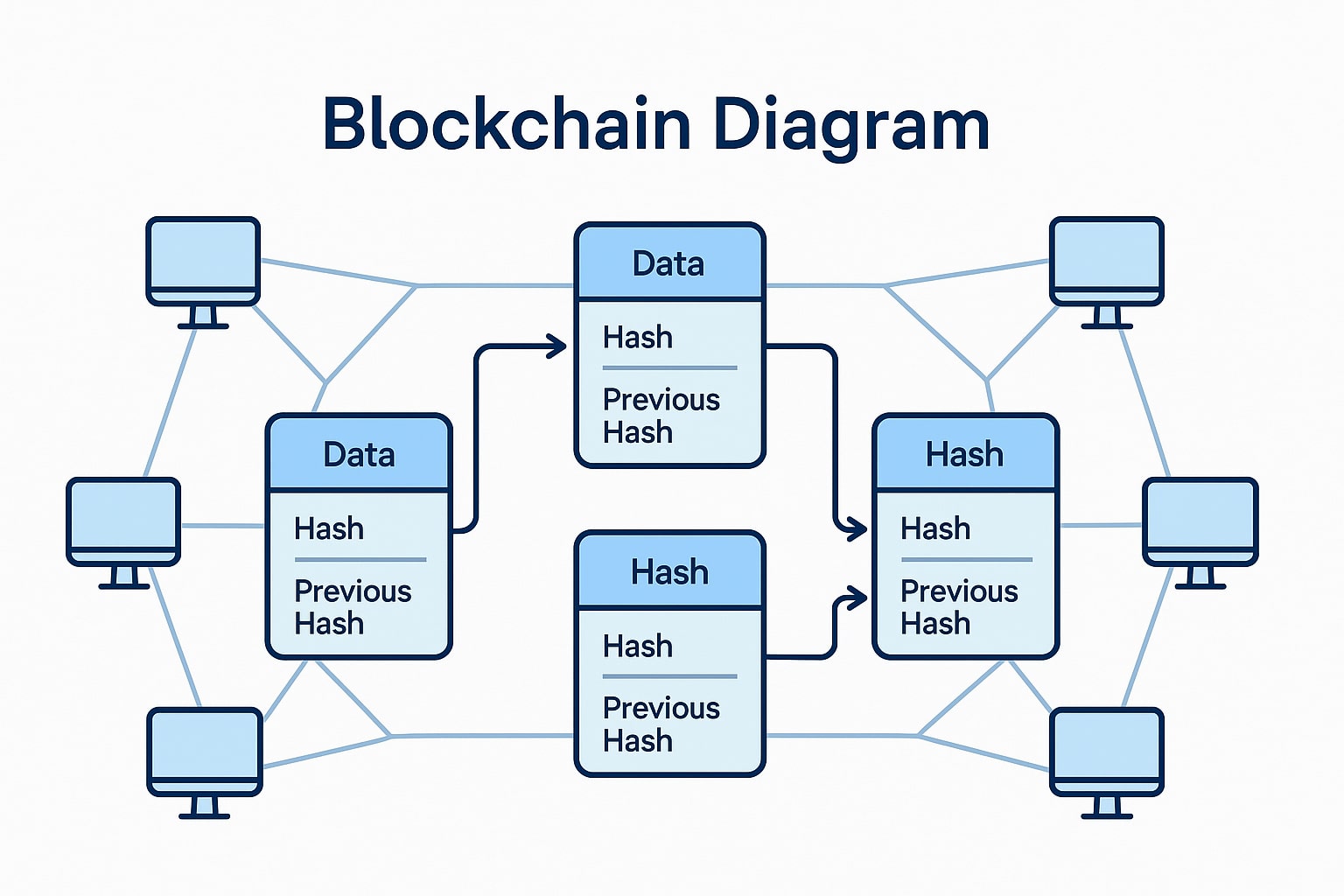
Public access creates another risk. Public smart contracts are open for interaction by everybody. Attackers scrutinize the code of the contract very closely. In case of any vulnerability, it will be discovered.
Testing is one method that can aid in the risk reduction process. It cannot completely eliminate all danger, but it does decrease the probability of a catastrophe happening.
What Smart Contract Testing Means
Smart contract testing means checking how a contract behaves in different situations. It looks at inputs, outputs, and internal logic. The goal is to confirm that the contract works as expected.
Testing usually happens before deployment. It runs on test networks or local environments. These environments copy real blockchain behavior but use fake tokens.
Testing also helps confirm business logic. This includes checking payment rules, permission checks, and value transfers.
Debugging is closely connected to testing. Testing finds the problem. Debugging explains why the problem happened.
Testing Versus Debugging Explained Simply
- Testing answers one main question. Does the contract work correctly.
- Debugging answers another question. Why did the contract fail.
- Testing involves running scenarios. Debugging involves examining errors.
- Testing often happens first. Debugging follows when a test fails.
Both are necessary. Testing without debugging leaves errors unexplained. Debugging without testing misses hidden problems.
Common Types of Smart Contract Testing
Usually smart contract testing is classified in different ways. Every category emphasizes a certain aspect of the contract operation. A single tests verify separate functions whereas multiple tests check along the lines of contract interaction, and security respectively.
The multi-testing method ensures that different types of issues are detected. A single contract may work nicely in isolation but can cause trouble when interfaced with other contracts. Testing categories play a role in raising such issues earlier.
Unit Testing Smart Contracts
Unit testing focuses on small pieces of a smart contract. Each function is tested by itself to make sure it behaves correctly. The goal is to confirm that the function produces the expected result when given different inputs.
For example, a function that sends funds should be tested with valid amounts and invalid amounts. It should allow correct transactions and reject incorrect ones. These tests help confirm that the contract logic is written correctly.
Unit testing is usually the first step in smart contract testing. It helps catch basic mistakes early before they affect other parts of the system.
Integration Testing
Integration testing is a method of checking the interaction of smart contracts among themselves. Different blockchain applications frequently consist of different but interacting contracts. There might be no issues with any one contract alone but still, the communication between the contracts might cause problems.
Integration tests recreate actual workflows. The tests monitor every stage of data transfer between contracts and check permissions and state changes thoroughly. These tests are conducted to make sure that the system as a whole is functioning correctly.
The majority of smart contract problems in the real world occur at the integration level. This explains why integration testing is a mandatory step prior to the deployment of the system.
Security Testing
Security testing focuses on protecting smart contracts from attacks. It checks whether attackers can misuse the contract by calling functions in unexpected ways or bypassing permission checks.
These tests often try to break the contract on purpose. They may simulate repeated calls, incorrect access attempts, or unexpected input values. The goal is to expose weaknesses before real attackers find them.
Security testing is usually done after unit testing and integration testing. At this stage, the contract logic is stable, and security risks can be examined more deeply.
Testing Environments for Smart Contracts
Smart contracts should never be tested with real funds. Testing environments are used instead to safely simulate blockchain behavior. These environments behave like real blockchains but use fake assets.
Local testing environments run on a developer machine. They allow fast testing and easy debugging. Test networks are shared public blockchains designed only for testing. They allow teams to simulate real world usage without financial risk.
Testing environments make it possible to run tests repeatedly at no cost. They also make it easier to inspect errors and understand failures.
Automated Testing Tools
A lot of developers depend on the use of automated testing tools to perform testing of smart contracts. Such tools conduct the execution of test cases automatically and provide the failures in a very clear way. Thus, it is the case that less time is consumed and the mistakes made by humans are also reduced.
When the testing is over it is possible to make the tests part of the development cycle over and over again. This is one good reason why developers favor using automated testing during the process of updates and improvements. It gives assurance that the newly introduced changes will not destroy the functioning of the old logic.
Automated testing guarantees a more stable contract during the development and transformation stages of the project.
Debugging Smart Contracts Step by Step
When a test fails, debugging is the next logical step to take. The main objective is to find out the reason for the failure and to provide a solution.
The first thing to do is to look at the error message. In many cases, error messages are quite informative and provide a very clear idea of the issues that have occurred. For instance, they may indicate that certain permissions are missing, that the values being used are invalid, or that certain conditions are not met.
Then, it is the time to look at the transaction logs. The records in the logs keep a history of the contract’s activities during the execution. They assist in identifying the values of variables and the paths taken in execution.
In addition to that, debugging also allows one to repeat the same test with slight variations. This practice is useful for pinpointing the exact cause of the issue.
Common Debugging Problems
Usually, some debugging issues come up with smart contracts. These problems, if not dealt with at an early stage, will frequently lead to uplanned failures.
Debugging problems that are typical are
- Transactions that fail when not all necessary conditions are satisfied
- Gas consumption mistakes where operations need more resources than anticipated
- Faulty logic like wrong comparisons or lack of validation
Debugging allows the detection of such issues before the contract gets live and monetary resources are at stake.
The Future of Smart Contract Testing
Smart contract testing continues to improve as new tools are developed. Automation is increasing, and some tools can now generate test cases automatically.
Artificial intelligence is also being explored. It may help detect unusual patterns and hidden risks. Despite new tools, careful testing will always remain essential.
Conclusion: Building Safer Blockchain Applications
One of the key steps in the process of developing a blockchain is to test and debug smart contracts efficiently.
Testing is the way to uncover the problems at an early stage. The debugging process will tell you the cause of the errors. The combination of the two will eliminate the risk and secure the users.
Smart contracts are in charge of handling assets worth a lot of money. Therefore, any error will incur a big loss. The application of unambiguous logic, extensive testing, and meticulous debugging works together to minimize the risks with blockchain implementations.
Frequently Asked Questions
How are smart contracts tested
Smart contracts are tested using test networks and automated tools that simulate real blockchain behavior.
Why is debugging smart contracts difficult
Debugging is difficult because contracts run automatically and cannot be easily fixed after deployment.
Can smart contracts be fixed after deployment
In most cases, smart contracts cannot be changed once deployed, which makes testing very important.
Summary
Testing and debugging of smart contracts are viewed as the most vital tasks in the development of blockchain-based applications that are secure and reliable. It is a common case that smart contracts would be immutable after the deployment hence, even negligence of a very small error could result in huge financial losses. The use of proper testing helps in the detection of such issues earlier on, thus ensuring that no real funds or users are affected.
There are several varieties of testing each having its own specific purpose. Unit testing is performed to check the individual functions, integration testing is done to make sure the contracts work correctly together and security testing is conducted to find out the weaknesses that attackers might exploit. Testing in a safe environment along with automated tools makes it feasible to perform these checks safely and repeatedly at no cost.
Debugging also plays a major role as it helps the teams know the reason for the failure of a contract and the way to fix it. The process of reading error messages, going through transaction logs, and doing small changes all help in locating the issues and making sure they do not get into production.
Blockchain projects can really minimize risk by adhering to consistent testing practices, being careful not to commit common mistakes, and pairing testing with the professional audits. Smart contracts that have undergone thorough testing and clear debugging are not only safer but also bring about stronger user trust and more stable blockchain applications.