



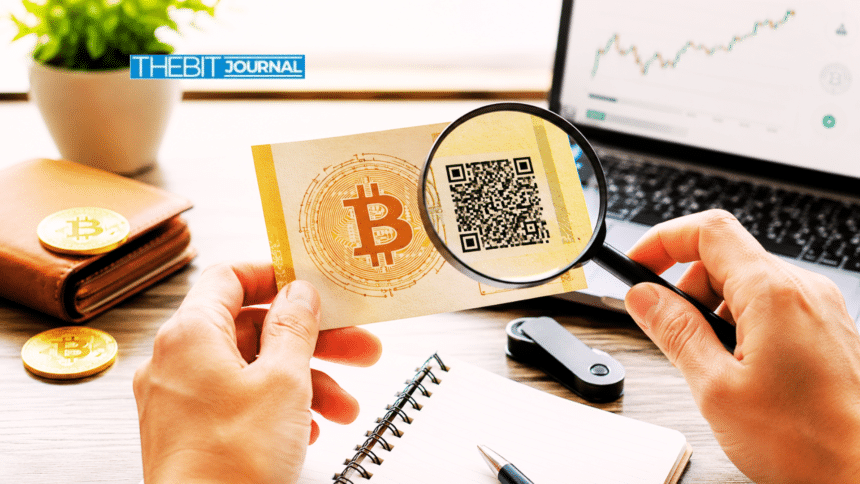

Bitcoin paper wallet is a legacy self-custody control record that stores a Bitcoin private key and its matching public address on paper. It does not hold Bitcoin inside the document. The Bitcoin network records the BTC balance, while the paper contains the secret information needed to authorize spending. The method became popular during Bitcoin’s early years when users searched for ways to keep private keys away from internet-connected devices.
Most paper wallets were created between 2011 and 2016, when hardware wallets were either unavailable or difficult for many users to obtain. Although modern storage methods have developed significantly, old paper wallets still exist in personal collections, safes, and storage locations. Some may still control Bitcoin if the private key remains secret, readable, and has never been exposed.
What is a Bitcoin paper wallet, and how do private keys control ownership?
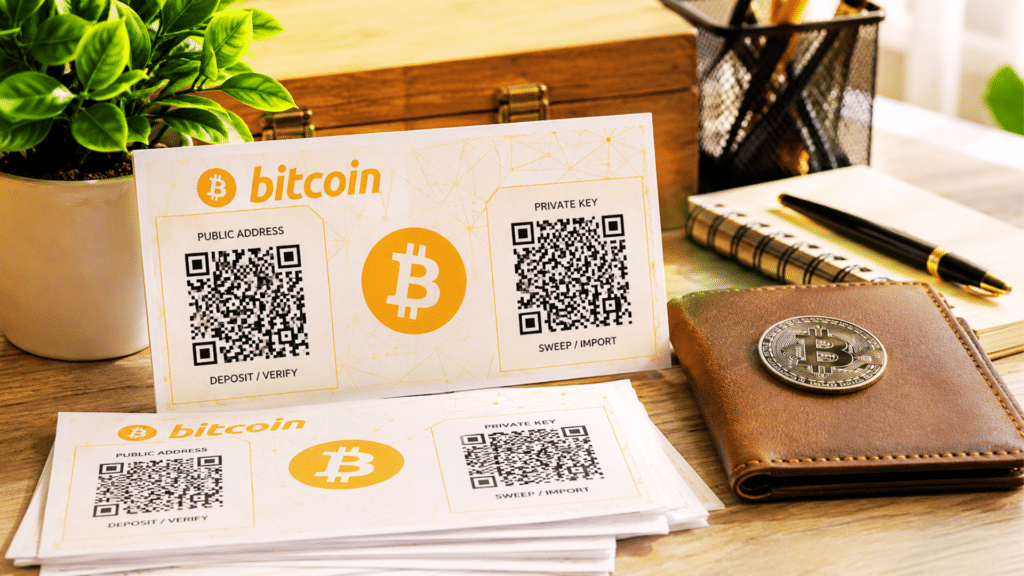
A Bitcoin paper wallet is a legacy self-custody method that works as a physical control record rather than a digital wallet. The paper itself does not contain coins. It stores the information required to prove control over a specific Bitcoin address. The public address allows users to receive Bitcoin and view blockchain activity. The private key allows transactions to be authorized.
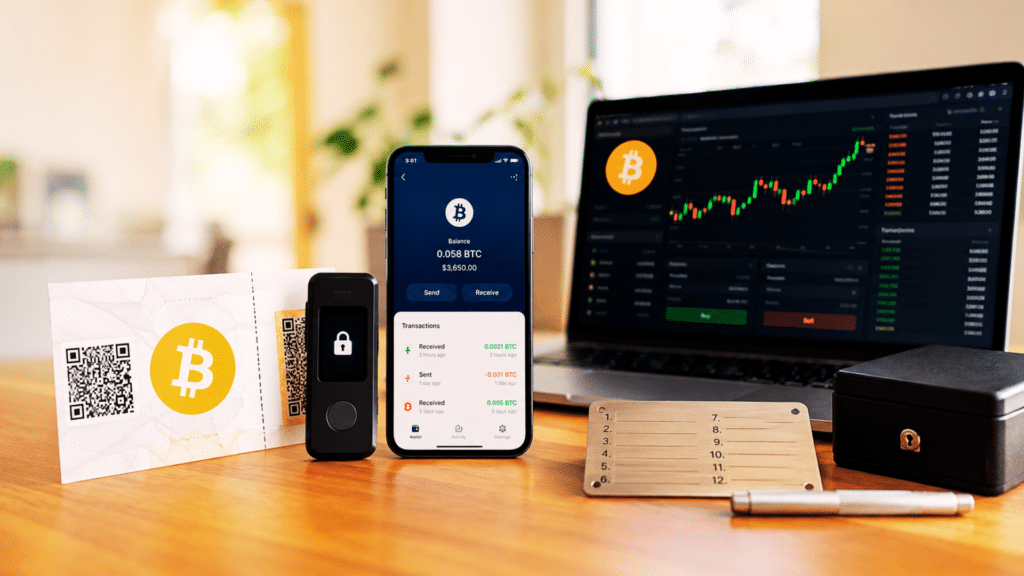
Since the private key controls access, anyone who obtains it may potentially move the Bitcoin linked to that address. The terms connected to Bitcoin storage are often misunderstood. A wallet address is public information that can be shared and checked through blockchain data. A private key is a secret code that gives spending authority and must remain protected. A public key helps generate and verify address information without revealing the private key.
A seed phrase is different because it is a recovery system used by modern wallets. It can generate multiple addresses and restore a complete wallet structure. A seed phrase written on paper is not the same as a traditional Bitcoin paper wallet because a paper wallet usually contains one private key linked to one address. QR codes also require careful handling. A QR code containing a public address can be used for viewing information, but a QR code containing a private key reveals access to the funds.
Why did Bitcoin users rely on paper wallets for offline storage?
Bitcoin paper wallets became popular because they provided a simple way to store private keys offline. During the period between 2011 and 2016, many users considered printing a key and storing it in a secure place a practical cold storage method. The approach reduced exposure to online attacks because the private key was removed from internet-connected devices.
Users could generate the key pair, print the details, and keep the paper away from digital threats. However, the method depended heavily on the user following every security step correctly. A compromised generator could reveal a key during creation. Malware on the computer used for setup could capture information. Printers could also create risks through stored print history or cloud print queues.
Physical protection was equally important. Fire, water damage, fading ink, and damaged QR codes could make recovery difficult. Paper wallets are now mainly considered a legacy storage and recovery method. Modern hardware wallets provide additional protection through dedicated devices and transaction verification features. Still, an old paper wallet can remain valid if the private key has stayed secure and readable.
How can users check a Bitcoin paper wallet balance safely?
A Bitcoin paper wallet balance can be checked without exposing the private key. The public Bitcoin address is enough to view blockchain activity connected to the wallet. Block explorers can display transaction history, confirmations, and unspent activity linked to a public address. Services such as Blockchair, mempool.space, and Blockchain.com allow users to check public information without accessing wallet control.
A balance check does not require a private key, seed phrase, BIP38 passphrase, or wallet password. Users should only use public information when checking activity. The public address, public address QR code, transaction ID, block details, and watch-only public information can be used safely. Private keys, private key QR codes, seed phrases, BIP38 passphrases, and wallet application passwords should never be entered for a simple balance check.
If a paper wallet contains two QR codes, users should identify which code represents the public address before scanning. When labels are damaged or missing, scanning without confirmation can expose the private key. A private key should be treated as exposed if it has been scanned, typed, photographed, copied, or pasted into software. Once that happens, the paper wallet should no longer be considered secure cold storage.
What is the safest way to recover Bitcoin from an old paper wallet?
Recovering funds from an old Bitcoin paper wallet usually involves sweeping or importing the private key. Sweeping creates an on-chain transaction that transfers Bitcoin from the old address to a fresh wallet address. Importing adds the old private key into wallet software. This can leave the funds connected to the original key and may create additional security concerns.
Before exposing the private key, users should prepare a new destination wallet. The receiving address should be checked carefully before beginning the recovery process. The safest recovery approach involves checking the public address first, selecting a wallet that supports private-key sweeping, preparing a fresh wallet address, verifying transaction details, reviewing network fees, and waiting for confirmation after broadcasting.
The device used for recovery should be clean. Users should avoid unnecessary browser extensions, screen-sharing programs, and clipboard syncing features. After the sweep is complete, the old address should not be reused. Since the private key has already been exposed to software or digital tools, it no longer provides the same offline protection.
Users should also consider change-output risks. When only part of a balance is spent from an imported key, remaining Bitcoin may move to another address depending on wallet behavior. This can create confusion if users expect leftover funds to remain at the original address.
What problems can affect old Bitcoin paper wallet recovery?
Old paper wallets can face several recovery challenges related to security, damage, and compatibility. A compromised wallet generator, infected recovery device, or unsafe printer process could expose the private key. Saved files, cloud printing systems, and printer memory can also create unexpected security risks. BIP38 encryption is another factor. It allows private keys to be protected with an additional passphrase.
This provides extra protection if the paper is found by someone else, but losing the passphrase can prevent access to the encrypted key. Older wallets may also use Wallet Import Format private keys. Some modern wallet applications may handle older formats differently. Compressed and uncompressed keys can create additional complications because older tools may produce different address formats from the same key material.
Fork-related assets can also create separate recovery questions. Users should secure their Bitcoin first and avoid entering private keys into unknown websites offering recovery services. Older Bitcoin Core instructions may not work on newer software versions because some legacy wallet functions have changed. Users should avoid random tools or sharing private keys when a recovery attempt fails.
How does a Bitcoin paper wallet compare with modern storage options?
Bitcoin paper wallet storage represents an earlier approach to self-custody. Modern storage options focus on improving security controls and reducing user mistakes. Hardware wallets keep private keys isolated on dedicated devices and allow users to verify transaction information before approval. Hot wallets provide convenience for regular transactions but remain connected to internet-enabled devices, increasing exposure to malware and phishing attempts.
Exchange custody provides access to trading services, but the platform manages the private keys. Seed phrase backups support modern wallets by restoring multiple addresses. They are different from traditional paper wallets because they represent a broader wallet recovery method rather than a single private key record.
The main difference between these storage methods is how private keys are protected and how transactions are approved. Paper wallets remain important for understanding Bitcoin history and recovering older holdings, but they require careful handling because the user manages every security step.
Conclusion
Bitcoin paper wallet remains an important part of Bitcoin’s early self-custody development. It provided users with a straightforward way to store private keys offline before modern hardware solutions became widely available. A paper wallet is a control record, not a vault. Its security depends on protecting the private key, maintaining the physical condition of the paper, and avoiding exposure during recovery.
Old wallets can still contain accessible Bitcoin if the key remains intact and confidential. However, scanning, typing, photographing, or pasting a private key into software changes its security status. For anyone discovering an old paper wallet, understanding the difference between public information and private control is the first step toward safe recovery.
Glossary
Bitcoin Paper Wallet: A paper backup containing a Bitcoin address and private key.
Seed Phrase: A set of words used to recover a crypto wallet.
Cold Storage: Keeping crypto offline to reduce security risks.
Block Explorer: A website that shows blockchain transactions and balances.
Wallet Sweep: Moving Bitcoin from an old wallet to a new one.
Wallet Import: Adding a private key directly into a wallet app.
Frequently Asked Questions About Bitcoin Paper Wallet
Does a paper wallet store Bitcoin?
No. The Bitcoin remains on the blockchain, while the paper stores the information needed to access it.
How can I check my paper wallet balance?
You can check the balance by entering the public Bitcoin address into a block explorer.
What is the safest way to recover Bitcoin from a paper wallet?
The safest method is usually to sweep the funds into a new wallet address.
Can an old paper wallet still hold Bitcoin?
Yes. It can still hold Bitcoin if the private key remains secure and readable.
What can make a paper wallet unusable?
Damage, faded text, lost passphrases, or an exposed private key can create problems.
Sources-