
For many first-time buyers, a crypto ATM feels like the easiest on-ramp because it replaces account creation with a simple cash transaction. What the kiosk does not always make obvious is the real price of that convenience. Rates can differ sharply from spot markets, verification thresholds can appear mid-flow, and cash-out machines often require extra steps before they release money. Understanding how a crypto ATM is priced and processed is the difference between a smooth purchase and a frustrating lesson.
How a crypto ATM works in the real world
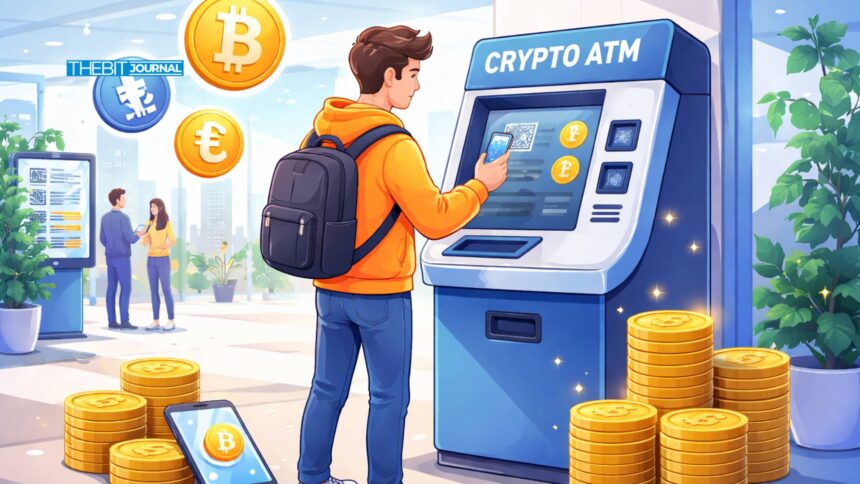
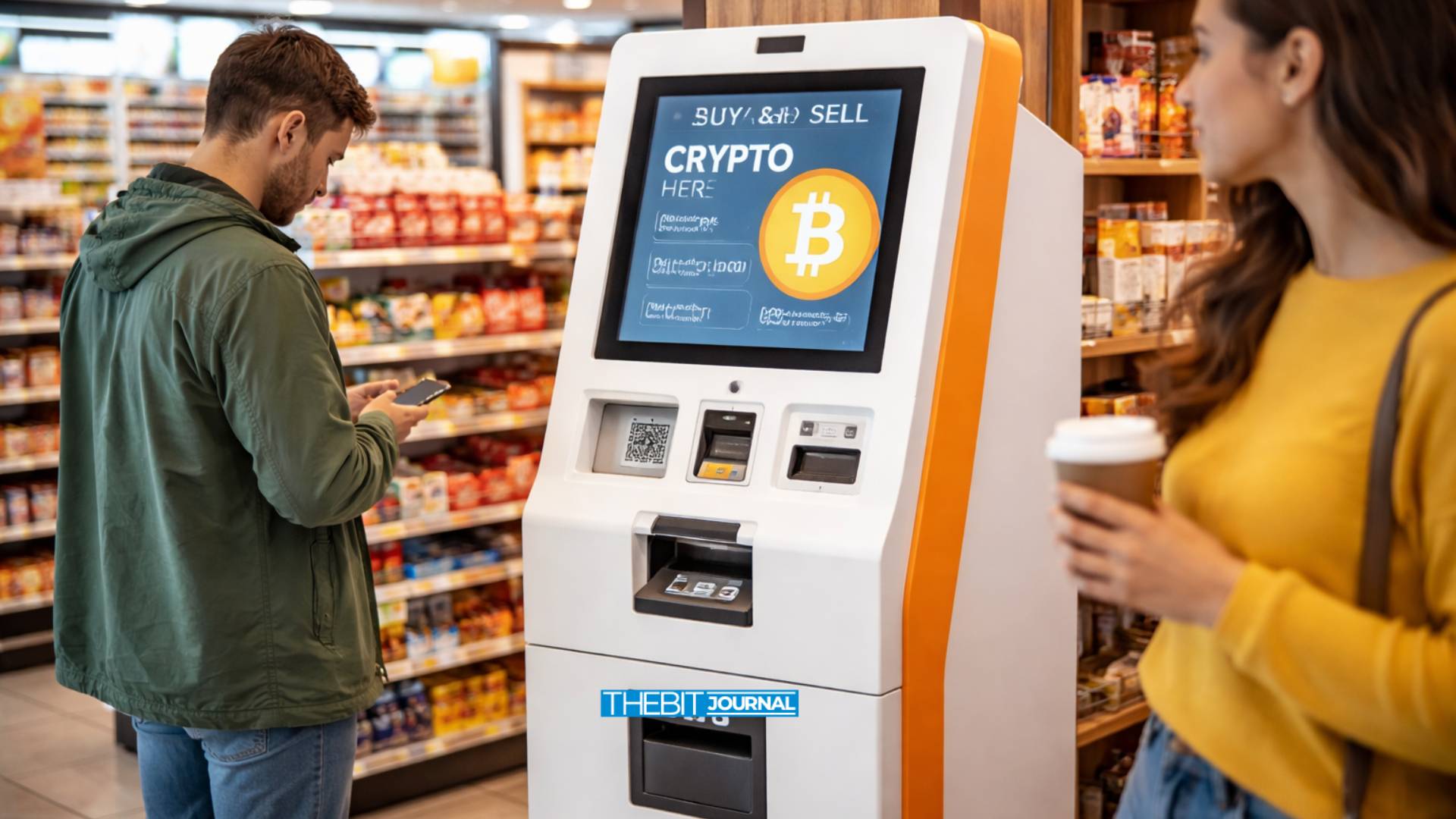
In simple terms, a crypto ATM is a retail kiosk that takes cash and delivers cryptocurrency to a wallet address. The customer selects an asset, scans a wallet QR code, feeds bills into a cash acceptor, and receives a receipt. Behind the screen, the operator routes the order through its own inventory or a liquidity partner, then broadcasts an on-chain transfer to the customer’s address once checks are approved.
Many first-time users meet the category through a Bitcoin ATM because Bitcoin remains the default asset for cash-to-crypto access. The machine is rarely a “vault of coins.” In most setups, the operator is managing inventory and hedging exposure while also meeting compliance expectations. That combination explains why pricing varies and why “instant” can mean “pending confirmation.”
What happens after the cash goes in
A kiosk sale is not complete until the blockchain acknowledges it. After the operator broadcasts a transaction, the wallet may show it quickly as pending, yet finality depends on confirmations. When networks are busy, low-fee transactions can wait longer. The receipt matters because it typically includes a timestamp and transaction details that can be checked later.
This gap between payment and confirmation is part of why a crypto ATM can be pricier than an exchange, because volatility risk exists between cash acceptance and settlement.
The pricing reality: fees, spreads, and the all-in rate
The most useful cost concept is the all-in rate. Some kiosks display a service fee, but the higher cost can be the spread between the quoted rate and the broader market price. In everyday use, the total cost can land in the 5% to 20% range depending on location, operator policy, and market conditions.
Comparing a Bitcoin ATM quote to a trusted spot reference at the same minute is a practical habit. When the rate looks far from spot, the customer is paying for immediacy and cash-based access. If the goal is turning cash into crypto quickly, the crypto ATM route can make sense, as long as the price is accepted knowingly.
Identity checks and limits: why rules feel inconsistent
Many customers assume cash means anonymity, as most operators use tiered verification. A low tier might involve a phone number and a one-time code. Higher tiers can require an identity document and a selfie match, and limits rise as verification rises.
Regulators have pushed the industry toward tighter controls. In August 2025, FinCEN issued a notice focused on convertible virtual currency kiosks and scam payments, describing red flags and typologies tied to this channel. Australia’s AUSTRAC has warned about scam and illicit activity tied to kiosk use and introduced minimum standards that include enhanced due diligence, mandatory warnings, and cash limits for providers.
Those actions flow into the user journey. A Bitcoin ATM in one city might allow small buys with light checks, while a Bitcoin ATM elsewhere might require ID earlier because local expectations and operator risk models differ.
Two-way machines: how to sell crypto and withdraw cash
Not every kiosk can dispense cash as the machines that can are typically two-way, and they bring extra complexity because the operator must manage cash inventory and confirmation risk. When a customer sells, the kiosk quotes a rate, then displays an address or QR code for the customer to send cryptocurrency to. After the operator sees the required confirmations, the machine releases cash or provides a redemption code.
Selling through a crypto ATM often takes longer than buying, because the operator is waiting for settlement assurance before handing out physical money. Verification requirements also tend to be stricter for cash-out, and some operators cap cash-out amounts or disable cash-out at certain locations when cash logistics are tight.

Why scam warnings are now common
Kiosks have become a favored tool in certain scam scripts because they convert pressured cash into irreversible crypto. Consumer advocates and regulators have pushed for stronger guardrails. AARP has highlighted the role of these machines in scam payments and notes that more U.S. states are pushing protections around warnings and refunds. )
A scammer typically creates urgency, keeps the victim on the phone, and directs the victim to scan a QR code that belongs to the scammer. That is why warnings, prompts about wallet ownership, and monitoring for third-party payments have expanded, including through the red flags described by FinCEN.
Key indicators that matter before any transaction
Pricing transparency matters first, because the quote is the deal. Verification clarity matters next, because rules should not change after cash is inserted. Settlement clarity matters because confirmations are not optional on public chains. Context matters too. A crypto ATM transaction suggested by a third party should be treated as high risk, because the scam pattern is documented by regulators and consumer advocates.
Conclusion
A crypto ATM can be a useful on-ramp and, in two-way form, a practical off-ramp. The trade-offs are real: higher all-in costs than most exchanges, inconsistent verification thresholds across jurisdictions, and settlement that still depends on blockchain confirmations. Regulatory attention has increased because scams and suspicious flows have used kiosks as a payment rail.
For many cash users, a crypto ATM is simply the shortest path from bills to a self-custody wallet, as long as the rate and the context are controlled. A Bitcoin ATM is best viewed as a convenience tool rather than a price tool. A Bitcoin ATM can also be a safer tool when the transaction is self-directed, calm, and based on a wallet the customer controls, with receipts saved and rates checked before cash is inserted.
Frequently Asked Questions (FAQs)
How does a crypto ATM deliver coins
A crypto ATM collects cash, completes required checks, and then triggers an on-chain transfer to the wallet address provided by the customer, with final settlement depending on confirmations.
Why does a Bitcoin ATM quote differ from market prices
A Bitcoin ATM quote often includes a spread and a service component that reflects cash handling, compliance overhead, volatility buffers, and liquidity sourcing risk.
Can crypto be sold for cash at a kiosk
A crypto ATM can support cash-out only if it is a two-way machine, and cash is usually released after confirmations and after the customer meets verification thresholds.
What should be kept after a kiosk transaction?
A receipt should be kept because it can include the quoted rate, timestamp, and transaction details that help with verification and support requests.
Are kiosks a common scam payment method
A crypto ATM has been highlighted by regulators and consumer advocates as a channel used in impersonation, extortion, and tech-support scams, which is why warnings and monitoring have expanded.
Glossary
Crypto ATM: A retail kiosk that facilitates cash-to-crypto purchases and, in some cases, crypto-to-cash sales, by sending assets to or receiving assets from a user-controlled wallet.
Bitcoin ATM: A kiosk typically focused on Bitcoin purchases, sometimes offering two-way cash-out, and operated with pricing, verification, and compliance policies set by the provider.
Spread: The difference between a kiosk’s quoted rate and the broader market spot price, often representing a major portion of total cost.
Confirmation: A blockchain validation step that increases assurance that a transaction is final, often required before cash-out.
KYC: Verification processes that can include phone checks or identity documents, used to meet compliance expectations and manage fraud risk.
Sources
Disclaimer:
This article is for educational information only and does not constitute financial, legal, or investment advice. Digital assets are volatile, kiosk transactions can be costly, and transfers can be irreversible.