




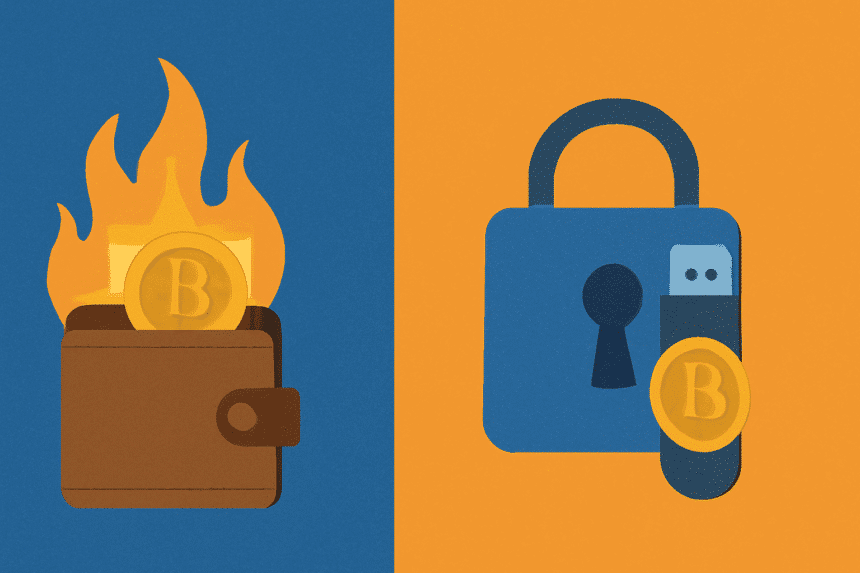

Security is at the top of the user concerns when handling cryptocurrencies. As more and more prominent thefts and hacks have demonstrated, understanding the various means of securing crypto assets is an absolute necessity.
Among the primary alternatives in front of cryptocurrencies users are the use of hot wallets and cold wallets. These two types of wallets possess some advantages and disadvantages, and the choice ultimately relies on the need and preference of the user and level of risk-taking of the user.
In this blog, we’ll go through the hot wallet vs cold wallet debate and outline which solution suits the specific use case best. Read on and take a closer look at the functioning of crypto wallets and why securing assets in a decentralized way is most important of all.
What Are Crypto Wallets?
Before the comparison of hot and cold wallets, let us get an understanding of what a crypto wallet is. A crypto wallet is an electronic device where virtual assets are stored, managed, and transferred.
Crypto wallets are of several types but are composed of a key pair: a private key (for signing of transactions and access to assets) and a public key (for receiving assets).
In most cases, crypto wallets are divided into two: hot wallets and cold wallets. The best way to separate them from each other is the means they use to access the internet and the level of security they offer.
How Hot Wallets Work
Hot wallets contain the secret keys to access your cryptocurrency either through a program or an internet site. They are used through a computer, cell phone, or browser and are convenient to access anywhere and anytime they’re needed to receive and send cryptocurrency.
The hot wallet convenience cannot be denied. They are simple to use and ensure quick access to crypto assets, which makes them best suited for traders who are active and who transact using crypto as a form of exchange. But such a constant internet connection has some threats attached to it.
The Pros and Cons of Hot Wallets: What You Need to Know
| Benefits of Hot Wallets | Drawbacks of Hot Wallets |
|---|---|
| Access: Hot wallets allow you to access and navigate your crypto assets at any point in time and from anywhere, given that the internet is at play. | Vulnerable: Risks of hacks, phishing, and malware infection are involved, specifically as hot wallets remain online. |
| Easiest: Usage of hot wallets is simple: sending and receiving cryptocurrency is fast, and it’s good for daily transactions. | Limited Safety: Hot wallets encrypt private keys; these keys will nevertheless be prone to access when compared with cold wallets, which keep them offline to provide additional safety. |
| Most Easy Setup: Quite frankly, setup for most hot wallets is effortless and pales compared to simply entering one’s email or phone number. | Losses: Chances for recovering lost funds trapped in the virtual world are almost meaningless when a hot wallet is hacked. |
Popular Hot Wallets
- MetaMask: It is an excellent browser extension wallet for Ethereum and other blockchains, as it is very easy to use and seamlessly connects with dApps.
- Exodus: Software wallet that holds a multitude of cryptocurrencies with an inbuilt exchange to allow for easy trading of assets.
- Trust Wallet: A mobile wallet that supports many cryptocurrencies and tokens, offering easy integration with
How Cold Wallets Work
Private keys stored in cold wallets exist offline on physical devices including hardware wallets and paper wallets. Hot wallets cannot attack these wallets because they remain disconnected from the internet. The owner must physically retrieve their private keys from the device or paper storage to initiate transactions.
Weighing the Pros and Cons of Cold Wallets
| Pros of Cold Wallets | Cons of Cold Wallets |
|---|---|
| Improved Security: The main advantages of using cold wallets include their ability to provide top-tier security because they remain disconnected from the internet.The lack of internet connection makes cold wallets highly resistant to hacking attempts and theft. | Less Convenient:Users need to invest additional time and effort to access funds stored in cold wallets compared to hot wallets. The need to physically connect hardware devices for access makes them less convenient than other options. |
| Long-Term Storage: Cold wallets function best as storage solutions for users who intend to hold their cryptocurrency for extended periods. Users who don’t require urgent access to their assets can store them safely in these wallets | Risk of Loss: The main drawback of cold wallets is the possibility of losing the physical storage device. Your cryptocurrency becomes permanently inaccessible when you lose either a hardware wallet through damage or theft or a paper wallet through destruction.. |
| Physical Control: The use of a cold wallet allows users to keep complete control over their private keys. The use of cold wallets decreases your dependence on third-party services because they operate independently from hacking threats and system outages | Needs Maintenance:sers must properly store and maintain their cold wallets to function correctly. Cold wallets require proper care because improper handling will result in damage or loss of the devices. . |
Popular Cold Wallets
- Ledger Nano S/X: Popular hardware wallets that offer high security for a wide range of cryptocurrencies.
- Trezor Model T: A hardware wallet known for its ease of use and top-notch security features.
- Paper Wallets: Often generated from websites like BitAddress, they are simple but highly secure when stored properly.
Hot Wallets vs. Cold Wallets: Which One is Right for You?
Choosing between a hot wallet and a cold wallet really comes down to the needs of use, level of security, and volume of cryptocurrency owned by an individual. Here’s a summary of these two options to guide the choice:
When to Use a Hot Wallet?
- Hot wallets serve users who need fast cryptocurrency access during their regular buying and selling activities.
- Hot wallets provide suitable security measures for users who hold small amounts of cryptocurrency.
- Hot wallets linked to crypto exchanges provide users with a convenient way to trade cryptocurrencies.
When You Should Use a Cold Wallet
- Long-Term Storage: Cold wallets are the best option for users who want to store their crypto assets securely over a long period without needing regular access.
- Large Holdings: When you have a huge amount of cryptocurrency, employing a cold wallet allows you to ensure the security of your assets against any online threat.
- High-Security Requirements: In case keeping your virtual assets safe and secure is most important, then cold wallets provide an additional level of security which hot wallets cannot provide.
Conclusion: Choosing the Right Wallet for Your Needs
The hot wallets vs cold wallets debate is more of a use case and not an absolute superiority. Hot wallets are ideal for people who need fast access to their digital assets and are usability-oriented. Cold wallets are ideal for long-term storage and security, and they are most popular among individuals who have deep holdings.
In the end, knowing the distinct benefits and dangers of every wallet type helps every user make wise choices regarding protecting their crypto investments. You may go for a hot wallet if fast transactions are involved or a cold wallet if ultra-security is needed, but the bottom line with cryptocurrencies is the need to keep your virtual assets safe.
Glossary of Key Terms
- Private Key: A private cryptographic key used to sign transactions and enable cryptocurrency to be used from a wallet.
- Public Key: A publicly shared key that allows others to send cryptocurrency to a wallet.
- Hardware Wallet: A physical device where private keys are stored off-line.
- Software Wallet: A program or computer program stored online by private keys.
- Phishing Attack: Cyber attack which involves hackers trying to steal confidential information by using fraudulent websites or emails.
- Malware: These are programs created to damage or steal data from a computing device, including wallets.
- Cryptocurrency Exchange: A platform that allows users to buy, sell, or trade cryptocurrencies.
- Decentralized: Describes networks or systems where a single party does not own them, like Bitcoin or Ethereum.
- Blockchain: A decentralized ledger system that underlies most cryptocurrencies.
- Cold Storage: The method of storing cryptocurrency private keys off-line to avoid unauthorized access.
Frequently Asked Questions(FAQs)
1.What is the safest method of cryptocurrency storage?
The most secure method is through a cold wallet, like a hardware wallet, stored offline and invulnerable to internet assaults.
2. May I use a hot and a cold wallet simultaneously?
Yes, they mostly use hot wallets for day-to-day transactions and cold wallets for storage purposes.
3. How do I reclaim money if I lost a cold wallet?
In the event of a hardware wallet, you have the ability to retrieve your money through a recovery phrase provided during the initial setup. In the event of a paper wallet, recovery is dependent on having a private key backup available.
4. Are hot wallets free?
Most hot wallets are free to use, although some may charge transaction fees for transfers.
5. Is a cold wallet completely secure?
While cold wallets offer higher security than hot wallets, they are not immune to theft if not properly stored. Physical security is key.
Content Brief Summary
This article provides an in-depth comparison of hot wallets and cold wallets together with their advantages and disadvantages and uses. It reveals crypto wallet security and the trade-offs among convenience and security. Addressed to blockchain fans, developers, and students of finance, the article emphasizes the importance of wallet choice in accordance with specific requirements such as regular use or secure storage.