



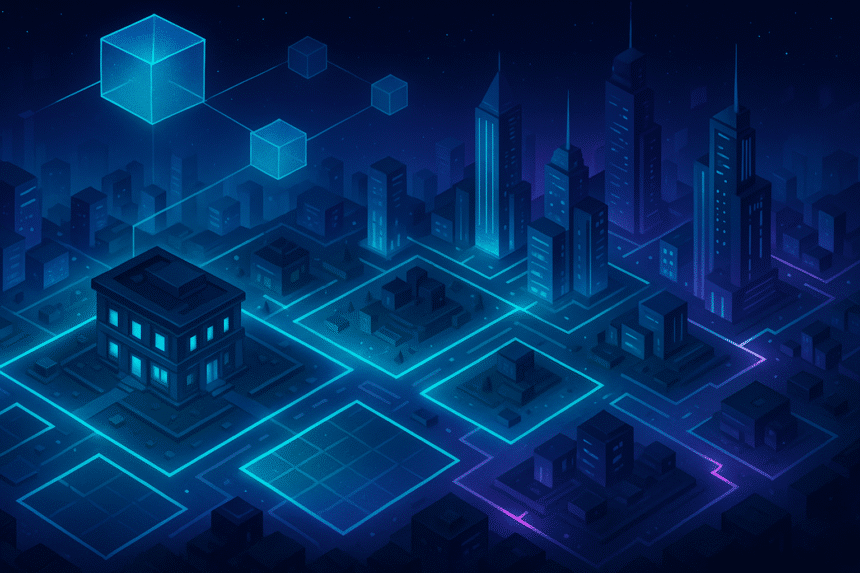

The idea of owning land inside a digital world sounds strange at first. Many people wonder why someone buys a piece of a place that cannot be touched. The metaverse changes the way land and property rights normally work. Digital land now becomes something people can own, sell, build on, and protect. This new type of property is growing fast in games and virtual environments.
The metaverse is made of 3D online spaces where people can walk with avatars. These worlds feel like a game but also work like real life for business, entertainment, and learning. Some platforms allow users to buy digital plots. These plots are limited in number. Each plot becomes a piece of the virtual economy. It connects millions of users through shared experiences.
Blockchain technology plays a big role here. The blockchain shows who owns each plot. It keeps digital records safe on many computers. Those records cannot be changed easily. No single company can remove the history of who bought what land. That is why blockchain is often called a trust system. People feel safer when ownership is protected on a public chain.
Metaverse land and property rights are still new. Many people are learning how they work. This blog keeps everything simple and easy to understand.
What Is Metaverse Land
Metaverse land is virtual property inside digital worlds. It is not like normal land in a city or farm. It only exists on the computer. The land is made from computer code. Platforms like Decentraland, Sandbox, Otherside, and sometimes Roblox and Fortnite have land features. Each piece of land is placed inside a map with coordinates. The number of land tokens is always limited. This makes them interesting for investors.
Metaverse land works like plots in a town. People can create buildings on the land. They can open virtual shops. They can make concerts and events. Some people rent out their land to brands. Others use it to show art or have fun with friends. Some land becomes valuable because many visitors come to that area.
Why Virtual Land Has Real Value
Virtual land gains value because of demand. Many companies and celebrities join the metaverse trend. They want space to build brand experiences. The more people enter a virtual world, the higher the land price goes. There is also a limited supply in most projects. People feel these digital plots might become important in the future.
How Digital Plots Are Mapped
Every plot has its own address inside the world. It uses digital location points. When someone buys a plot, the blockchain updates the record. The owner can use tools to build and change things on the plot.
How Blockchain Supports Property Rights in the Metaverse
Blockchain helps record who owns each land token. This removes control from one company. Ownership becomes permanent and clear. If a company closes servers, the land token still exists on blockchain as proof of purchase.
NFTs as Land Ownership Certificates
Every piece of metaverse land becomes an NFT. An NFT is a digital certificate. It is stored in a crypto wallet. The NFT proves ownership. It can also transfer to another person easily. Even if two pieces look the same, each NFT stays unique.
Smart Contracts and Security
Smart contracts protect the rules. They control how land transfers from one owner to another. Rules are written into the blockchain system. Nobody can change records later.
Here is a small table that explains the difference in ownership systems.
| Feature | Centralized Servers | Blockchain |
| Control | Company fully controls records | Public records shared across many computers |
| Ownership Safety | Data may be changed or deleted | Permanent records cannot change |
| Transparency | Limited | Very high |
| Transfer of Property | Often slow and restricted | Fast transfer through crypto wallets |
Blockchain gives digital property stronger safety.
Why People Buy Virtual Real Estate
Metaverse land has many uses. People treat it like real world land. Some buy land early to sell later at profit. Others create digital spaces for visitors.
Business Uses
Brands and companies buy land to place their own stores. They can show products in 3D. They can make live music events or display advertising screens. Visitors can explore the shop and maybe buy real or digital items.
Many fashion brands like Nike and Adidas already build virtual showrooms. Music artists build concert areas. Sports clubs build fan places where games are watched in groups.
Personal Uses
Some people enjoy building their own virtual home. They can meet friends and have digital parties. They can play games together. It becomes a fun hobby. It helps with connection when people live far apart.
Legal Challenges of Metaverse Land Ownership
The law is not clear about digital land. No country has perfect rules yet. Many questions still exist.
Terms and Conditions Control
Even if the land NFT is owned by someone, the virtual world owner still controls rules inside the platform. They can change features or block areas. So land ownership is not always full control.
No Global Law Yet
Property rights come from government systems in the physical world. Governments do not fully manage digital plots yet. Taxes and legal protection are still being studied. The rules will change as more people invest.
Below is a table showing common risks and the role blockchain plays.
| Risk | How Blockchain Helps |
| Fake land sale | Public records confirm real ownership |
| Data loss | Records remain safe on multiple nodes |
| Ownership dispute | Smart contract shows true owner |
| Platform shutdown | NFT still owned outside the world |
Lawyers and governments are working to catch up with the new technology.
Who Controls Property Rights in the Metaverse
Property inside the metaverse is controlled by platforms and also sometimes by communities.
Platform Ownership vs Real Ownership
The land NFT gives ownership rights to the buyer. But the platform controls the land environment. So complete control is shared between owners and platform developers.
DAO Land Voting
Some metaverse worlds use DAOs. A DAO is a decentralized organization. Landowners can vote on changes. This gives owners a stronger voice in decisions. It brings real democracy to digital space management.
Buying and Selling Metaverse Land
Digital land can be purchased through crypto. Marketplaces allow land trading. OpenSea is popular for buying NFTs. Some land is bought directly in the platform.
How Prices Change
Prices rise when more people want to live near a busy area. For example, land near a popular brand store becomes more expensive. Same as near a famous landmark in a real city.
Transaction Example
A normal land buying process looks like this. A person selects a plot. The smart contract confirms the token. The crypto payment is sent. The blockchain switches the land NFT to the new owner wallet.
These steps are simple for people who understand crypto tools.
How Property Taxes and Rights Might Change in the Future
Governments want fair rules. They need taxes for digital sales. In the future, digital land could become part of regular property law. Smart contracts may auto collect taxes. New rights for digital housing protection could form. The world is changing fast. Real estate might move into the metaverse completely in some cases.
Many experts think digital land can be used for city planning tests. Virtual twins of real cities are now made. These digital copies help plan new roads and building ideas. This could become normal soon.
Is Metaverse Land Safe
Owning metaverse land is safer with blockchain. The owner always has the land token stored. But scams still exist. Fake listings can trick users. So people must verify land token IDs on blockchain explorers. It helps confirm real land ownership.
Security grows better every year. Teams update tools. Fraud becomes harder. Still, there is always risk in new technologies. Basic research can prevent most problems.
Conclusion
Metaverse land is no longer just a simple game feature. It becomes part of the future economy. Blockchain makes ownership possible in a safe way. People can show proof of digital property through NFTs. The metaverse may someday work almost like the real world. Shops, homes, and events could live inside both spaces. Property rights will continue to grow and change with new laws.
The world is moving toward a more digital future. Understanding metaverse land today helps people get ready for tomorrow. Buying virtual plots may feel new, but years later, it might feel normal. The metaverse is growing every day, and land ownership plays a big role in shaping what comes next.
Frequently Asked Questions
What is metaverse land
Metaverse land is a piece of virtual property inside online 3D worlds. It lets users build houses, stores, games, or event spaces. Each land plot exists only digitally but still has value because it can be owned and developed.
How does blockchain protect land ownership
Blockchain technology stores digital land ownership records across many computers instead of one server. This makes the records permanent and tamper proof. No one can secretly change or delete who owns the land.
Can virtual land be sold
Yes. Metaverse land is usually turned into NFTs. These NFTs can be bought or sold on marketplaces using cryptocurrency. When the land sells, the blockchain updates the new owner automatically.
Is metaverse land considered real property
Metaverse land is not physical like a house or a farm. However, it is treated as a real digital asset because ownership can be proven, transferred, and protected. Many investors view it as a new type of real estate.
Can laws protect metaverse land
Legal protection for digital property is still growing. Some regions are studying how taxes, consumer rights, and property rules apply to virtual land. More clear laws will likely appear as the metaverse becomes more common.
Summary
Metaverse land is digital property inside 3D online worlds where users can build and explore. These plots are owned through the blockchain, which keeps records safe and clear. Each land parcel is an NFT that proves ownership and can be sold or rented. Many people and companies buy virtual land to create shops, games, or events because visitors can interact in new ways.
Property rights in the metaverse are still growing. There are questions about laws, taxes, and platform control. Even though the land is not physical, it still has value. Ownership can be protected on blockchain systems that do not lose records. The future will bring stronger rules and more real world uses for digital real estate.
The metaverse is expanding fast. Understanding how land ownership works today helps prepare for a world where digital and physical life become connected.