




The Rise of Digital Assets: Why Beginners Are Drawn In
Cryptocurrency is no longer considered a fringe project. Today, it is a trillion-dollar sector that draws students, developers, institutions, and international investors. For newcomers, the question is not whether to study cryptocurrencies, but rather how to invest in cryptocurrency intelligently.
This new asset class offers large returns, but it also involves volatility and danger. Worldwide adoption has increased by more than 880% since 2020, indicating that digital assets have joined the financial mainstream.
Learn How to Invest in Cryptocurrency Safely
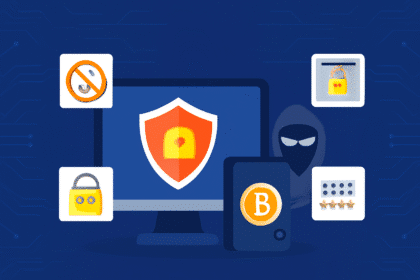
Safety is still the first step for each new investor. The cryptocurrency market functions differently than traditional finance, with no central authority to correct errors. Elliptic’s 2023 analysis indicated that billions of dollars were lost due to hackers and frauds, emphasizing the importance of effective risk management.
Security starts with wallets: hot wallets are more accessible, whilst cold wallets provide better security against cyber-attacks. Exchanges must also be carefully selected, with a preference for platforms registered under robust regulatory frameworks such as the EU’s MiCA or US SEC-compliant exchanges.
Investors are recommended to use two-factor authentication, hardware wallets, and careful transaction methods. “Always double-check wallet addresses before sending funds,” said blockchain analysts in a new Binance Academy study, emphasizing the irreversibility of blockchain transactions.
Choosing the Right Coin: Beyond the Hype
For newbies, learning how to invest in cryptocurrency entails more than simply buying what is popular on social media. Bitcoin remains the leading player, representing digital gold and accounting for more than half of the market valuation. Ethereum, with its smart contracts and decentralized apps, is frequently the second option among novices. Stablecoins, such as USDT and USDC, are used to protect capital during tumultuous times.
Long-term investors, on the other hand, should focus on fundamentals such as tokenomics, developer engagement, and real-world use cases. Assets with high usefulness, liquidity, and institutional support frequently yield better long-term returns than short-lived meme tokens.
Creating a Beginner-Friendly Digital Asset Portfolio
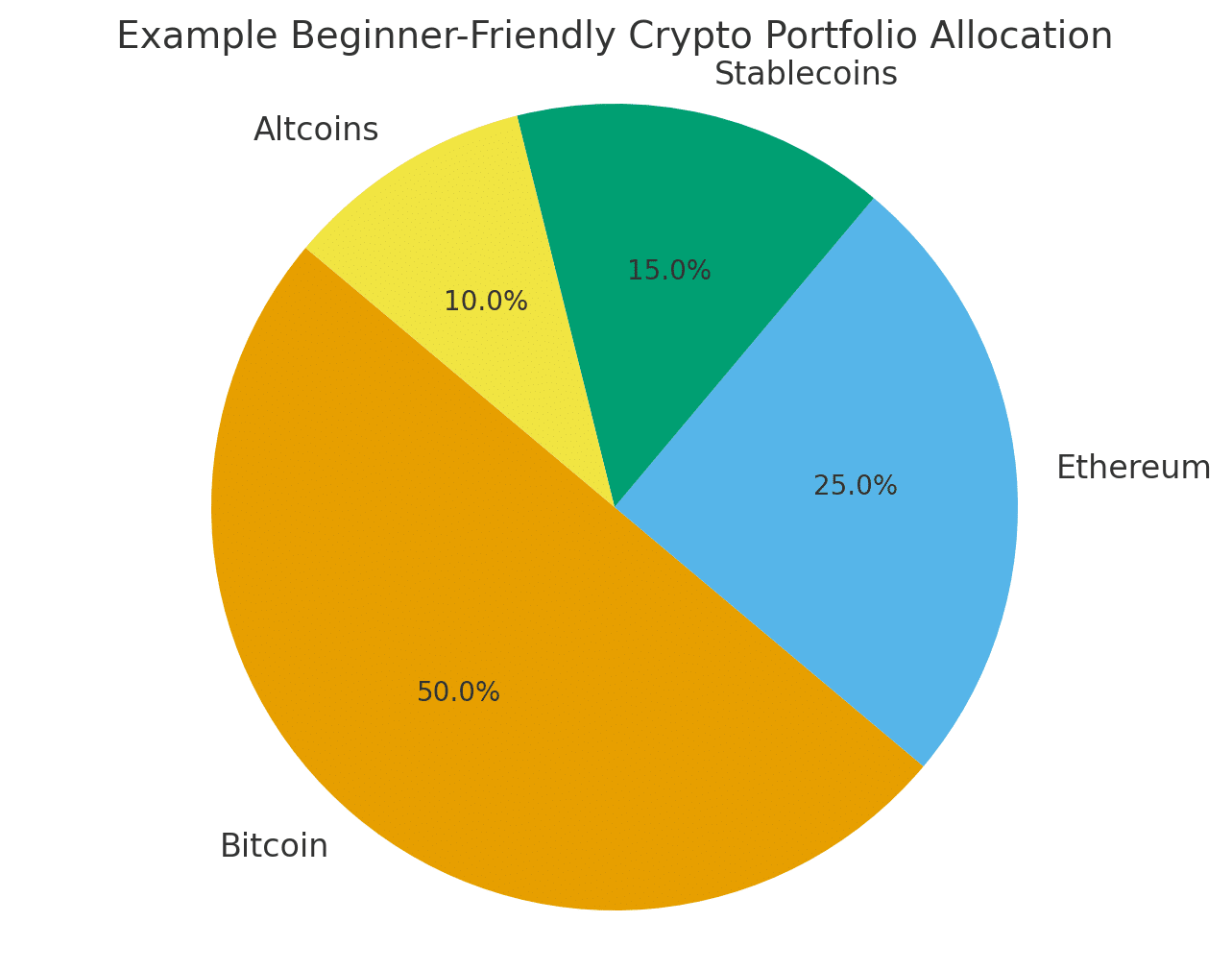
The most effective starter portfolios strike a balance between exposure and stability. Experts recommend starting modestly, with no more than 5-10% of total investable money. A diversified structure may include a majority interest in Bitcoin and Ethereum, as well as minor stakes in established altcoins like as Cardano, Solana, and Avalanche.
Dollar-Cost Averaging (DCA) is extensively used to mitigate the effects of volatility. Investing set sums at regular times allows investors to develop long-term positions without relying on market timing. A 2022 Fidelity analysis found that DCA outperformed lump-sum investment in unpredictable crypto markets, highlighting its appeal to newcomers.
Understanding Key Indicators in Cryptomarkets
To win in cryptocurrency, investors must monitor key signs. Market capitalization measures a coin’s entire size and potential. Trading volume demonstrates liquidity, or how quickly assets can be purchased and sold. Price volatility assesses risk, whereas the Relative Strength Index (RSI) indicates overbought or oversold circumstances.
On-chain data, available via explorers like as Etherscan, gives more in-depth information. Metrics like active addresses, transaction count, and staking involvement represent true network health. According to Glassnode data, growing wallet activity frequently predicts price rises, making it a useful tool for investors.
Regulation and Risks of How to Invest in Cryptocurrency
Cryptocurrencies operate in a worldwide yet fragmented regulatory landscape. The SEC in the United States is still debating token categorization, while MiCA legislation in Europe aims to provide investors with certainty. Inconsistent rules have the potential to alter asset pricing and access. Beginners should be aware of tax rules, as digital asset gains are taxed in most jurisdictions.
Risk isn’t only about regulation. Volatility remains high, and speculative investments might fall rapidly. Smart contracts, while clever, have flaws. In 2022, a single DeFi exploit cost over $600 million, highlighting the significance of audits and risk management.
Case Studies: Success and Failure in the Cryptomarket
History provides vital lessons. Early Bitcoin users who persevered through numerous downturn markets made significant returns. Meanwhile, speculative investors following hype coins frequently suffered significant losses. One of the worst collapses came when Terra fell in 2022, wiping out billions of dollars in investor cash. These examples demonstrate the value of discipline, investigation, and prudence while learning how to invest in cryptocurrency.
The Future of Beginner Investing in Digital Assets.
With institutional funds pouring in, ETFs gaining momentum, and worldwide use picking up, digital assets are unlikely to disappear. For newbies, the potential resides in mastering the foundations, implementing safety precautions, and seeing cryptocurrencies as a long-term investment. Analysts anticipate more integration of blockchain with banking, trade, and perhaps government systems.
The market may remain unpredictable, but disciplined tactics may turn cryptocurrency from a risky investment into a structured, inventive portfolio component.
This post is intended for informative purposes only and does not provide financial advice. Readers should do their own research before making any investing decisions.
Glossary of Key Terms
Blockchain: A decentralized ledger that records transactions securely.
Wallet: A digital tool for storing and managing cryptocurrency.
Stablecoin: A coin pegged to fiat currency for price stability.
Market Capitalization: The total value of a cryptocurrency in circulation.
DCA (Dollar-Cost Averaging): An investment method of buying fixed amounts regularly.
On-Chain Data: Real-time blockchain statistics that measure network health.
Tokenomics: The economic design of a cryptocurrency, including supply and incentives.
Frequently Asked Questions for how to invest in cryptocurrency
1. What is the safest way that how to invest in cryptocurrency?
The safest way involves regulated exchanges, hardware wallets, and small, diversified allocations.
2. How much money should a beginner invest?
Experts suggest no more than 5–10% of investable wealth to limit exposure to volatility.
3. Which cryptocurrency should beginners buy first?
Most analysts recommend Bitcoin and Ethereum due to their liquidity, adoption, and use cases.
4. What tools help analyze cryptocurrency?
Blockchain explorers, trading platforms, and on-chain analytics services like Glassnode and Messari provide valuable insights.
5. How are crypto investments taxed?
Most jurisdictions treat crypto as taxable assets. Rules vary by country, so investors should consult local tax authorities.