




A Putin advisor has accused the United States of attempting to leverage cryptocurrency and gold markets to reduce its mounting $35 trillion debt burden.
In the final press statement of the Eastern Economic Forum in Vladivostok, Putin advisor Anton Kobyakov, who is also the Deputy Chairman of the Organizing Committee of the Eastern Economic Forum, stated that the U.S. is actually rewriting the rules of world finance to build trust in the dollar again.
Putin Advisor Criticizes U.S. Debt Strategy
The U.S. has begun to rewrite the rules of the gold and cryptocurrency markets. Kobyakov recalled the extent of their debt 35 trillion dollars, which was translated by Russia Direct. These two domains are purely alternatives to the traditional global currency system.
Putin’s advisor Kobyakov: The U.S. has devised a crypto scheme to erase its massive debt at the world’s expense.
“The U.S. is now trying to rewrite the rules of the gold and cryptocurrency markets. Remember the size of their debt—35 trillion dollars. These two sectors (crypto… pic.twitter.com/R4RDeYtaGg
— Russia Direct (@RussiaDirect) September 8, 2025
These actions of Washington indicate one of the primary aims: to actively respond to the depreciation of trust in the dollar.
The Putin advisor claimed that the US might be able to transform the debts into stablecoins and then artificially deflate them. In other words their currency debt is 35 trillion, they will transfer it to the crypto cloud and will devalue it and begin anew, he said. That is the truth of people who are so eager about crypto.
U.S. Debt Crisis Fuels Crypto Speculation
The comments by the Putin advisor are made as the increasing speculation is being made that the swelling debt crisis in America may strengthen the cryptocurrency markets. Coinbase CEO Brian Armstrong proposed earlier this year that the declining credibility of the dollar could hasten the transition of Bitcoin as the global reserve currency.
Meanwhile, U.S. policymakers have done so to incorporate the stablecoins into the financial system. In July, the President Donald Trump put his signature on the GENIUS Act that establishes a regulatory framework on the issuance and trading of stablecoins.
Also read: U.S. Passes Historic GENIUS Act, Making Stablecoin Regulation Federal Law
Treasury Secretary Supports U.S. Dollar Supremacy
One more argument is made by Treasury Secretary Scott Bessent, who believes that digital assets may support the U.S. monetary supremacy instead of undermine it.
Russia, however, itself is considering digital currency projects, despite the criticism of the Putin advisor. The state media announced in July that a state-owned weapons producer is designing a ruble-based stablecoin to roll out on the Tron blockchain.
Although Moscow prohibited the payments of cryptocurrencies in 2022, it has since softened its approach to digital assets in the international trade.
Russia Central Bank Proposes Crypto Access
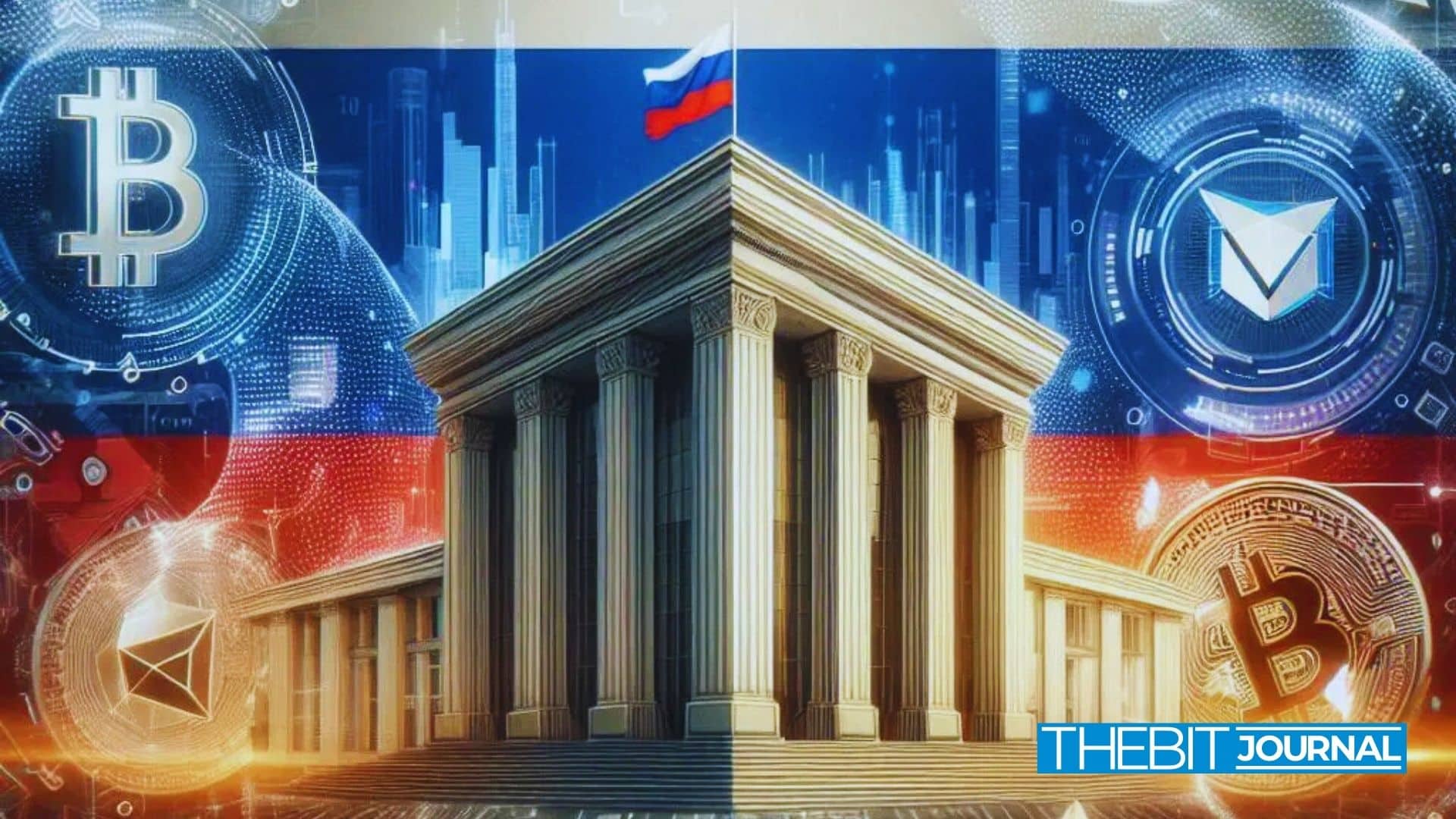
In a move earlier this year, the central bank of Russia suggested that wealthy people would be able to purchase and sell cryptocurrencies as a wider measure to circumvent Western sanctions.
The remarks of the Putin advisor are an indication of the rising geopolitical tensions because the two countries (Washington and Moscow) are hoping to utilize the emerging financial technologies to their benefit.
As the U.S. debt pressures increase and Russia draws nearer to the adoption of a stablecoin, the significance of digital assets in international power politics is only going to expand.
Also read: Russia vs. U.S.: How The Race to Rule Bitcoin Mining Is Heating Up
Conclusion
Based on the latest research Putin advisor Anton Kobyakov’s remarks underline how digital assets are increasingly tied to global power struggles. As Washington experiments with stablecoins and Moscow pushes toward a ruble-backed alternative, cryptocurrency’s role in reshaping economic influence and addressing national debt challenges is set to intensify.
For more expert reviews and crypto insights, visit our dedicated platform for the latest news and predictions.
Follow us on Twitter and LinkedIn, and join our Telegram channel to be instantly informed about breaking news!
Summary
At the Eastern Economic Forum, Putin advisor Anton Kobyakov accused the U.S. of using crypto and gold to reduce its $35 trillion debt, warning Washington could shift liabilities into stablecoins and devalue them. As U.S. officials claim that the digital assets could reinforce the dollar supremacy, Russia is also considering the stablecoin projects, although it previously banned them. Both countries are beginning to consider cryptocurrency as a strategic and global financial and geopolitical competition.
Glossary of Key Terms
Putin Advisor – Senior aide to Russian President Vladimir Putin.
Eastern Economic Forum (EEF) – Annual business event in Vladivostok focused on Asia-Pacific cooperation.
Anton Kobyakov – Putin advisor and Deputy Chairman of the EEF committee.
U.S. Debt – America’s federal debt, now around $35 trillion.
Gold Market – Global trade system for gold as an asset.
Stablecoin – Crypto pegged to stable assets like the dollar.
Global Reserve Currency – Main currency used worldwide, currently the U.S. dollar.
GENIUS Act – U.S. law creating stablecoin regulations, signed in July 2025.
Scott Bessent – Current U.S. Treasury Secretary supporting crypto adoption.
Ruble-Backed Stablecoin – Russian digital coin tied to the ruble.
Tron Blockchain – Platform chosen for Russia’s ruble stablecoin.
Crypto Payments Ban – Russia’s 2022 ban on using crypto for payments.
FAQs fpr Putin Advisor Criticizes America
Q1: What did the Putin advisor say?
He accused the U.S. of using crypto and gold to reduce its $35 trillion debt.
Q2: How might the U.S. handle its debt?
By shifting it into stablecoins and devaluing, according to Kobyakov.
Q3: What role do stablecoins play?
They’re used to manage debt and support dollar supremacy.
Q4: What is Russia’s crypto stance now?
After banning payments in 2022, it’s exploring stablecoins and limited crypto access.