
This article was first published on The Bit Journal.
Blockchain is extending beyond just cryptocurrencies and DeFi to bring about changes in traditional markets, including trade finance, which is an important part of the global economy.
Trade finance supports the movement of goods and services across borders, but has been impeded by slow paper-based procedures and lack of liquidity today.
Small-sized and medium-sized enterprises (SMEs) have difficulty obtaining the necessary credit and with a global trade finance gap estimated at $2.5 trillion the problem is set to continue.
Blockchain addresses numerous structural issues by digitalizing trade documents, tokenizing trade assets and resulting in faster settlement, greater transparency and better access to capital.
Recent legal and regulatory developments from the UN’s Model Law on Electronic Transferable Records (MLETR) to U.S. GENIUS Act have dismantled long-standing barriers and opened the way for widespread uptake, putting blockchain trade finance at the forefront of real-world opportunities in digital finance this year.
Why Trade Finance Has Lagged Behind
For decades, trade finance has supported global commerce, enabling the transactions that help drive the world’s economic machinery. But the old and typical trade finance is still anchored in manual, paper-heavy processes that require at least a handful of intermediaries, including banks, insurers, carriers, and customs agents.
These non-digital workflows can take weeks to clear and are subject to errors, duplication and fraud. The trade finance gap, which the Asian Development Bank estimates at about $2.5 trillion in 2023, particularly affected small and medium-sized enterprises in emerging regions with limited credit access and administrative friction.
This is inefficient, slowing the wheels of commerce and it also constrains economic growth and employment. Small exporters that can’t get financing miss contracts or postpone production, limiting the development of supply chains and decreasing global economic inclusion.
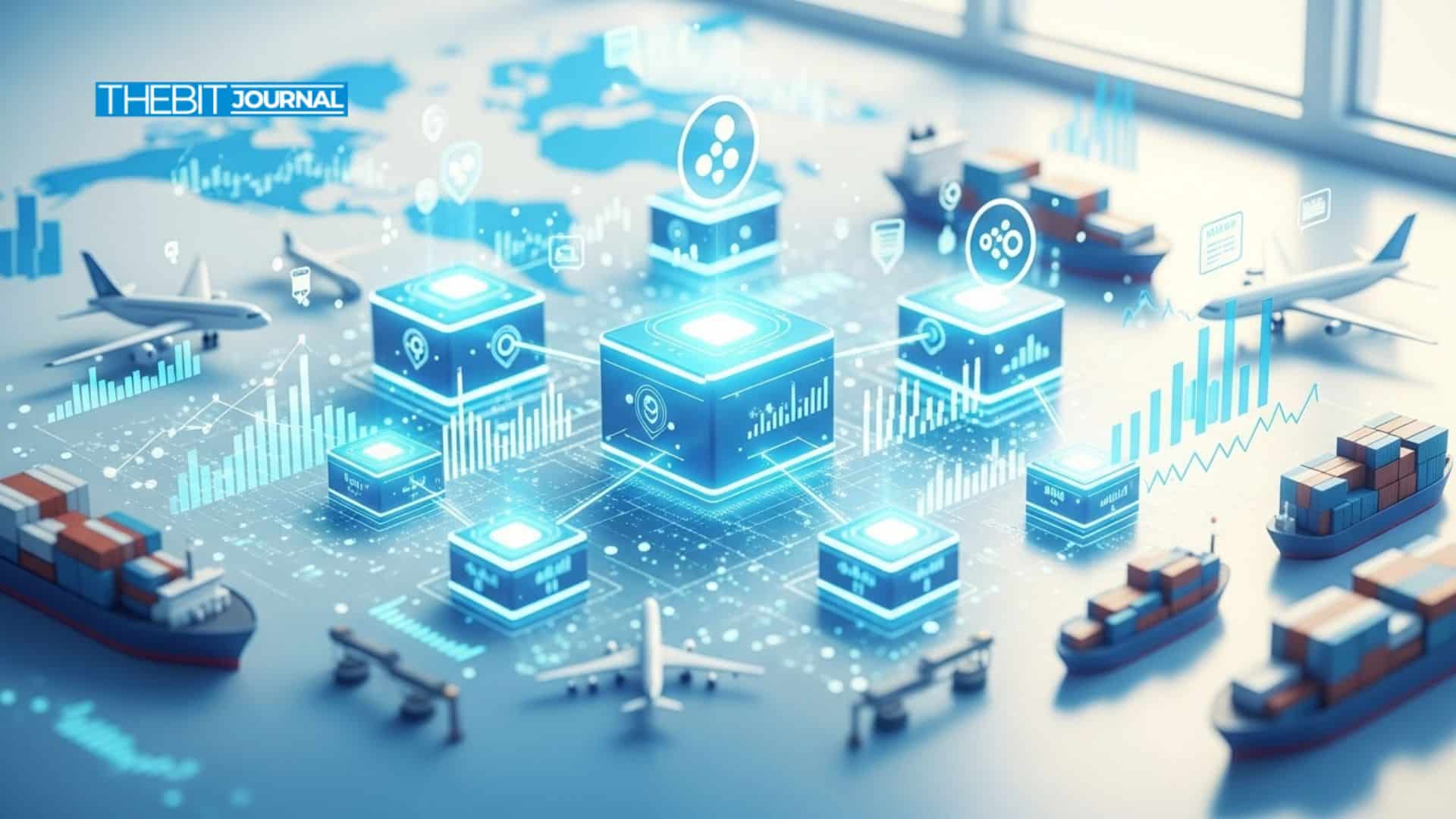
Eliminating Inefficiencies In Global Trade With Blockchain
Blockchain technology changes the trade finance industry by automating processes and putting them onto a digital but tamper-proof platform. This makes the use of Distributed ledger technology (DLT) for such activities a constant since DLT records actions on an immutable ledger, meaning that every action from issuing an invoice to confirming shipment is time-stamped and visible to all authorized participants in real time.
Settlement and compliance checks can be automated by smart contracts, with settlement times dropped from weeks to hours.
In the world of trade finance, important documents such as letters of credit, bills of lading, and invoices could be stored on-chain to minimize middlemen and fraud risk.
A single source of truth minimizes disputes and enables faster reconciliation throughout the ecosystem. By automating them, blockchain also minimizes overhead costs and inefficiencies while increasing transparency and auditability.
Most importantly, trade transactions on blockchain can be cleared globally, without the inefficiencies of paper-based systems; cross-border trades also execute with greater reliability and lower cost.
Tokenization: Turning Trade Assets into Liquid Digital Instruments
Tokenization builds on the digital foundation of blockchain; transforming trade assets (e.g. invoices and receivables) into tradable digital tokens on distributed ledgers.
The ownership or claim on real-world value represented by these tokens is fractionable, transferable and instantly settled. This fractionalization allows access to a global audience of investors who weren’t otherwise able to participate due to investment requirements and jurisdictional constraints.
The practical impact is substantial. An invoice of $100,000 could be broken into 100 digital tokens of $1,000 each and, therefore, available to a wider pool of capital.
Settlement can happen in hours, not days or weeks and smart contracts execute the terms of the contract when a receiving confirmation is received.
Through tokenization, access to trade finance assets is democratized; deep global liquidity becomes available, especially to SMEs that may have had difficulty accessing funding in the past.
This transformation has been nudged along by clearer regulation. The UN’s Model Law on Electronic Transferable Records (MLETR) and legal frameworks like the UK’s Electronic Trade Documents Act, provide an enforceable recognition of digital trade instruments overcoming a barrier that has prevented digital adoption from taking off.
Through the 2025 GENIUS Act, US regulation of stablecoins has provided an example of how commercial activities can safely be grounded on digital dollars in settlement flows, while real-world blockchain transactions can be legally confident.
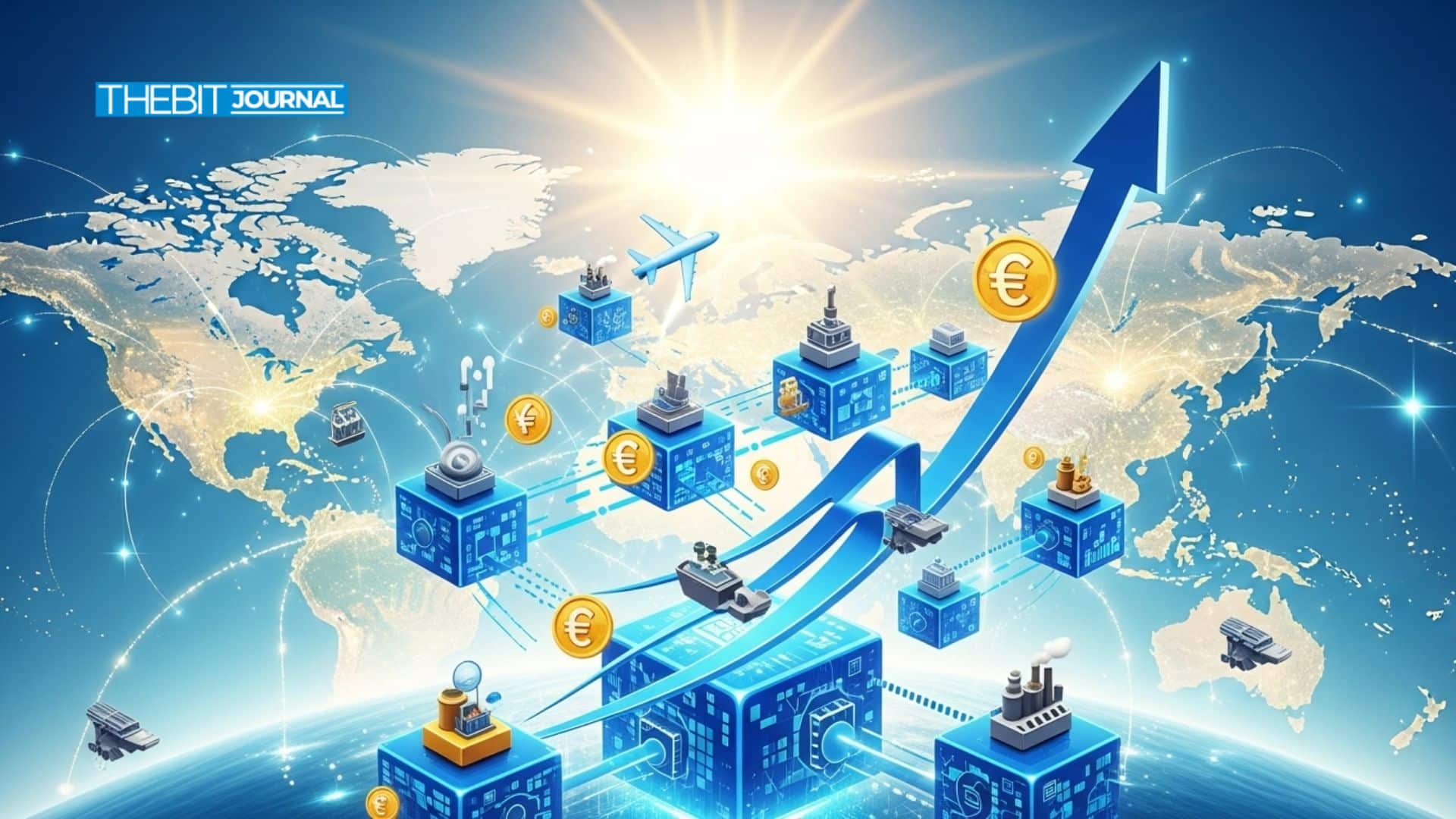
Current Progress and Real-World Adoption
Platforms are coming up that connect traditional banks and fintech stakeholders with global digital networks. According to recent market analysis, the blockchain trade finance sector, which was around $80 billion in 2025, is expected to grow as tokenized assets expand and institutions adopt digital infrastructure.
This is supported by global infrastructure developments. Examples include central banks such as the Bank of England whose discussion paper in 2020 examined tokenized assets for use as collateral, and the European Central Bank which will accept tokenized exposure under credit operations from March 2026.
These imply an increasing acceptance of blockchain-backed financial infrastructure among well-established institutions.
Conclusion
Trade finance could be one of the greatest real world uses for blockchain technology. Through the reduction of paperwork and greater transparency that eliminates bottlenecks, vast pools of global liquidity can be unlocked, enabling blockchain technology to close a multi-trillion-dollar trade finance gap that has hindered global trade for decades.
Regulatory progress, such as global acceptance of electronic records and compliant digital settlement rails, has also laid a clear path for wide adoption.
As institutions, fintechs and governments work towards building a truly interoperable system for the next generation of trade finance, the space stands to evolve from an old legacy industry into a fast, inclusive and digitally native backbone for the global economy.
Glossary
Blockchain trade finance: involves using blockchain technology to record, verify and settle trades, swapping out paper-based bill of lading or invoice with digital ledgers.
Tokenization: a process of converting physical assets to become available, divisible and tradable within blockchain networks.
Distributed Ledger Technology (DLT): a system that maintains a decentralized record of transactions on multiple nodes to be transparent and immutable among all participants.
Smart contracts: virtual agreements existing on a blockchain that execute themselves when specific requirements have been satisfied, thereby minimizing the need for human oversight.
Frequently Asked Questions About Blockchain Trade Finance
What is the blockchain trade finance gap?
The gap refers to the shortfall in financing available to support global trade activities, and which primarily affects SMEs. It is estimated that the gap area is at least $2.5 trillion, due to inefficient processing and limited access to credit.
What is the contribution of blockchain to trade finance?
Trade documents are digitized, and settlement is automated with smart contracts, resulting in the elimination of fraud and an increase in transaction speed. Conversely, inefficient paper-based workflows are turned into secure digital networks.
Why Does Global Tokenization Matter for Trade
Tokenization turns trade finance assets into digital tokens, which can be fragmented and traded as a digital security anywhere in the world, increasing liquidity and access to funding for businesses that have traditionally found it difficult to raise funds.
Which new regulations are promoting trade finance on blockchain?
Regulations such as the UN Model Law on Electronic Transferable Records and the UK Electronic Trade Documents Act provide legal validity for digital documents. The U.S. has the GENIUS Act, which offers regulated settlement rails alongside regulated stablecoins.
References
Cointelegraph
Finance Magnates
MEXC
academy