



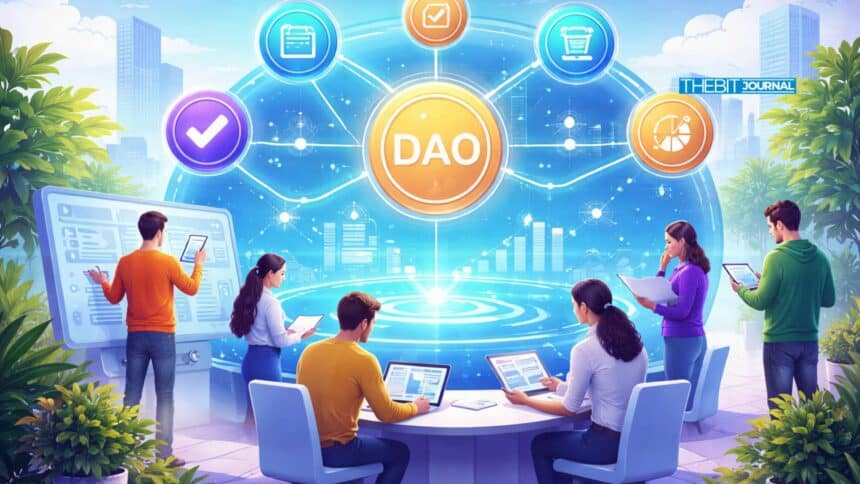

Some crypto projects operate like cooperatives as the rules live in code, the money sits in transparent wallets in real time, and decisions are made through community voting. The asset that makes that voting possible is often called DAO Tokens.
A decentralized autonomous organization, shortened to DAO, is a group that coordinates work and capital with shared rules. Members propose changes and vote. When a vote passes, software can execute the decision, such as releasing funds, changing fees, or updating risk settings. In many communities, governance tokens are the bridge between debate and action.
DAO Tokens: Powering Decentralized Governance
DAO Tokens usually connect influence, incentives, and accountability. Influence comes from voting power, which may be one token equals one vote, or a delegated model where holders assign power to representatives. Incentives come from how the token is distributed and how contributors are rewarded. Accountability comes from the public record, since proposals, votes, and treasury moves can be reviewed by anyone.
A simple comparison helps. A neighborhood association collects dues and votes on repairs. In a DAO, the dues are a treasury wallet, proposals are public documents, and votes are signed by wallets holding DAO Tokens. The process can still be political, but the receipts are harder to hide.
Why governance quality has become a news angle
Market coverage has shifted as price still matters, but governance quality now shows up in risk discussions because upgrades and treasury spending can move a project fast. Sloppy processes can trigger surprises.
That is why analysts look beyond charts and ask who can change the rules, what safeguards exist, and how often the community actually participates. Tokens tied to real authority tend to hold attention longer than tokens that offer symbolic votes.
How governance works, step by step
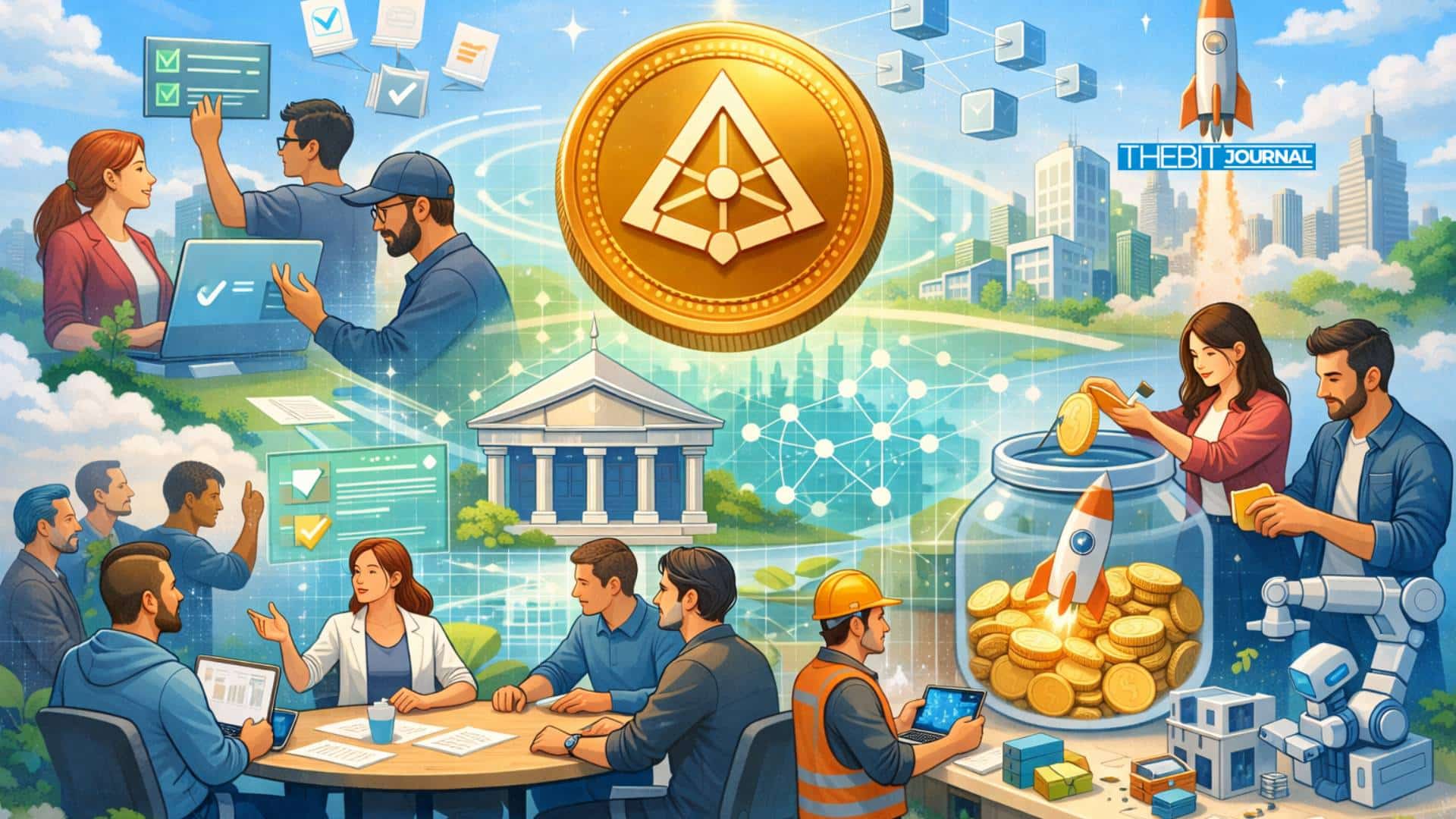
Most DAOs follow a familiar flow as a member submits a proposal, the community debates it, then voting opens for a window. The proposal passes only if quorum and threshold rules are met.
Execution is the key design choice. On-chain voting records the vote directly and can trigger smart contract actions, but it can be expensive during network congestion. Off-chain voting is cheaper and faster, but it depends on process discipline unless an execution module follows the result. Mature systems often add time delays, spending caps, and separate modules for sensitive actions.
What drives the value of DAO Tokens
These assets can move for the same reasons other crypto assets move, such as liquidity, sentiment, and broader market cycles. Still, there are extra layers.
Utility is one driver. If DAO Tokens control fees, upgrades, or budgets in a meaningful way, the market treats them as more than a narrative asset. Treasury strength is another driver. A well-managed treasury can fund development and partnerships without constant token selling. Participation matters too. If only a small group votes, the system is easier to capture, and that risk can weigh on valuation.
Key indicators to watch
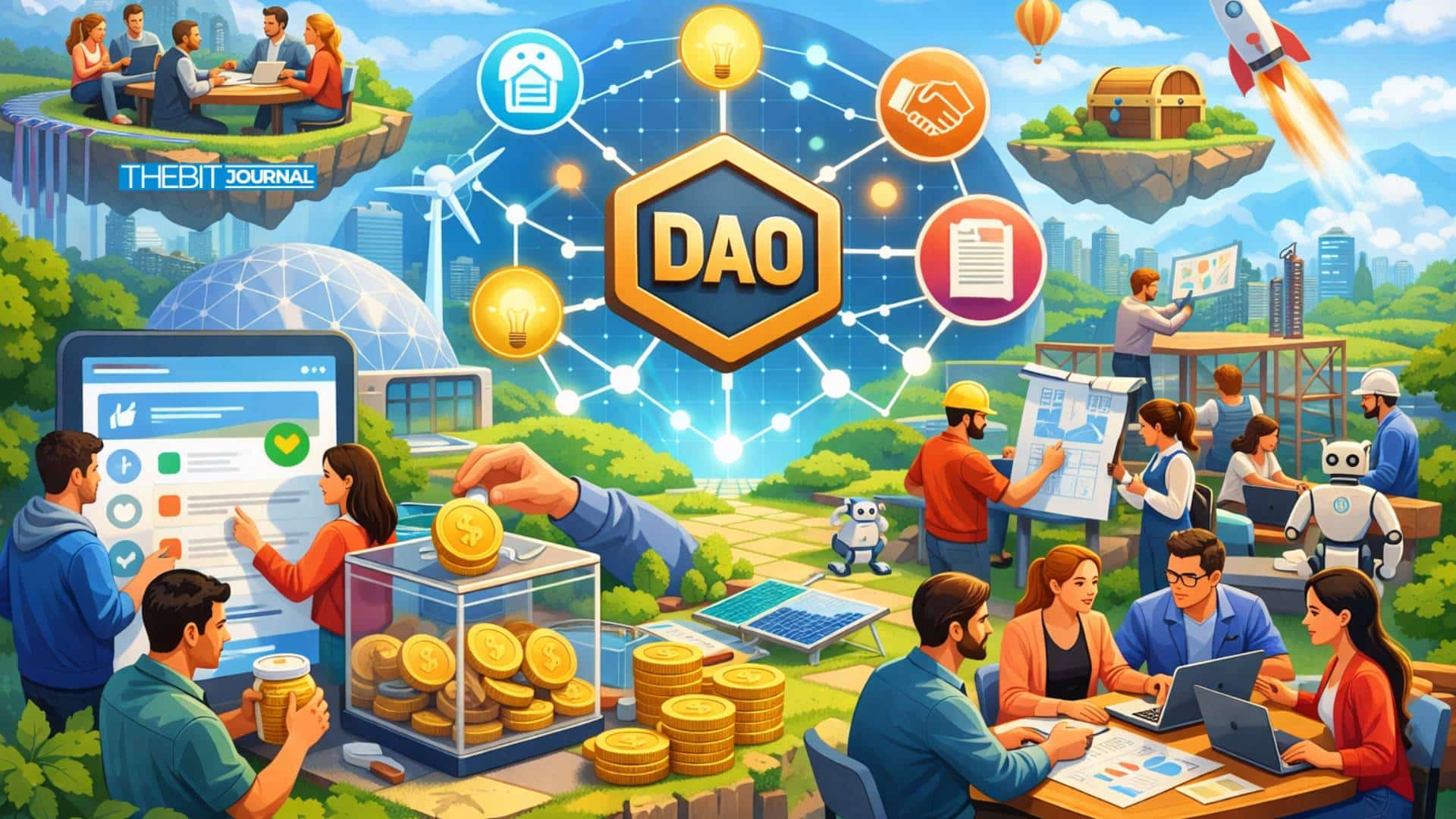
Price action is only the surface as one indicator is holder concentration, since a heavily concentrated supply can undermine governance. Another is participation, measured by turnout, delegation rates, and unique voters. Proposal cadence matters as well, because active, well-scoped proposals can signal a living community.
Treasury runway is critical. Comparing treasury assets to monthly spending offers a practical view of sustainability. Finally, smart contract risk matters. Audits, bug bounties, and cautious upgrade frameworks reduce tail risk, but they do not eliminate it.
Risks and hard truths
Decentralized governance can be attacked as a common pattern is temporary voting control through borrowed or quickly purchased tokens, followed by a proposal designed to extract value. Safeguards like time delays and caps exist for a reason.
There is also the human element. Communities can drift into politics, coordination games, or low-effort voting. Transparency helps, but it does not create good judgment on its own. Legal uncertainty adds another layer, since jurisdictions vary in how they view governance assets and related messaging.
Beyond voting: how communities use DAO Tokens
Not every use is an election, as some DAOs use DAO Tokens to coordinate grants, working groups, and contributor programs. Others use them to gate access to research calls or early product features. In practice, DAO Tokens often become a social contract as much as a financial instrument, since holding them signals alignment with a community and its priorities.
Reputation matters here. A DAO that funds useful work, publishes clear updates, and manages its treasury conservatively tends to attract stronger participation. Over time, that participation can become the moat.
Conclusion
DAO Tokens give decentralized organizations a way to steer treasuries, define rules, and coordinate upgrades without relying on a single operator. The strongest setups pair clear voting mechanics with safeguards, active participation, and transparent financial management. The weakest setups treat governance as theater, leaving holders exposed to capture and surprise decisions.
Frequently Asked Questions (FAQs)
What do DAO Tokens represent?
They represent governance influence inside a decentralized autonomous organization, usually expressed through voting power and delegation.
How does someone vote with governance tokens?
A holder connects a wallet to a governance interface, reviews proposals, then signs a vote that the system records on-chain or off-chain.
Are governance tokens the same as company stock?
They can resemble voting shares in function, but they are not automatically legal equity, and rights vary by design and jurisdiction.
Why can turnout be low?
Voting can be time-consuming; some on-chain votes have costs, and many holders stay passive or delegate. Strong delegate programs can improve participation.
What are the biggest risks for DAO Tokens holders?
Governance capture, smart contract bugs, concentrated ownership, treasury mismanagement, and legal uncertainty are common risks.
Glossary of key terms
Decentralized autonomous organization: A community-run structure that uses smart contracts and shared rules to coordinate decisions.
Governance proposal: A formal request to change parameters, fund work, or update rules, submitted for community review and voting.
Quorum: The minimum participation required for a vote to be valid.
Treasury: The pool of assets controlled by governance, used to fund development, grants, and operations.
Delegation: Assigning voting power to another wallet or representative who votes on behalf of the holder.
Multisignature wallet: A wallet that requires multiple approvals to move funds, commonly used as a governance safeguard.
Disclaimer: This article is for educational purposes only and does not constitute financial, legal, or investment advice. Crypto assets are volatile, and readers should evaluate risks independently.
Sources