





A Blockchain Explorer is the simplest bridge between ordinary curiosity and the raw, public record that a blockchain keeps. When someone hears that funds moved, a token minted, or a wallet emptied, this tool makes it possible to verify those claims. In a market that can move on a rumor, this simple tool helps separate what happened on-chain from what was merely claimed.
Blockchain Explorer: the public ledger, translated for humans
A Blockchain Explorer is best understood as a searchable window into a network. It lets a user look up a transaction hash, wallet address, block number, or token contract and see what the chain recorded. That matters because blockchains are designed around independent verification. The record is public, but without a readable interface it is like a library where every book is written in code.
This view has limits that are worth stating clearly. A Blockchain Explorer can confirm what happened on-chain, such as where assets moved, which contract was called, and what fee was paid. It usually cannot confirm why it happened. The strength of the tool is clarity, not mind reading.
Why this tool matters for transparency and everyday security
Crypto markets thrive on speed, and speed can turn into sloppy thinking. A Blockchain Explorer slows the conversation down in a good way because it forces a check against primary data. If a project claims a treasury is locked, on-chain activity can support or challenge that claim. If a user believes a deposit was sent, the transaction record can show whether it reached the correct address on the correct network.
That is why a Blockchain Explorer often sits at the center of transparency. It supports accountability without requiring permission, and it reduces the space in which scams can hide. A Blockchain Explorer can help spot a fake token contract, confirm whether liquidity was added or removed, and reveal when a wallet is interacting with a suspicious contract that drains approvals.
What a typical explorer page shows, and how to read it
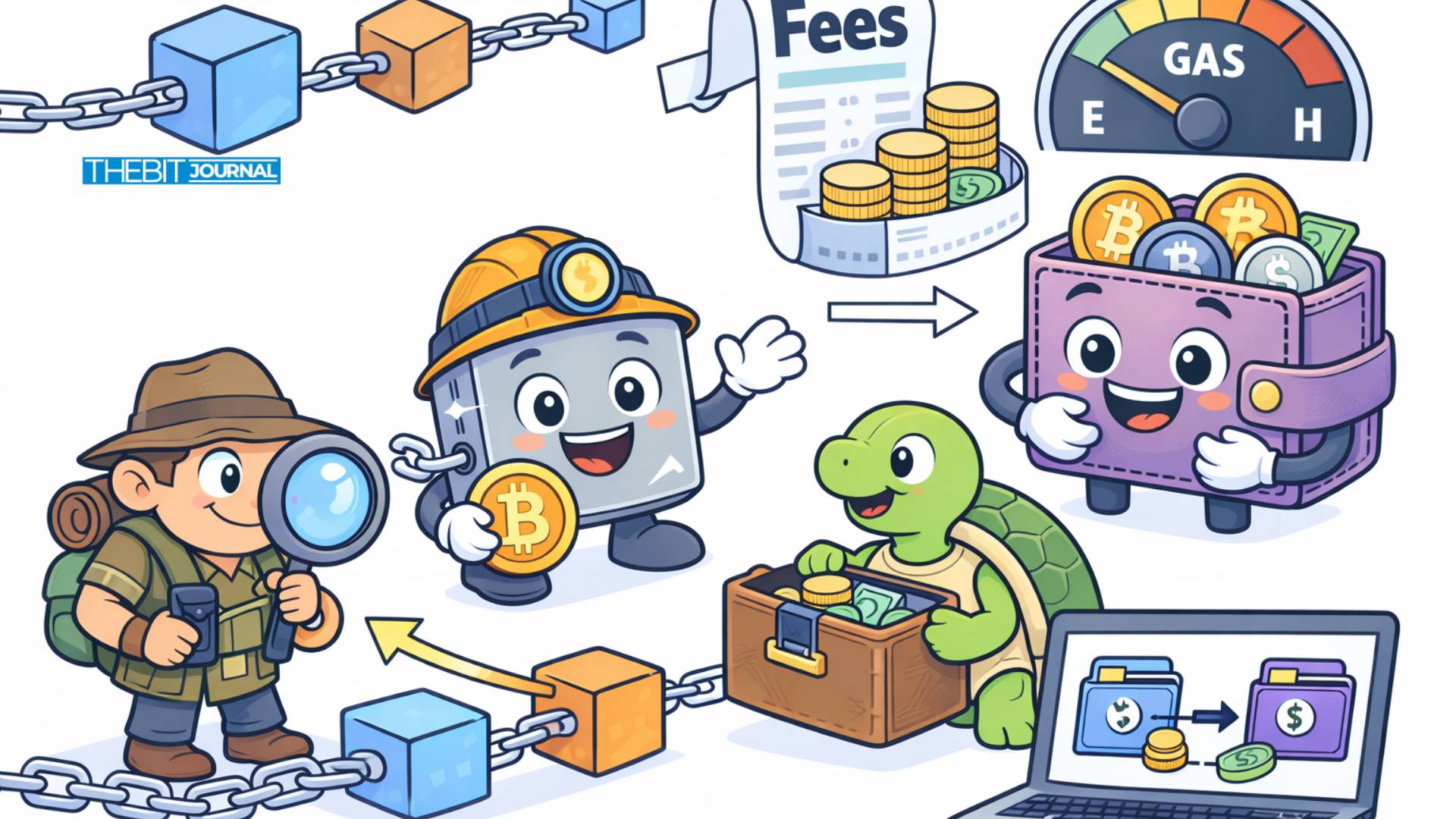
Most explorers present the same building blocks because they reflect the same underlying structure.
A block page shows the block height, timestamp, and the list of transactions included.
A transaction page is the most visited view. It typically shows status, confirmation count, sender, recipient, value, fee, and technical fields such as nonce. On smart contract chains, it also shows token transfers and event logs generated inside the transaction.
An address page is a running history for a wallet or contract. It usually shows the native coin balance, token balances, and a timeline of interactions. A Blockchain Explorer can make patterns visible here, such as repeated small deposits that look like user activity, or periodic sweeps that look like exchange operations. The key is restraint. Patterns are signals, not proof.
A token contract page is where many readers learn to be careful. It may show total supply, decimals, holder counts, and transfer history. On some networks it also shows whether the contract code is verified. For risk checks, this page is often more valuable than any marketing thread.
How to use an explorer effectively in real situations
The fastest way to use a Blockchain Explorer is to start with the right identifier. For a payment dispute, the transaction hash is the cleanest starting point because it points to one event. For a wallet investigation, the address view is the entry point. For token research, the contract view matters most.
When tracking a payment, the first step is confirming status. A pending status can mean the transaction is still waiting in the mempool, or it can mean it was broadcast with too low a fee. A confirmed status should come with a block number and a growing confirmation count. Many services wait for multiple confirmations because deeper blocks are harder to reverse.
When checking a deposit to an exchange, the network matters as much as the address. People often send an asset on a network the receiver does not support. The transfer will exist on-chain, yet it will not credit the account because it arrived in the wrong place. An explorer can reveal that mismatch quickly by showing the chain, token standard, and destination.
When investigating a token, a practical routine helps. Open the contract page, scan the top holders, and look for sudden supply changes. Then read recent transfers for abnormal patterns, such as repeated minting, rapid movements between related wallets, or unusually large transfers that precede price spikes.

Key on-chain indicators that explain what the market is doing
Prices move for many reasons. On-chain indicators add texture because they show behavior, not just sentiment. An explorer is often the first place these indicators are visible in their raw form.
Transaction activity is the starting point. A rise in transactions can signal growing usage, but it can also signal bots and spam. A better read comes from combining volume with the number of unique active addresses and the average transfer size. Small, repetitive transfers often look different from organic user demand.
Fees and gas are demand indicators for blockspace, as rising fees can reflect congestion, heavy trading, or popular applications pulling users on-chain.
Block time and confirmation speed are quiet health checks. If blocks are arriving irregularly, or confirmations are slow, user experience suffers and exchanges may tighten their deposit rules. The block view makes these changes measurable.
Holder concentration is a risk indicator that shows up clearly on many contract pages. If a few wallets control most of the supply, price moves can be easier to manipulate, especially when liquidity is thin. Watching whether large holders are distributing or accumulating can add context, even though motives remain uncertain.
Common misreads that create bad conclusions
The most common mistake is treating every on-chain transfer as a sale. Movement can be custody management, a bridge deposit, a smart contract interaction, or an internal exchange sweep. The second mistake is ignoring fees and network details, which leads to confusion when assets arrive on the wrong chain.
Conclusion
For anyone trying to research crypto responsibly, a Blockchain Explorer is a basic tool with an outsized payoff. It turns claims into checkable facts, helps users confirm transactions, and supports safer decision-making through visible on-chain signals. Used with context, it becomes a habit of verification.
Frequently Asked Questions (FAQs)
What is the difference between an explorer and a wallet app?
A wallet app signs and sends transactions. A Blockchain Explorer is a read-only view that helps verify what the network recorded.
Why do some transactions show as successful but still feel wrong?
A transaction can succeed on-chain while still producing an unexpected result, such as interacting with the wrong contract or receiving a different token than expected. Reading token transfers and logs can clarify the outcome.
How many confirmations are enough?
The answer depends on the network and the service receiving funds. Many platforms require multiple confirmations to reduce reorganization risk, especially for larger transfers.
Glossary of key terms
Block is a set of transactions recorded together.
Transaction hash is the ID used to find a transaction.
Address is the public identifier that can hold assets.
Fee or gas is the cost paid to process a transaction.
Smart contract is on-chain code that runs agreed rules.
Event log is a record a contract emits during activity.
Disclaimer: This article is for educational and informational purposes only and does not constitute financial, investment, or legal advice, and any use of a Blockchain Explorer should be paired with carefully considered judgment.
Sources