





Last updated on July 16, 2026
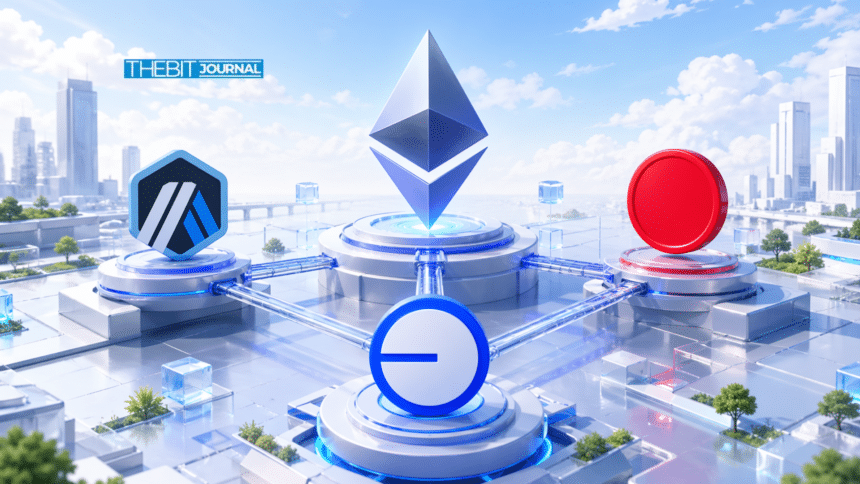
Ethereum Layer 2 is shaping how Ethereum’s scaling model is understood in 2026, reflecting a system that has evolved beyond earlier assumptions. The network is no longer viewed through a simple transition from Layer 1 to Layer 2 dominance. Instead, it now operates as a dual-layer structure where the base layer ensures security and final settlement, while Ethereum Layer 2 networks handle scalable execution and application-level activity.
This shift marks a more grounded interpretation of Ethereum’s growth. Rather than a one-way migration to rollups, the ecosystem has settled into a model where both layers coexist. Each plays a defined role, creating a more flexible and sustainable structure for long-term expansion.
What is Ethereum Layer 2 and how does it function today?
Ethereum Layer 2 refers to solutions that process transactions outside the main Ethereum chain while still relying on it for final validation. In earlier phases, these solutions were positioned as the primary future of Ethereum scaling. Initially positioned as the cornerstone of Ethereum scaling amid base layer congestion and escalating fees, these networks have evolved significantly.

Ethereum Layer 2 platforms have reliably reduced costs and enhanced transaction throughput. Entering 2026, their function within the ecosystem appears well-defined. Rather than supplanting Layer 1, they complement it by accommodating high-frequency, cost-sensitive operations, as Layer 1 focuses on securing high-value DeFi protocols, essential coordination, and final settlements.
Why does Ethereum still depend on Layer 2?
Ethereum still faces structural limits when it comes to balancing decentralization, security, and scalability. Even with ongoing improvements, the base layer cannot handle unlimited transaction volume without affecting its core principles.
Ethereum Layer 2 addresses this by shifting execution away from the main chain while keeping final settlement anchored to it. This approach allows Ethereum to expand capacity without compromising its foundational design. It also reinforces that Layer 2 is not an alternative to Layer 1, but a necessary extension of it.
How have Layer 1 upgrades changed the picture?
Recent upgrades have boosted Ethereum’s base layer efficiency and affordability, especially for data management and settlements. These changes solidify its role as the core support for Ethereum Layer 2 networks.
The enhancements don’t turn Layer 1 into a speed-focused execution hub. It stays true to security, decentralization, and dependability. This strengthens the groundwork for Ethereum Layer 2 growth without pitting layers against each other.
Has the roadmap direction changed over time?
Ethereum’s roadmap upholds its foundational scaling vision through layered solutions while evolving into a balanced, multifaceted strategy. Layer 1 enhancements advance alongside Ethereum Layer 2 innovations, acknowledging that diverse approaches best tackle comprehensive scaling demands.
No abrupt policy shift has occurred. The roadmap now prioritizes seamless interlayer collaboration over reliance on any singular scaling paradigm.
Vitalik Buterin’s Lean Ethereum roadmap, shared in July 2026, reinforces this approach. It continues to position Layer 2 as Ethereum’s long-term scaling solution while Layer 1 remains focused on security and settlement.
How do rollups support Ethereum’s scaling?
Rollups remain central to Layer 2 infrastructure. They process transactions off-chain and send compressed data or proofs back to the main network. Optimistic rollups rely on an assumption of validity, using dispute mechanisms when needed. They are widely used because they integrate well with existing tools.
Zero-knowledge rollups verify transactions through cryptographic proofs before settlement. They offer faster finality but involve more complex processes. Both models continue to operate side by side. The ecosystem has not converged around a single solution, and each approach serves different needs.
What is the current state of Layer 2 adoption?
Ethereum Layer 2 adoption continued to strengthen in the first half of 2026 as more users and applications relied on rollups for everyday transactions. According to mid-2026 data from L2BEAT, Ethereum Layer 2 networks secured nearly $49 billion in total value and processed more than 27 million transactions per day, compared with about 2.32 million daily transactions on Ethereum’s mainnet. This highlights how Layer 2 has become the primary execution environment, while Ethereum Layer 1 continues to provide security and final settlement.
Adoption has also become more concentrated around established networks. Arbitrum One remains the largest Layer 2 by total value secured with a market share of about 42%, followed by Base with around 24%, while Optimism continues expanding its Superchain ecosystem. Even as the ecosystem grows, developers continue working on challenges such as liquidity fragmentation and sequencer decentralization to support long-term scalability.
How are leading Layer 2 networks evolving?
Different networks are finding their own positions within the ecosystem. Arbitrum continues to stand out in decentralized finance due to its liquidity and established infrastructure. Optimism extends its influence via a modular framework that enables multiple chains to function under unified standards, enhancing interoperability within the Ethereum Layer 2 ecosystem. Base is growing through user accessibility, supported by its connection to a major exchange platform.
At the same time, zero-knowledge rollup projects such as zkSync, StarkNet, and Polygon zkEVM are advancing, though they remain in a developing phase compared to more established systems. This variety underscores that Ethereum Layer 2 thrives not through a dominant leader or uniform method, but by a range of competitive and continually advancing solutions.
What does this mean for users and market participants?
Ethereum Layer 2 delivers tangible benefits for users through reduced fees and accelerated transaction speeds. Moving assets between layers has emerged as routine ecosystem engagement albeit with network-specific timing and procedures.

For market participants the landscape is more complex. Many Layer 2 tokens function as governance tools rather than direct revenue-generating assets. Their value depends on how each ecosystem evolves over time. This requires a more careful approach as broad assumptions about growth no longer apply across the entire sector.
Conclusion
Ethereum Layer 2 forms a vital part of the scaling strategy yet thrives within a complementary dual-layer framework rather than standing alone. Layer 1 maintains its role in security and settlement as Layer 2 facilitates scalable execution and application development.
This combined structure offers a more realistic view of Ethereum’s development. It moves beyond narratives of Layer 1 resurgence or full Layer 2 dominance. Ethereum’s trajectory hinges on effective collaboration between layers. This coordinated approach forms the foundation of Ethereum’s scaling model in 2026.
Glossary
Rollups: Batch transactions to reduce Ethereum fees and congestion
Arbitrum: Leading Ethereum Layer 2 for fast, low-cost DeFi activity
Optimism: Ethereum Layer 2 using OP Stack for scalable infrastructure
Base: Coinbase Layer 2 for fast, low-cost apps and users
Layer 1 (L1): Main Ethereum chain for security and final settlement
Frequently Asked Questions About Ethereum Layer 2
Why is Ethereum Layer 2 important?
It is important because it reduces fees and helps Ethereum handle more users.
Does Ethereum Layer 2 replace Ethereum Layer 1?
No, it does not replace Layer 1. It works with Layer 1 to improve performance.
What is Base in Ethereum Layer 2?
Base is a Layer 2 network built by Coinbase for fast and low-cost crypto apps.
Is Layer 2 growing in 2026?
Yes, Layer 2 is still growing, but activity is stronger in leading networks.
What is the future of Ethereum Layer 2?
The future of Layer 2 is working together with Layer 1 to support more users and apps.
Sources –