
The crypto world often feels like a whirlwind of prices rising and crashing overnight. But behind every digital asset lies a foundation that determines whether it can stand the test of time: tokenomics. Short for “token economics,” tokenomics explains the economic design of a cryptocurrency, how tokens are created, distributed, and given purpose. Without it, a project is little more than hype.
With it, a token can gain value, win adoption, and secure long-term sustainability.
Tokenomics Explained: The Engine of Crypto Projects
Tokenomics is like the business model of a cryptocurrency. It sets the rules of supply, incentives, and use cases. Every project, from a payment coin to a DeFi platform, relies on tokenomics to show how it can operate fairly and sustainably.
The digital assets with solid tokenomic models often attract stronger communities and enjoy steadier adoption. Without this framework, tokens risk fading into speculation. Just as no company survives without a business model, no crypto survives long without well-structured tokenomics.
How Tokens Build and Hold Their Value
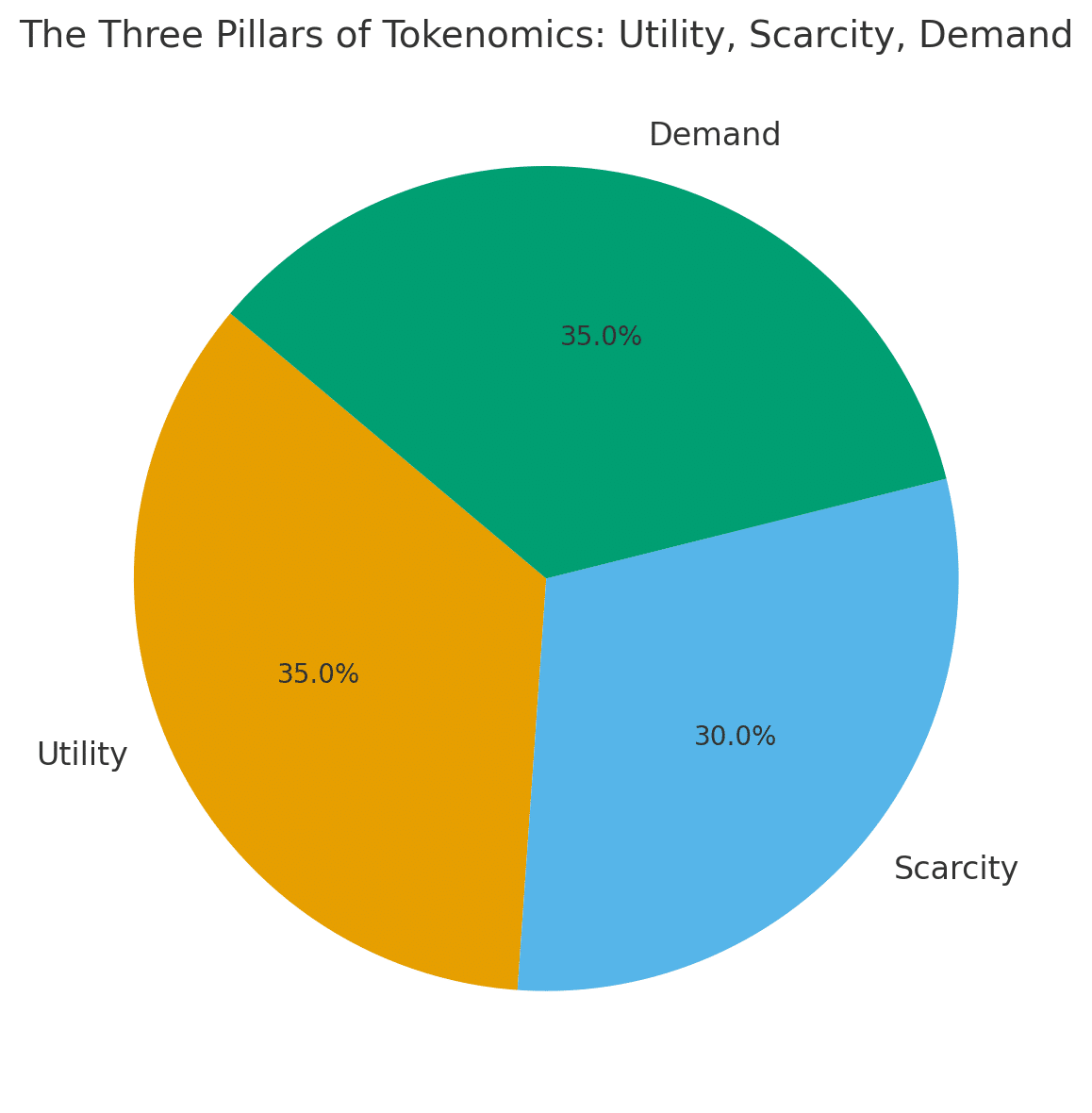
A token’s worth isn’t random. It’s shaped by three forces: utility, scarcity, and demand.
Utility defines what a token can do. Some tokens pay for services, others grant governance rights, while many serve as collateral in lending systems. Scarcity is often engineered, such as limiting supply or burning tokens to reduce circulation. Demand comes when people and institutions actually use the token for real purposes.
This blend of utility and scarcity can be compared to precious metals. Gold has value because it is rare and useful. In crypto, tokenomics creates the same logic, building a foundation for price support beyond speculation.
Supply, Demand, and the Power of Distribution
Supply control is one of the strongest levers in tokenomics. Some tokens cap their total supply forever, like Bitcoin’s 21 million maximum. Others allow new tokens to be created over time to encourage participation. Both approaches serve different purposes, but each shapes how investors view scarcity and growth.
Distribution is equally critical. If a handful of wallets control most of the supply, markets become vulnerable to sudden dumps. But when tokens are fairly spread out, through airdrops, staking rewards, or community launches, ecosystems gain balance. Data revealed that projects with wide token distribution tend to keep users engaged for longer periods.
Adoption: The Lifeline of Tokenomics
Adoption makes or breaks a token. Tokens that serve a real function, whether paying fees, securing networks, or granting voting rights, tend to keep demand alive. In contrast, tokens built only on speculation often lose traction once hype fades.
Sustainability means finding balance. If staking or mining rewards are too high, inflation eats away at value. If rewards are too small, users abandon the network. Tokenomics fine-tunes this balance to ensure the ecosystem grows without collapsing. As MIT researchers concluded in a recent study, sustainable tokenomics must evolve with market conditions while keeping incentives aligned.
Community, Narratives, and the Psychology of Value
Numbers don’t tell the whole story. Tokenomics also relies on human behavior. Narratives about scarcity, innovation, or financial freedom can fuel demand as much as technical design. Online communities amplify these narratives, discussing price potential and token utility across forums and social channels.
This creates a loop: stronger tokenomics drive adoption, adoption builds community trust, and community enthusiasm fuels demand. But when tokenomics is weak, the narrative collapses, and so does the price.
Tokenomics in Action: Real-World Lessons
On-chain data makes tokenomics easy to track. Block explorers reveal how staking systems reduce the amount of tokens in circulation, which helps stabilize prices. In decentralized finance, lending platforms use tokenomics to set interest rates, collateral ratios, and liquidation thresholds.
When these designs work well, ecosystems grow steadily. When they fail, systems can unravel overnight. The liquidations of 2022 showed how weak tokenomics can trigger chain reactions that harm investors.
The Risks and the Role of Regulation
Tokenomics is not foolproof. Poorly designed incentives can push users toward short-term profit rather than long-term commitment. Weak governance models can leave communities vulnerable to manipulation.
Regulation is beginning to play a bigger role. The European Union’s MiCA framework now requires tokenomic disclosures before public launches. FATF guidelines also stress the need for transparency. Analysts agree that tokenomics must align with both user incentives and regulatory standards if cryptocurrencies want mainstream acceptance.
Why Tokenomics Matters Now More Than Ever
Tokenomics is the architecture of crypto value. It decides if a digital asset is just noise or a lasting innovation. From supply limits to staking rewards, from governance rights to community adoption, every detail matters. For developers, tokenomics provides a roadmap to build sustainable systems. For analysts and investors, it offers a compass to cut through speculation and focus on long-term viability.
“This article is for informational purposes only and does not constitute financial advice. Readers should conduct their own research before making any investment decisions.”
Glossary of Key Terms
Tokenomics: The study of a cryptocurrency’s design, supply, and incentives.
Utility: The practical use of a token inside its ecosystem.
Scarcity: Limited supply designed to protect or increase value.
Staking: Locking tokens to earn rewards and support network security.
Velocity: The rate at which tokens move between users, affecting stability.
Governance: Decision-making power given to token holders in a project.
Frequently Asked Questions about What is tokenomics
1. What does tokenomics mean in crypto?
It refers to the system that explains how tokens are issued, used, and valued.
2. Why is tokenomics important?
It helps determine whether a token can be sustainable or whether it is only hype.
3. How does supply shape token value?
Limited supply boosts scarcity, while inflationary supply can encourage growth and usage.
4. What role does community play in tokenomics?
Communities help create demand and drive adoption through participation and narrative.
5. Can bad tokenomics destroy a project?
Yes. Poor designs often lead to volatility, weak adoption, and price collapse.
6. How does regulation affect tokenomics?
It requires clear disclosure, ensuring trust and transparency for investors.