





Late December 2025 delivered a familiar setup in crypto: markets stayed open, teams ran lean, and one weak link did disproportionate damage. This time the weak link was not a blockchain bug. It was the everyday software layer that sits between a person and a transaction, where approvals happen fast and trust is assumed because the interface looks familiar.
The incident revolved around a compromised browser extension update that attackers used to drain funds during a short window. Public reporting framed the damage at about $7 million, but the mechanics matter more for anyone who runs crypto payments or treasury. A trusted update channel can be hijacked, and the clean-up is rarely just technical.
The window, the version, and why numbers moved
In its community update, Trust Wallet said the affected period was December 24 to December 26, 2025, and the scope was limited to browser extension version 2.68 for users who opened the extension and logged in during that period, while mobile app users were not impacted.
On impact, two sets of figures circulated as one snapshot put losses around $7 million and tied the incident to 2,596 verified addresses, alongside nearly 5,000 reimbursement claims. The official update later said investigators had identified 2,520 affected addresses and estimated about $8.5 million in impacted assets linked to 17 attacker-controlled addresses, while tracking continued.
The operator takeaway is simple: early totals shift as attribution improves, so response planning should assume the first 48 hours will be noisy.
How a supply-chain breach beats awareness training
Phishing relies on persuasion as supply-chain compromise relies on routine. A user updates a tool through a familiar store, opens it, signs as usual, and the attacker borrows the user’s normal workflow.
Trust Wallet said the malicious build was prepared independently and distributed through an external publishing method using a leaked API key to the Chrome Web Store, and it said the incident was likely related to an industry-wide November supply-chain event that may have exposed source code and that same API key.

For SMEs, the message is that upstream compromise can slide into payroll runs, vendor payments, and treasury rebalancing without tripping classic red flags, because the user is not being pushed into an unusual action.
The second crisis: claims, proof, and fraud pressure
In the official update, Trust Wallet said it received over 5,000 claims while it had identified 2,520 affected addresses, pointing to duplicate or false submissions and forcing a cautious verification process.
The support notice shows what verification can demand, including identity and ownership checks and documentation that the wallet was funded before December 24, 2025, with retention tied to financial record-keeping and potential investigations.
Where crypto-friendly SMEs tend to be exposed
Smaller teams often do big-firm work with fewer hands, and that pressure creates repeatable weak spots.
Concentration is the first. A single hot wallet ends up handling marketing spend, contractor payments, and treasury moves, so one compromise becomes a company-level interruption. Shared access is the second. When a browser extension sits on a laptop used across roles and time, the audit trail becomes fuzzy and accountability turns into a debate. In many teams, Trust Wallet ends up living in that shared environment because it is convenient, not because it is best practice.
Credential sprawl completes the picture. Publishing tokens and API keys stored in the wrong place can enable the quiet distribution described in the official investigation findings.
Controls that cut risk without killing speed
The fix is not to slow everything down. The fix is to make failure smaller.
Wallet separation does the most work for the least effort. Routine operations can run on limited balances, while reserves sit in cold storage or a multi-signature setup with clear thresholds. If the hot wallet is drained, the company loses a slice of working capital, not the entire treasury.
Change control should exist for signing tools, even when the tool feels simple. Updates can be treated like production changes, with a short validation step before use on signing devices. When teams use Trust Wallet for day-to-day payments, that habit lowers the odds that a surprise update becomes a surprise loss.
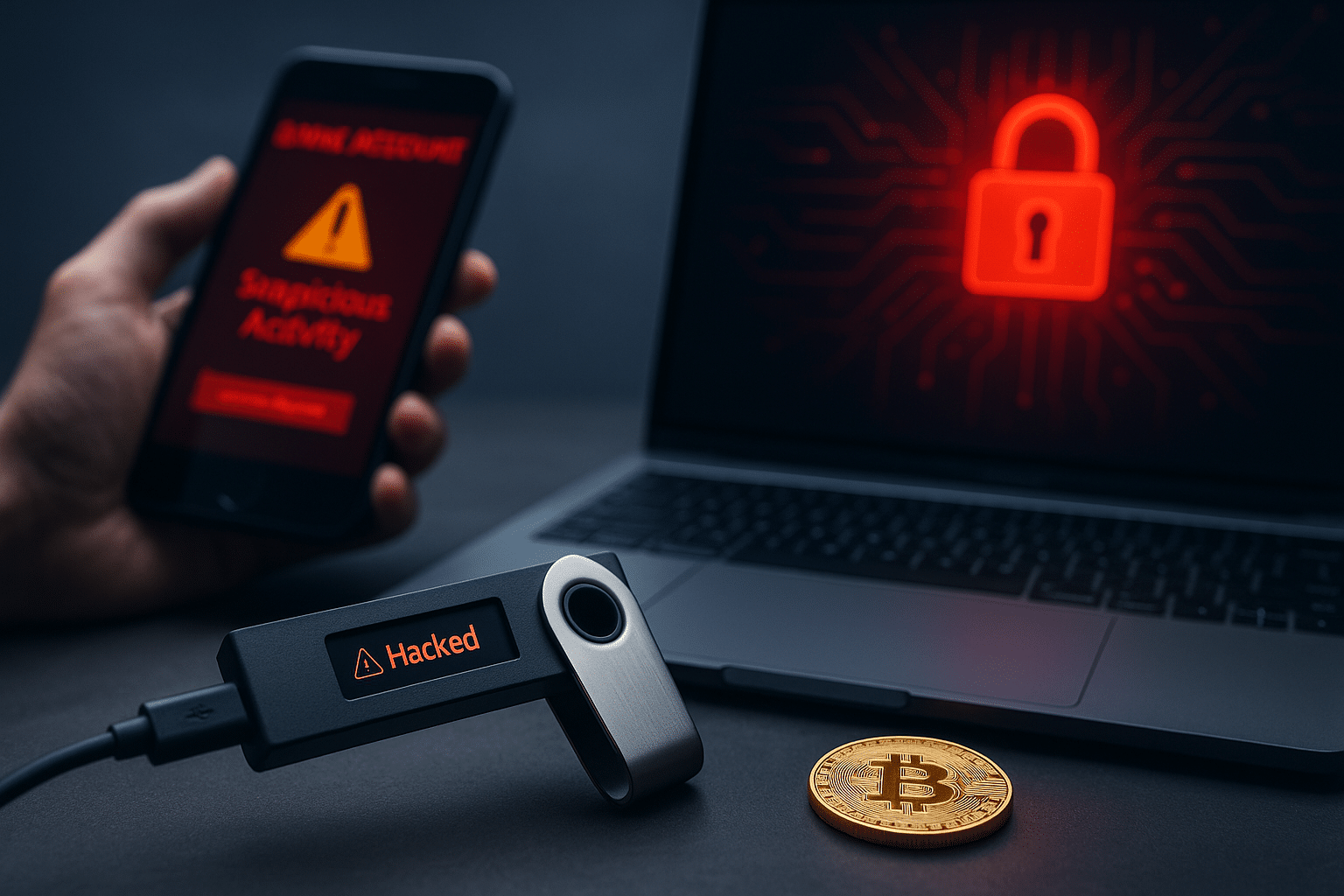
Monitoring should be practical as alerts for sudden full-balance transfers, fresh token approvals, and unexpected contract interactions can provide minutes that matter, and minutes often decide whether the incident stays contained.
Crypto indicators that shape the financial damage
Security incidents can collide with market structure, and market structure can amplify losses.
Liquidity is the first indicator. Thin liquidity and wider spreads turn urgent swaps into expensive trades. Volatility is the second, especially when it rises while volume fades. Derivatives metrics such as open interest and funding rates add context on crowding, and crowding raises the odds of liquidation waves. Stablecoin flows and exchange inflows help show whether near-term liquidity is building or draining.
After the Trust Wallet episode, the operator takeaway is clear: a response plan should assume that markets can turn unfriendly at the same time, so forced moves should be minimized through segregation and prepared routes.
Governance is the long-term lesson
The support notice references identity checks, ownership evidence, and retention rules, and that is governance entering the room. For SMEs, treating key management as governance means defining who can sign, where signing is allowed, how access rotates, and how evidence is preserved, while everything is calm rather than while everyone is scrambling.
Conclusion
A compromised update can be more dangerous than phishing because it hijacks routine. The late-December extension incident showed how quickly trust in distribution can be weaponized, and how verification and record-keeping can become a second battlefield after the drain.
For teams that rely on Trust Wallet or any comparable tool, the next step is discipline: smaller hot balances, controlled updates, clearer authority, and monitoring built for real drain patterns. Those habits are how crypto operations grow up without losing momentum.
FAQs
What exactly was affected in late December 2025?
The official update said the issue impacted only browser extension version 2.68 during December 24 to December 26, 2025, for users who opened the extension and logged in during that period.
Were mobile app users impacted?
The wallet provider stated that mobile app users were not affected, and the support notice also framed the scope as limited to extension version 2.68.
Why did reimbursement become difficult?
The official update reported more than 5,000 claims against 2,520 identified affected addresses, which increased fraud risk and pushed verification toward a cautious, case-by-case approach.
What proof can a claims process require?
The support notice describes identity verification and proof of wallet ownership, including documentation showing the wallet was funded before December 24, 2025, and it references retention requirements tied to record-keeping and investigations.
Glossary of key terms
Trust Wallet: A non-custodial crypto wallet product with mobile and browser-based tools.
Supply-chain attack: A breach where attackers compromise software components or distribution channels so malicious code reaches users through trusted updates.
Hot wallet: An internet-connected wallet used for frequent transactions, typically with higher exposure than offline storage.
Cold storage: A method of keeping private keys offline so they are not reachable through standard online compromise paths.
Multi-signature wallet: A wallet that requires approvals from multiple keys or parties before executing a transaction.
Open interest: The total number of outstanding derivatives contracts, often used to gauge leverage and crowding.
Funding rate: A periodic payment between derivatives traders that can signal directional crowding.
References