










Gas fees are one of the most talked about topics in blockchain today. Every time a transaction happens on Ethereum, there is a fee that must be paid. These fees are called gas fees. They are not fixed. They change with demand, congestion, and network rules. Sometimes they are low and people do not notice. Other times they rise very high, and it becomes very costly to send even a small amount.
Gas fees are important because they keep the system running. Miners and validators use these fees as payment for processing transactions. Without them, the system has no reason to secure or confirm blocks. The problem comes when these fees grow too much.
At that point, normal users and even developers get pushed away. This is why gas fee optimization is now seen as a key issue. It is not only about saving money. It is about making blockchain ready for mass use.
Ethereum has made upgrades to reduce gas costs. At the same time, other blockchains also try different models. There are now many technologies that aim to bring fees down or spread them better. This blog will look at gas fees on Ethereum, the problems caused by high fees, and the technology fixes that are now being used both inside Ethereum and on other blockchains.
What Are Gas Fees in Ethereum?
https://www.youtube.com/watch?v=1T9AK_OkFBU
How Gas Fees Work
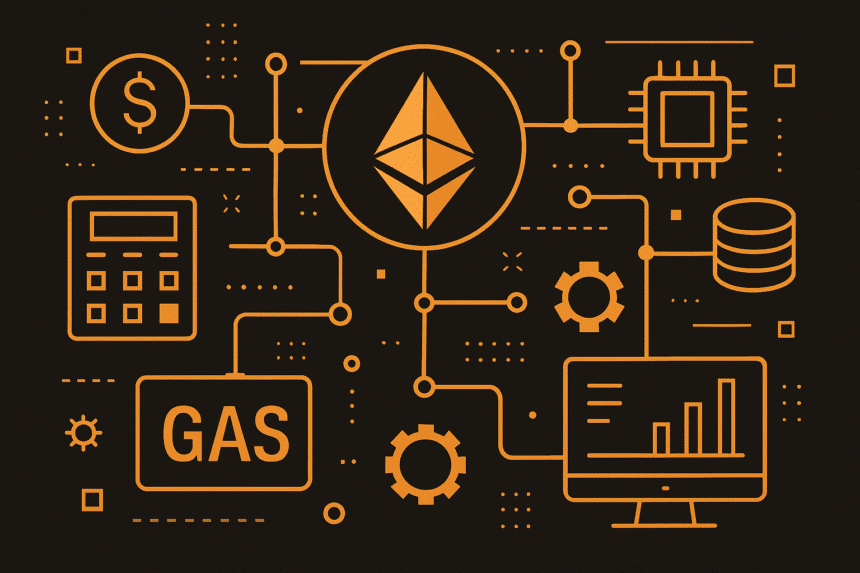
Gas fees are the cost of doing anything on Ethereum. When a person sends ETH, buys an NFT, or makes a DeFi swap, the network asks for gas. Gas is measured in units, and the price per unit is called gwei. Each action takes a number of gas units.
A simple transfer may take less gas, while a smart contract with many steps will use more gas. The final fee is gas used multiplied by price per unit.
This system is needed because Ethereum is like a shared computer. Every person is asking for some space to run code. The gas fee makes sure space is not free. It also stops spam, because it is costly to fill the network with useless transactions.
Why Gas Fees Get So High
Gas fees rise when the network is busy. Ethereum has a limit on how much data can be included in each block. If more people want to use it at the same time, they must bid higher. It is like an auction. The people who pay more get their transaction confirmed first. The ones who pay less may wait longer or not get included at all.
During times of hype, like big NFT drops or DeFi booms, fees can rise to very high levels. A small transfer that should cost a few cents may suddenly cost tens or even hundreds of dollars. This makes it hard for normal users.
Gas Fees in Other Blockchains
Ethereum is not the only blockchain with gas fees. Other networks also use them but in different ways. Solana uses a system with very low fees because it can handle more transactions per second. Polygon has much lower costs because it works as a sidechain to Ethereum. BNB Chain also offers cheaper transactions, but with some trade-offs in decentralization.
The big difference is that Ethereum has stronger security and the largest developer base. Because of that, people still use Ethereum even when fees are high. But the push for alternatives shows how important fee optimization is becoming across the whole industry.
The Problem of High Gas Fees
Impact on Users
High gas fees hurt the daily use of Ethereum. When fees rise too high, a simple transfer becomes more expensive than the money being sent. For example, sending ten dollars may cost twenty dollars in gas. Many small users stop using the network when that happens. This makes Ethereum look like it is only for big players.
DeFi also gets affected. A trade on a decentralized exchange becomes costly. Small swaps are no longer possible because fees eat all the profit. NFT buyers and gamers also face this issue. Minting a cheap NFT or playing a blockchain game can feel impossible when fees spike.
Impact on Developers
Developers also suffer from high gas fees. Every time they test or deploy a smart contract, they must pay fees. On mainnet this can reach thousands of dollars. This stops small projects from growing. Many developers move to cheaper chains to avoid these costs.
High gas fees reduce the freedom to experiment. People with new ideas may skip Ethereum and build elsewhere. This lowers innovation on the main chain.
Why Gas Fee Optimization Is Important
Gas fee optimization is not just a technical issue. It is a matter of adoption. If blockchain is to become mainstream, it must be affordable for everyone. A network that costs too much will not be used by millions of daily users. Gas optimization makes blockchain more fair, more open, and more ready for global use.
Technology Fixes on Ethereum
Ethereum Upgrades (EIP-1559 and Beyond)
One of the first major changes to gas fees came with EIP-1559. This upgrade added something new called a base fee. Before EIP-1559, users had to guess the right gas price and sometimes they paid too much. Now the base fee is set by the network, and it goes up or down based on demand. On top of this, users can add a tip to get faster confirmation.
EIP-1559 also burns part of the gas fee. This means some ETH is removed from supply with every transaction. It makes the network more balanced and sometimes even deflationary. While this change made fees more predictable, it did not always make them lower. During busy times, gas can still rise very high. But at least now the system feels more fair and easier to understand.
Ethereum 2.0 and Proof of Stake
Another big step was the move from Proof of Work to Proof of Stake. Ethereum 2.0 replaced miners with validators. This switch makes the network more energy friendly and more scalable. It also helps in reducing congestion. Validators stake ETH to secure the chain, and this makes block production smoother.
Proof of Stake itself does not cut fees by a huge amount, but it creates the base for more upgrades. With sharding, Ethereum will be able to process many transactions at once. This will lower the pressure on a single block and reduce fees over time. The final results are still being built, but the goal is clear. Ethereum wants to support millions of users at low cost.
Layer 2 Rollups
Layer 2 is one of the strongest tools for gas fee optimization. Instead of sending every transaction directly to Ethereum mainnet, rollups handle them off-chain and then send a summary. This saves space on the main chain.
Optimistic rollups are one type. They assume transactions are valid unless someone proves fraud. Zero knowledge rollups, also called zk-rollups, use math proofs to show validity. Both methods allow more transactions at lower fees.
For example, a swap that costs 20 dollars on mainnet may cost less than 1 dollar on a rollup. Projects like Arbitrum, Optimism, zkSync, and StarkNet are already showing these results. The main challenge is making them easy for users. But as wallets and dApps add support, Layer 2 is becoming a normal way to save on gas.
Gas Fee Optimization Beyond Ethereum
Scaling Solutions on Other Blockchains
Ethereum is not alone in the race for lower fees. Solana is designed to handle thousands of transactions per second. It uses a system called parallel processing. This lets many actions run at once, instead of one by one. Because of this, Solana fees are usually only a fraction of a cent.
Avalanche also has a unique model with subnets. These are smaller blockchains that connect to the main chain. Each subnet can handle its own traffic, so the main chain does not get overloaded. Polygon, while tied to Ethereum, offers very cheap fees on its sidechains and is widely used for NFTs and DeFi.
Layer 1 Alternatives and Gas Efficiency
Some chains, like BNB Chain and Tron, are known for low costs. A simple transfer may cost less than a penny. These blockchains often trade a bit of decentralization for speed and cost. Still, they attract millions of users who just want cheap and fast transactions.
For many people, the difference is big. Paying one cent compared to paying ten dollars can decide which chain is used. That is why fee efficiency has become a way for blockchains to compete.
Cross-Chain Bridges and Gas Savings
Another method is using bridges. A bridge lets tokens move from one chain to another. For example, ETH can be locked on Ethereum and a wrapped version can be used on Polygon or Avalanche. The result is lower fees because the token now lives on a cheaper chain.
Bridges are helpful, but they also bring risk. Many hacks have happened on bridges, leading to large losses. Still, they are an important part of how users save gas across chains. As security improves, bridges may play an even larger role in fee optimization.
Developer Tools for Gas Optimization
Gas Efficient Coding
Developers can reduce gas use by writing smart contracts in efficient ways. Every line of code has a cost. If a contract has too many steps, it becomes expensive to run. By removing extra steps and using better design, fees can be cut down. Solidity, the main language of Ethereum, now has guides and best practices for saving gas.
Simulation and Testing Tools
Before launching a contract, developers can test how much gas it will use. There are tools that simulate the execution. This allows them to adjust design before paying the real cost. Some tools even show which functions are most expensive. Fixing these parts can save thousands of dollars during deployment.
Wallet Features for Fee Savings
Wallets are also helping users optimize gas. Many wallets suggest the lowest possible fee that still confirms in a fair time. Some wallets bundle transactions together to save space. Others let users choose between normal or fast speed with clear cost numbers. Gas tokens, once popular, allowed pre-buying cheap gas for later use, though they are less common now.
Together, these tools make it possible to cut fees not only at the blockchain level but also at the user and developer level.
Tables for Cost Comparisons
Gas fee optimization can be better understood with simple cost examples. Different blockchains, layers, and tools show big changes in price. Below are some tables that compare costs and show how technology fixes save money.
Average Gas Fee Cost on Ethereum vs Polygon vs Solana
This table shows the average cost of a basic transfer (sending tokens from one wallet to another).
| Blockchain | Average Fee (Basic Transfer) | Notes |
| Ethereum Mainnet | $3 – $15 | Changes with network demand |
| Polygon | Less than $0.01 | Works as a sidechain to Ethereum |
| Solana | About $0.00025 | Very low because of high speed |
Even a simple transfer shows how much cheaper other chains are compared to Ethereum.
Gas Cost Difference Between Layer 1 and Layer 2 (Simple Swap Example)
Here is a look at how much a swap on a decentralized exchange can cost on mainnet compared to rollups.
| Platform | Cost of Swap (Average) | Example Networks |
| Ethereum Mainnet | $20 – $40 | Uniswap on L1 |
| Arbitrum (L2) | $0.50 – $1.00 | Rollup solution |
| Optimism (L2) | $0.40 – $0.80 | Rollup solution |
| zkSync (L2) | $0.25 – $0.60 | zk-rollup |
Rollups show clear savings, making small trades more realistic again.
Average Developer Deployment Cost on Ethereum vs Testnets
Developers face high costs when launching contracts. Testnets are free but mainnet is very costly.
| Network | Cost to Deploy Smart Contract | Notes |
| Ethereum Mainnet | $1,000 – $5,000 | Depends on size of contract |
| Goerli Testnet | Free (test ETH) | Used for practice and testing |
| Polygon Mainnet | $20 – $200 | Cheaper alternative |
| Avalanche C-Chain | $10 – $150 | Gas depends on network activity |
This shows why many projects test heavily before going live, and why cheaper chains are attractive.
Real-World Example of NFT Minting Cost Before and After Optimization
NFTs became famous for very high gas costs. The table shows how minting changes when moving from Ethereum mainnet to other chains.
| Platform | Cost to Mint 1 NFT | Notes |
| Ethereum Mainnet | $50 – $200 | During peak times it was even higher |
| Polygon | $0.01 – $0.05 | Many NFT projects moved here |
| Solana | Less than $0.01 | Very low fees |
| Immutable X (L2) | $0 (Gas-Free Minting) | Popular for gaming NFTs |
This example makes clear how optimization opens NFTs to normal users again.
The Future of Gas Fee Optimization
Ethereum Roadmap
Ethereum is not stopping with the upgrades already done. There are more steps planned that focus on scaling and cheaper fees. A major one is proto-danksharding, also called EIP-4844. This change will allow Ethereum to handle data in a new way. It is made to help Layer 2 rollups by giving them cheaper storage space on the main chain. The result will be lower fees for users of Arbitrum, Optimism, zkSync, and other rollups.
Later, full danksharding will split Ethereum into many shards. Each shard will handle its own group of transactions. This will increase space and lower congestion. Together, these updates are expected to bring gas costs down and make the network ready for more people.
Multi-Chain World
Even with Ethereum upgrades, the future looks multi-chain. Many users already move between networks based on cost. Someone may use Ethereum for storing value but Solana or Polygon for daily transactions. This pattern will likely grow stronger.
Cross-chain bridges, sidechains, and rollups will link different systems together. Gas fees will not just be about one chain anymore. Instead, people will pick the mix of chains that gives them the best balance of cost, speed, and security.
Long Term Outlook
The big question is if gas fees will ever go to zero. Some blockchains already offer close to zero cost, like Solana. But most experts believe there will always be some fee. A small cost keeps the system secure and prevents spam.
The long-term goal is not zero cost but fair cost. Fees that are low enough for everyone to use, while still high enough to protect the network. If Ethereum and other chains find this balance, blockchain can truly become part of daily life for millions of people around the world.
Conclusion
Gas fees have always been part of blockchain, but on Ethereum they became one of the biggest problems. High fees stop normal users, limit developers, and make simple tasks too costly. Over time, many fixes have been added. EIP-1559 made fees more fair.
Proof of Stake reduced congestion and energy use. Layer 2 rollups showed that fees can fall by more than 90 percent. Other chains like Solana, Polygon, and Avalanche also showed how design choices can bring low cost from the start.
The future of gas fee optimization will not be just one answer. It will be a mix. Ethereum will keep adding upgrades like proto-danksharding. Other chains will continue to build faster and cheaper systems. Users will move across networks to find the best option. Developers will keep testing new tools to save gas. Together these changes make blockchain more open and closer to real mass adoption.
In the end, gas fee optimization is about making blockchain useful for everyone, not just the few who can pay high fees. When the cost to join is fair, the technology can reach its full promise.
FAQs
What are Ethereum gas fees and why are they high?
Gas fees are payments needed to run transactions on Ethereum. They rise when the network is busy, because many people compete for the limited space in each block. During peak times, fees can become very high.
How do Layer 2 solutions reduce gas fees?
Layer 2 solutions like Arbitrum and Optimism process transactions off-chain and only post the result to Ethereum. This saves space on the main chain and makes each transaction much cheaper.
Is Ethereum 2.0 going to fix gas fees?
Ethereum 2.0 switched the network from Proof of Work to Proof of Stake. This made the system faster and greener. On its own, it does not fully solve gas fees, but it prepares the base for future upgrades like sharding and proto-danksharding that will reduce fees more.
Which blockchain has the lowest gas fees today?
Solana and Tron are known for very low fees, often less than a cent. Polygon is also much cheaper than Ethereum mainnet. But each chain has different levels of security and decentralization.
Can developers optimize their contracts to reduce gas fees?
Yes. Developers can write code in a more efficient way. Shorter and simpler contracts use less gas. They can also test with tools that show which functions are most expensive. This helps bring down costs before launching.
Glossary of Terms
Gas Fee
The cost paid to process a transaction on a blockchain.
Gwei
A small unit of ETH used to measure gas price.
EIP-1559
An Ethereum upgrade that made gas fees more predictable and added a burn system.
Proof of Stake (PoS)
A system where validators stake tokens to secure the network instead of using mining power.
Layer 2 (L2)
A network built on top of Ethereum that processes transactions cheaply and then posts the result to the main chain.
Rollup
A type of Layer 2 that bundles many transactions into one. Examples are Optimistic rollups and zk-rollups.
Sharding
A future upgrade for Ethereum that splits the blockchain into smaller parts called shards to handle more data.
Bridge
A tool that allows tokens to move from one blockchain to another.
NFT (Non-Fungible Token)
A unique digital token often used for art, collectibles, or gaming items.
Smart Contract
A piece of code that runs automatically on the blockchain when certain rules are met.
Summary
Gas fees are the cost of using Ethereum and other blockchains. They rise when the network is busy and can make even simple tasks very expensive. High fees affect both users and developers, limiting adoption and slowing down growth.
Ethereum has worked on fixes like EIP-1559, Proof of Stake, and Layer 2 rollups. These steps have made gas fees more fair and cheaper, though not always perfect. Other blockchains like Solana, Polygon, and Avalanche also show that design choices can create much lower costs from the start. Tools like efficient coding, testing platforms, and wallet features also play a role in optimization.
Tables comparing fees show the difference clearly. A swap on Ethereum mainnet may cost $20, while the same on a rollup may be less than $1. NFT minting that once cost $100 can now be close to free on chains like Polygon or Immutable X.
The future looks bright. Ethereum will add proto-danksharding and more upgrades. Other chains will keep competing on cost. Users will move across networks for the best deals. Gas fees may never be zero, but they will become low and fair enough for millions of people to use blockchain every day.