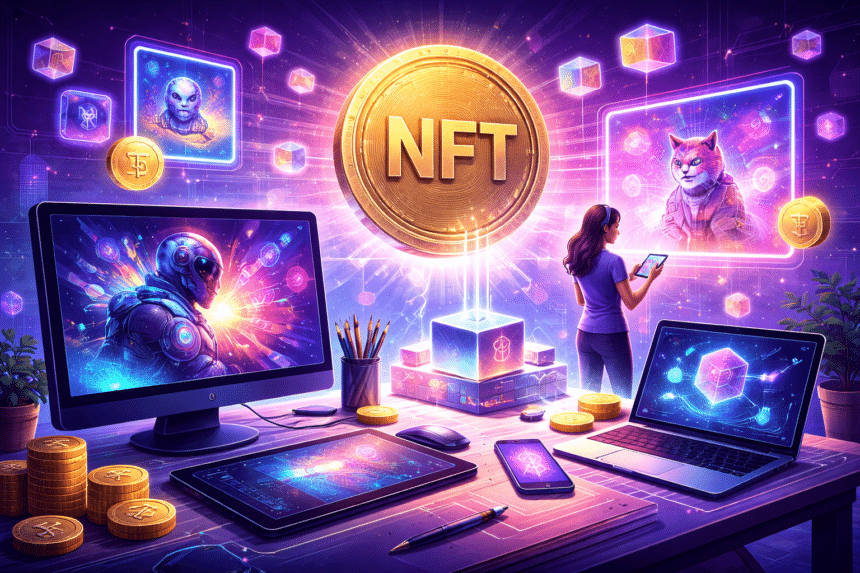

The NFT market has experienced significant changes since it reached its highest point in 2021. The industry reached a period of quiet operations after its 2022 and 2023 slowdown which lasted until its current stage of development. Recent blockchain analytics reports show that global NFT trading volume reached multiple billion dollar milestones again in 2025 and continued to grow through 2026. The current emphasis has moved away from excitement to practical applications of technology. The primary activities of the current time period emerge from gaming activities combined with digital identity usage and real world asset tokenization and brand loyalty program operations.
Major brands and entertainment companies and gaming studios use NFTs to verify ownership and create digital collectibles. Independent creators continue to launch new collections while they generate royalty income through their work. The present market environment shows increased competition but requires companies to demonstrate higher professional standards. Buyers demand organizations to provide them with high-quality products and transparent operations and active customer communities.
The search trends indicate that people keep searching for Google and Bing questions which include how to create NFTs and how to mint NFTs and how to sell NFTs. New creators have a desire to learn about the actual procedures and actual expenses and actual income possibilities of their work. This guide explains how to create and sell your own NFTs in 2026 using simple and clear steps.
The goal is not to promise quick profits. The focus is on practical information, updated data, and realistic expectations based on how the market works today.
What Are NFTs and How Do They Work?
What Does NFT Mean?
NFT stands for non fungible token. A non fungible item is something unique and cannot be replaced with something identical. A dollar bill can be exchanged for another dollar bill, but a rare digital artwork cannot be replaced with an identical copy in terms of ownership.
NFTs are digital tokens stored on a blockchain. They represent ownership of a unique digital asset. The asset includes various digital formats which range from images and videos to music files and in-game items and digital property deeds. The blockchain records who owns the NFT and tracks every transaction publicly.
NFTs differ from Bitcoin and Ethereum because these two cryptocurrencies allow users to exchange their tokens at equal value while NFTs maintain unique characteristics. Each token has a unique identifier and metadata. This makes NFTs suitable for digital collectibles and ownership records.
How NFTs Are Stored on the Blockchain
NFTs depend on the operation of smart contracts. A smart contract functions as a blockchain-based program which performs tasks automatically after certain predefined conditions have been satisfied. The minting process of an NFT begins when a smart contract generates a unique token which contains an exclusive identifier together with its associated metadata.
Most NFTs exist on blockchain networks which include Ethereum Solana and Polygon. The blockchain technology provides an open system which allows all users to examine ownership records and transaction information through blockchain explorers.
Digital files are commonly stored outside the blockchain through systems which include IPFS. The blockchain system maintains both ownership evidence and access points to the digital content. This system design maintains network performance while ensuring genuine content verification.
NFT Market Statistics in 2026
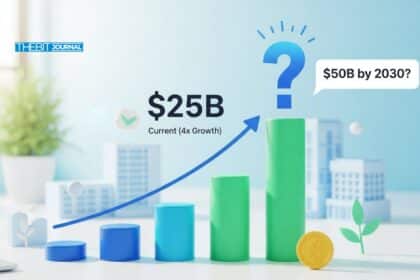
The current NFT trading volume stands below its 2021 peak yet maintains greater stability. Global NFT sales reached an estimated value of over 8 billion dollars during the year 2025. The market volume included substantial contributions from gaming NFTs together with utility-based NFTs.
The active NFT wallet count has risen once more indicating that users have returned to NFT activities. OpenSea, Blur, and Magic Eden all show consistent user engagement throughout each month. Institutional investors show growing interest in gaming projects and tokenized assets.
The NFT market of 2026 focuses on long term asset value instead of speculative trading. This shift affects how creators should approach launching and selling NFTs.
Step 1: Choosing the Right Blockchain for Your NFT
The blockchain selection process determines three main factors which include cost and speed and public visibility. Different networks have different advantages.
Ethereum vs Solana vs Polygon
Ethereum maintains its position as the largest NFT ecosystem. The platform provides strong security features together with its extensive collector base. Network congestion causes high gas fees on the network.
Solana provides customers with both reduced fees and increased transaction speed. The platform has gained popularity among users who want to create gaming NFTs and budget-friendly collections.
Polygon functions as an Ethereum-connected scaling solution. The platform provides users with affordable fees while they access the entire Ethereum ecosystem. The selection process requires consideration of both required expenses and intended user group. Ethereum serves as the primary platform for launching high-end art collections. Solana and Polygon serve as the preferred platforms for gaming projects and experimental projects.
Step 2: Creating the Digital Asset for Your NFT
The NFT serves as a digital asset representation. The value of quality assurance has increased for 2026 compared to previous hype periods. Digital art maintains its significance while gaming assets and utility NFTs experience faster growth. Independent artists use music NFTs as a distribution method. NFT-based real estate tokenization projects utilize their digital assets to show property ownership rights.
Common formats include PNG and JPEG for images, MP4 for video, and MP3 for audio. Each marketplace has file size limits. Metadata must include title, description, and properties. The process of searching in marketplaces becomes easier when product descriptions are clear and metadata is complete.
Step 3: Setting Up a Crypto Wallet
The crypto wallet stores both NFTs and cryptocurrency which users need to pay transaction fees. The most popular wallets include MetaMask which supports both Ethereum and Polygon and Phantom which works with Solana.
The wallets function as browser extensions and mobile applications. Security stands as the most important requirement. Users must keep their private keys and seed phrases completely confidential. Phishing attacks cause the majority of NFT losses.
Step 4: Choosing the Best NFT Marketplace
NFT marketplaces allow users to create new digital assets and sell them. Major platforms include OpenSea, Blur, Magic Eden, and Rarible. The platforms use different pricing models to attract their respective user groups.
Some platforms permit lazy minting, which enables NFT creation to occur only after a sale takes place. This process decreases initial expenses.
Step 5: Minting the NFT
Minting means creating the NFT on the blockchain. The process connects the digital file to a smart contract. The creators need to upload their file and add metadata and choose their blockchain before they complete their transaction through their wallet. The blockchain then records the new NFT. Minting costs depend on network congestion and blockchain choice. On Ethereum, fees can range from $20 to over $100 during busy periods. On Polygon and Solana, fees are usually under 5 dollars.
Step 6: Pricing and Listing Strategy
Pricing affects both product visibility and sales volume. Fixed price listings provide price security through their unchanging rates. Auction events create thrilling moments for bidders yet simultaneously introduce bidding unpredictability. The floor price refers to the lowest listed price in a collection. Market research establishes essential requirements for business operations. Price determination requires assessment of comparable collections in the market. Overpricing decreases the probability of making initial sales to customers.
Research from 2025 shows that new NFTs mostly sell for less than 0.1 ETH except for those which have strong community support behind them.
Step 7: Marketing and Selling NFTs Successfully
Marketing exists as a vital requirement for business operations. NFT projects face difficulties because they depend solely on marketplace visibility to succeed. Social media platforms such as X and Discord function as vital resources for NFT communities. Organizations should establish trust through their practice of sharing routine updates together with upcoming features and open dialogue.
Creators who work together with other creators can expand their audience. The combination of email newsletters with content marketing provides organizations with enduring visibility benefits. Community-driven projects demonstrate better resale performance and higher base value preservation.
Legal and Tax Considerations When Selling NFTs
NFT creators need to learn how token ownership differs from copyright ownership. The creator retains copyright ownership as the default rule until specific commercial rights get transferred to the buyer. The buyer, through this purchase, gains ownership of the NFT which includes partial rights to reproduce and sell the artwork. The project description should include complete license terms which create definite guidelines about usage rights.
In the United States, income from NFT sales is generally treated as taxable income. The resale of an NFT at a higher price results in capital gains tax which applies to the profit made. The length of time the NFT was owned together with the seller’s total income determines the applicable tax rates. Correctly reporting expenses requires businesses to maintain records of their minting costs and gas fees together with their sales transactions. Businesses can protect themselves from legal problems while avoiding penalties through proper record maintenance.
How Much Money Can Creators Make From NFTs?
The NFT market generates highly variable earnings throughout its different segments. The majority of independent creators achieve steady income while only a few collections bring in significant earnings. Recent market data indicates that independent artist sales typically reach between $50 and $500 per NFT based on their visibility and demand. Gaming NFTs attract lower single prices because their multiple transactions create higher total sales. Premium art collections with strong branding and community support can sell for higher amounts, sometimes exceeding $1000 per NFT.
Royalty rates usually range from 5 to 10%, allowing creators to earn income from secondary sales. The marketplace determines whether royalty enforcement will take effect. Some platforms allow buyers to reduce or bypass royalties, which can affect long term earnings. The process of achieving success requires ongoing market engagement and product suitability, which proves more essential than temporary viral popularity.
Common Mistakes and the Future of NFTs
Many new creators enter the NFT market without research or strategy. The combination of overpricing products and failing to consider gas fees together with insufficient marketing efforts creates a situation that decreases sales probability. Businesses that follow popular design trends without creating unique elements will experience restricted potential for their future development. Buyers in 2026 look for authenticity, real utility, and transparent communication. The practice of security mistakes occurs when users click on unknown links or share their private keys because these actions lead to permanent asset loss.
The future of NFTs extends far beyond digital art. Players in gaming ecosystems now possess the ability to use blockchain technology for ownership and trading of in game items. Real estate tokenization projects use NFTs to represent fractional property ownership, increasing market liquidity. Major brands are using NFTs for loyalty programs and digital membership systems. The NFT sector is shifting toward real world function and long term value. Creators who adapt to this utility driven model will establish sustainable success in their field.
Conclusion
Creating and selling NFTs in 2026 requires planning, research, and a realistic approach. The market shows greater stability than its initial hype periods, yet it now faces stronger competition. Achieving success requires organizations to maintain effective blockchain selection practices together with cost control measures and legal compliance knowledge and strategic marketing efforts.
NFTs have developed into digital assets that serve multiple functions in gaming and real estate and online identity verification and customer interactions. The opportunity still exists for creators, but results depend on strategy and quality rather than speculation. The NFT ecosystem of today favors projects that concentrate on delivering value while creating communities and maintaining open operations.
FAQ About the NFT’s in 2026
What is the cost to create an NFT in 2026?
The total expenses for your project depend on which blockchain you use and the present state of network operations. Minting on Ethereum requires users to pay fees which vary between 20 dollars and 100 dollars during times of high network activity. Minting on networks with lower fees such as Polygon and Solana requires users to spend only several dollars. Users must pay extra marketplace fees and they have the choice to spend on promotion activities which are not mandatory.
Which blockchain is best for beginners creating NFTs?
Polygon and Solana provide beginner-friendly options because they offer lower transaction fees combined with faster confirmation times. Ethereum remains the largest NFT ecosystem, but higher gas fees can increase risk for new creators testing the market.
Are NFTs still profitable in 2026?
The NFT market now requires more effort to achieve profitable results because it has become more competitive and lost its previous excitement-based driving forces. The success of the business depends on those four elements: quality of work, customer demand, advertising methods and the level of customer participation. Most creators earn moderate amounts, while a smaller number achieve higher revenue through strong branding and utility.
How long does it take to sell an NFT?
There is no fixed timeline. Some NFTs sell quickly if there is strong demand or community support. Others may remain listed for weeks or months without a sale. Pricing strategy and visibility play important roles in sales speed.
Do NFTs require coding skills to create and sell?
Most NFT marketplaces allow minting without coding. Platforms provide simple interfaces for uploading files and creating listings. However, advanced projects that require custom smart contracts may involve programming knowledge.
Summary
The process of how to create and sell your own NFTs in 2026 involves several structured steps. It begins with understanding how NFTs work and choosing the right blockchain based on cost and audience. The process of creating a digital asset starts when a person produces a high quality digital asset and then establishes a secure crypto wallet to connect with a trustworthy marketplace. The process requires three main steps which involve minting the NFT and establishing a proper pricing system and creating an effective marketing plan to boost product visibility and sales opportunities.
Legal awareness and tax reporting are also important. Copyright ownership, royalty terms, and income reporting must be handled carefully to avoid disputes or penalties. The market shows different earning potentials which require people to maintain practical earning expectations. Content creators who work independently tend to make low income until they develop strong fan bases or provide valuable content.
The NFT market in 2026 shows greater emphasis on functional applications than speculative trading activities. The sectors that will experience growth include gaming and real estate tokenization as well as digital identity and brand loyalty systems. The current success of business operations depends on three main elements which include originality and transparency and long term value creation. The market success of creators who develop their business strategies through structured planning processes will lead to the establishment of stable results.