




Virtual plots of land are now selling for prices that rival apartments in major cities. For anyone who wants to buy metaverse land, the idea often feels both exciting and slightly unreal. After all, these are pixels on a screen, yet people hold them like deeds to digital neighborhoods.
This guide walks new investors through what metaverse land is, why people treat it as a serious digital asset, and how an informed buyer can buy metaverse land without chasing pure hype. It blends crypto fundamentals with real-world analogies, so the process feels less like a puzzle and more like a clear plan.
Along the way, the article looks at how to use metaverse land for gaming, brand building, and long-term investment, while staying aligned with best practices for safety, regulation, and the core indicators that matter in crypto markets.
What metaverse land really is
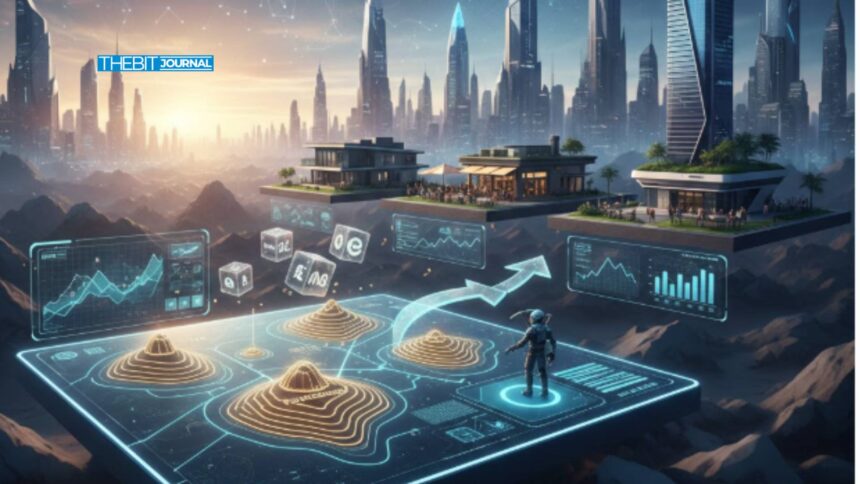
Metaverse land is a parcel of virtual space inside a shared online world. Each plot is usually represented by a non-fungible token on a blockchain. That token records ownership, location, and sometimes utility rights, such as the ability to build, host events, or display branded content.
Before a person decides to buy metaverse land, it helps to understand that these parcels behave like digital real estate. Location inside the virtual map can affect value. Plots near high traffic social hubs, gaming arenas, or event spaces often command higher prices, similar to a shop on a busy street in a major city.
Ownership is enforced by the underlying blockchain. Once a land token sits in a wallet, only the wallet holder controls it. Transfers, sales, and leases are recorded on chain, which creates a public, verifiable history of who has owned that land over time.
Why people care about virtual land
Three broad groups tend to dominate the early demand for metaverse property.
First are gamers and creators. For them, land is a canvas. They build mini games, art galleries, virtual stores, or interactive experiences. Their plots function like immersive websites where visitors do more than just scroll and click.
Second are brands. Companies set up virtual storefronts, event venues, and showrooms. The goal is attention and engagement, especially with younger, digital native audiences that spend more time in online worlds than in shopping malls.
Third are investors. They see metaverse land as a speculative but potentially rewarding asset, similar to early domain names or prime locations in social platforms. For these buyers, the decision to buy metaverse land is mostly about long term demand, limited supply, and the strength of the surrounding ecosystem.
Key crypto indicators to watch before choosing a world
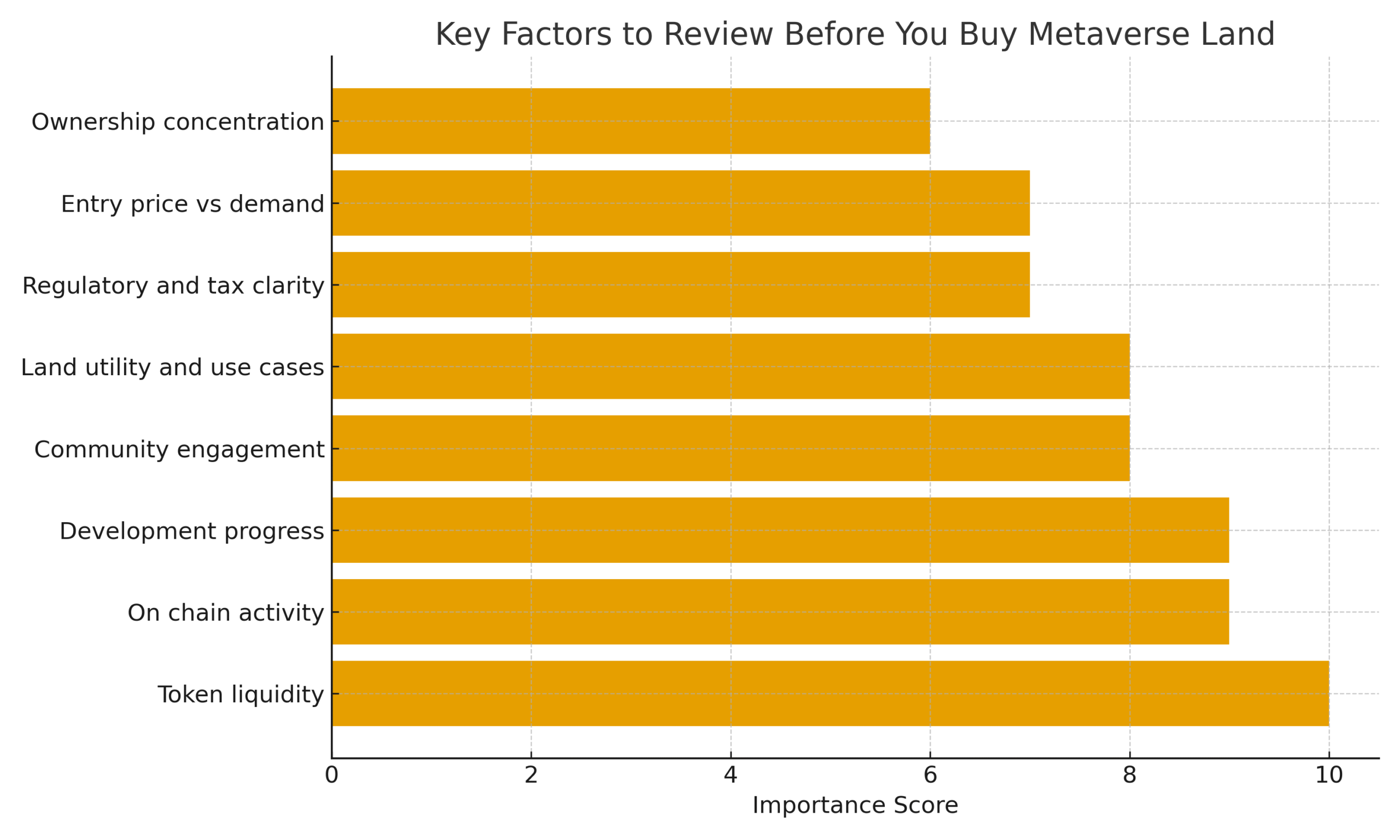
Anyone considering metaverse land is also, in practice, evaluating a crypto project. The land usually depends on a native token, on chain infrastructure, and an active community. Several indicators help separate promising worlds from fading experiments.
Market capitalization shows the total value of the project’s main token. A very low market cap can mean more upside but also higher risk and thinner liquidity. A very high market cap can signal maturity, but it may leave less room for explosive growth.
Trading volume matters just as much. Consistent volume across major trading pairs suggests that investors can enter and exit positions without moving the price too much. Thin volume can trap buyers who want to sell later.
Liquidity across decentralized and centralized venues is another indicator. Deep liquidity pools and tight spreads mean that the token that backs the land can be traded efficiently.
On chain activity also tells an important story. Daily active addresses, transaction counts, and the number of unique land holders reveal whether a world is actually used or simply traded on speculation. A healthy metaverse project shows new wallets, steady interactions, and a spread of ownership rather than a small cluster of whales.
Development progress and ecosystem growth round out the picture. Frequent code updates, new partnerships, fresh in world experiences, and regular communication from the team help to justify the decision to buy metaverse land in that specific environment.
Step by step: how a beginner can buy metaverse land
To actually buy metaverse land, an investor usually follows a clear sequence of steps, even if the details differ slightly between projects.
The process starts with research. The buyer studies several metaverse platforms, checks maps, reviews token metrics, and reads community discussions. The goal is to understand what makes each world unique and how land is used there.
Next comes wallet setup. The buyer creates a compatible crypto wallet that supports the chain on which the land exists. Proper security is crucial. Seed phrases must be stored offline, multi-factor tools should be enabled where possible, and the wallet should be protected like a digital vault.
After that, the buyer acquires the relevant cryptocurrency. This is usually the native token for the metaverse or a widely used asset that can be swapped for it. Exchange fees, network fees, and local regulations all need to be taken into account.
The buyer then connects the wallet to a trusted marketplace or the official land sale portal of the project. Here, individual parcels appear with coordinates, size, price, and sometimes historical data. At this stage, it is sensible to check surrounding plots, planned infrastructure, and recent sale prices nearby.
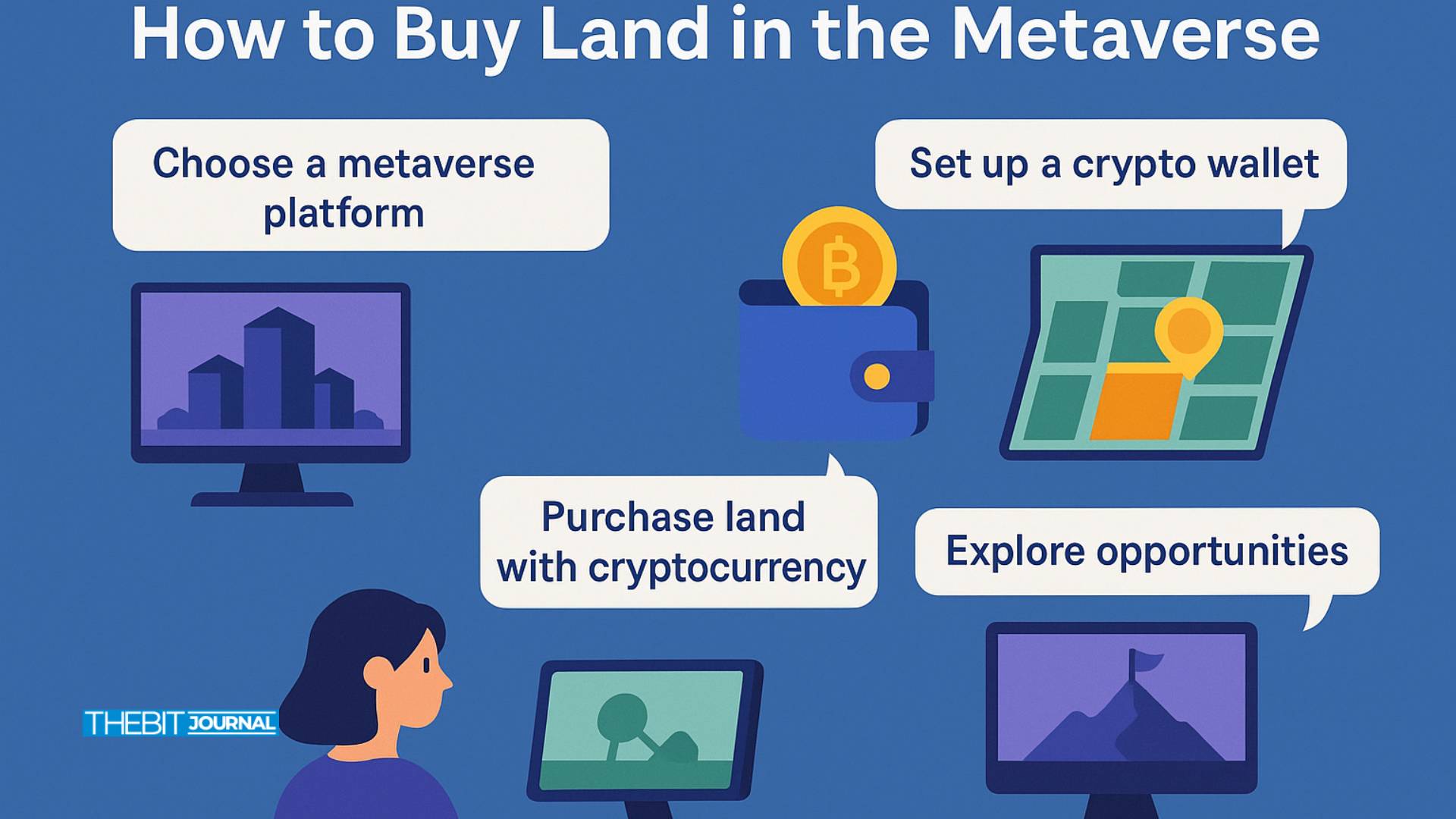
When a suitable plot appears, the buyer confirms the listing, reviews the gas fee, and approves the transaction from the wallet. Once the transaction is verified on chain, the land token moves into the buyer’s wallet and the new ownership becomes part of the public ledger.
A careful investor then verifies that the plot appears correctly inside the metaverse map and that all associated rights, such as building or renting, function as expected. Only after that confirmation should the buyer label the process complete.
Using metaverse land for gaming, investing, and digital property
Once someone manages to buy metaverse land, the real work begins. A plot that sits empty may gain value during a bull market, but utility often drives long term relevance.
Gamers can turn land into interactive arenas, puzzle worlds, or social hangouts. When gameplay is fun, visitors return, which can increase traffic and attention around that area of the map.
Creators and brands can build galleries, studios, classrooms, or showrooms. Virtual concerts, product reveals, and educational sessions convert a simple plot into an experience that people remember.
Investors think in terms of income streams. Metaverse land can potentially be rented, used to host sponsored content, or developed and later resold. In this context, the choice to buy metaverse land becomes part of a broader digital property strategy that includes location scouting, design, and audience building.
Risk, regulation, and protecting capital
The decision to buy metaverse land involves significant risk. Prices can be highly volatile. Entire virtual worlds can lose relevance if the community moves on or the development team fails to deliver promised features.
Regulation is another moving piece. Different countries treat crypto assets in very different ways. In some places, virtual land may fall under rules for digital assets or even property, which can affect tax treatment and reporting duties. Anyone planning serious investment should consult qualified legal and tax professionals who understand both local law and digital assets.
Security remains a constant concern. Phishing websites, fake marketplaces, and impersonated land sales are common traps. Before a buyer connects a wallet or signs any transaction, URLs need to be double checked, contract addresses confirmed, and approvals reviewed carefully.
Diversification is often a sensible approach. Rather than putting all capital into a single world, investors can spread exposure across several projects and tokens. This does not remove risk, but it can reduce the impact of any single failure.
Conclusion: entering digital real estate with clear eyes
The idea of virtual property can sound like science fiction. Yet for many people, online spaces now feel as real as physical streets. To buy metaverse land is to claim a stake in those spaces, whether for play, storytelling, business, or speculation.
A thoughtful approach blends curiosity with caution. Investors who study token indicators, follow development progress, respect security rules, and understand local regulation stand in a stronger position than those who rush in on hype. For anyone who chooses to buy metaverse land, the aim should be simple: treat it with the same seriousness as any other asset, and build digital places that people actually want to visit.
Frequently Asked Questions
What is metaverse land in simple terms?
Metaverse land is a digital plot inside a virtual world, represented by a token on a blockchain. Owning the token gives control over that specific piece of virtual space.
Is buying virtual land the same as buying physical property?
The concept is similar, but the legal framework is very different. Virtual land is a digital asset with ownership recorded on chain, while physical property is governed by real estate law and local land registries.
How much money is needed to start with metaverse land?
Entry costs vary widely. Some smaller plots in lesser known worlds can be relatively affordable, while prime locations in popular projects can cost as much as luxury physical property.
Can metaverse land generate income?
Yes, in some cases. Owners may rent plots, host paid events, display sponsored content, or later resell developed property. Income is not guaranteed and depends on traffic, demand, and project health.
Is metaverse land a safe investment?
It is a high risk asset class. Prices are volatile, regulation is evolving, and entire projects can fail. Investors should only commit capital they can afford to lose and should seek professional advice where appropriate.
Glossary of key terms
Metaverse
A network of persistent virtual worlds where people interact using digital avatars for gaming, social activity, work, and commerce.
Virtual land
A parcel of digital space inside a metaverse project, usually mapped by coordinates and represented by a token on a blockchain.
Non fungible token (NFT)
A unique digital token that represents ownership of a specific asset, such as a piece of virtual land or a digital artwork.
Market capitalization
The total value of a crypto asset, calculated by multiplying the token price by the number of tokens in circulation. It is a key indicator of project scale.
Liquidity
The ease with which a token can be bought or sold without causing major price swings. Deep liquidity supports smoother trading when dealing with metaverse related tokens.
On chain activity
The record of transactions and interactions on a blockchain. High activity can signal strong user engagement in a metaverse ecosystem.
Gas fee
The transaction cost paid to process actions on a blockchain, such as transferring tokens or purchasing metaverse land.
Wallet
A digital tool that stores private keys and allows users to hold, send, and receive cryptocurrencies and tokens, including those linked to virtual property.
References/Sources