


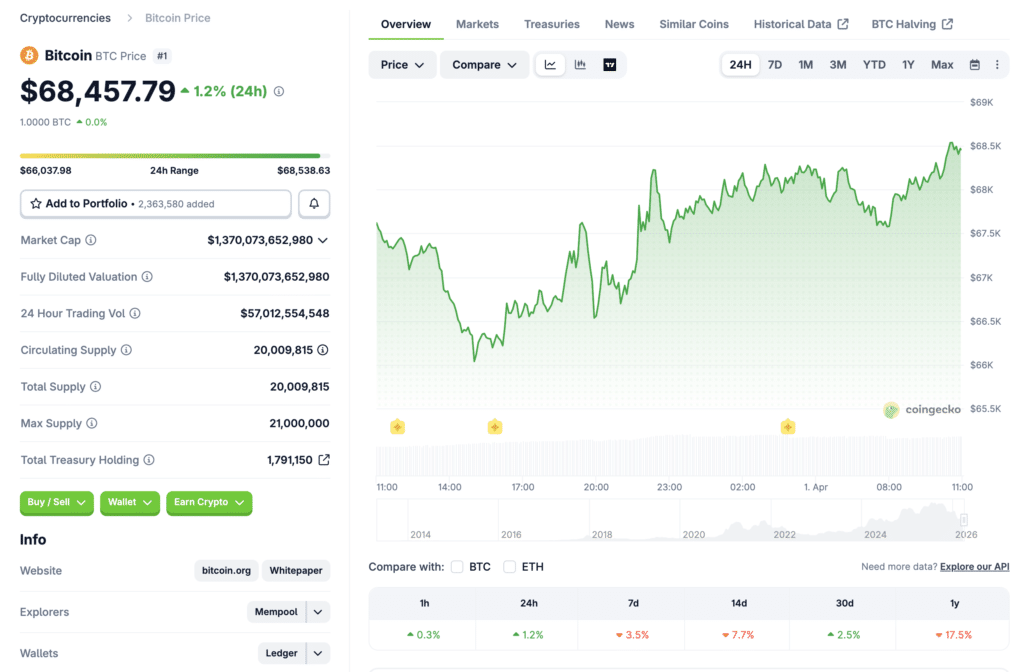
CoinMarketCap tracks the real-time price of Bitcoin, which is $67,715.14 USD with a 24-hour trading volume of $41,573,352,533 USD today. Bitcoin is slightly up over the last 24 hours currently trading at $33,034 with a live market cap of over $1.35 trillion and a circulating supply close to the cap limit for the protocol of 21 million coins. CoinMarketCap data shows continued resilience in the flagship cryptocurrency, while members of the community debate technical issues like the quantum crypto upgrade and threats from ever-increasing quantum computing tech until 2026.
The hype over a quantum crypto upgrade is not academic. While experts grapple with whether quantum computing could compromise traditional modes of cryptography, those in finance and building blockchain decide for themselves how quantum computing crypto may change the way we safeguard digital assets today. The real question now is not simply will quantum computing ultimately break Bitcoin, but rather how quickly can blockchain networks morph to survive in that future?
CZ’s View on BTC Being Threatened by Quantum Computing
Binance founder Changpeng “CZ” Zhao has been in the hot seat when it comes to fielding questions about the quantum threat to Bitcoin and other digital assets. The core of CZ’s message is simple: there’s “no need to panic” about a quantum apocalypse. Instead, he contends existing blockchain protocols need to adopt a post‑quantum cryptography crypto regime to reduce possible future quantum threats (BeInCrypto).
CZ says that switching to quantum‑resistant cryptographic algorithms is theoretically simple. But enacting the changes in decentralized systems like Bitcoin and Ethereum is far more difficult. Such a process could lead to cumbersome results, including that potential forks and users will have to update wallets to newer formats. CZ’s comments throw into relief a dual reality: the crypto security quantum computing talk is time sensitive, but technical adaptation is achievable with concerted action across network participants.

Challenges of a Post‑Quantum Upgrade
Although this is very high level, the practical aspects of a crypto post quantum upgrade would require significant technical efforts. Post‑quantum cryptography is about creating algorithms that are hard for quantum computers to break. Most existing cryptographic schemes, including those used in Bitcoin’s elliptic curve signatures, would also be insecure once powerful enough quantum computers exist (Wikipedia).
One of the biggest difficulties is synchronizing updates in decentralized systems. We do require broad consensus to upgrade, which is different than systems that are centralized that can push an update in a matter of hours. Any potentiated impact of quantum computing on blockchain protocols will require careful management and governance or risk teleporting splits and/or chain forks. The industry is already in talks about solutions, but how long that would take is unclear.
Satoshi’s Coins and the Quantum Security Discussion
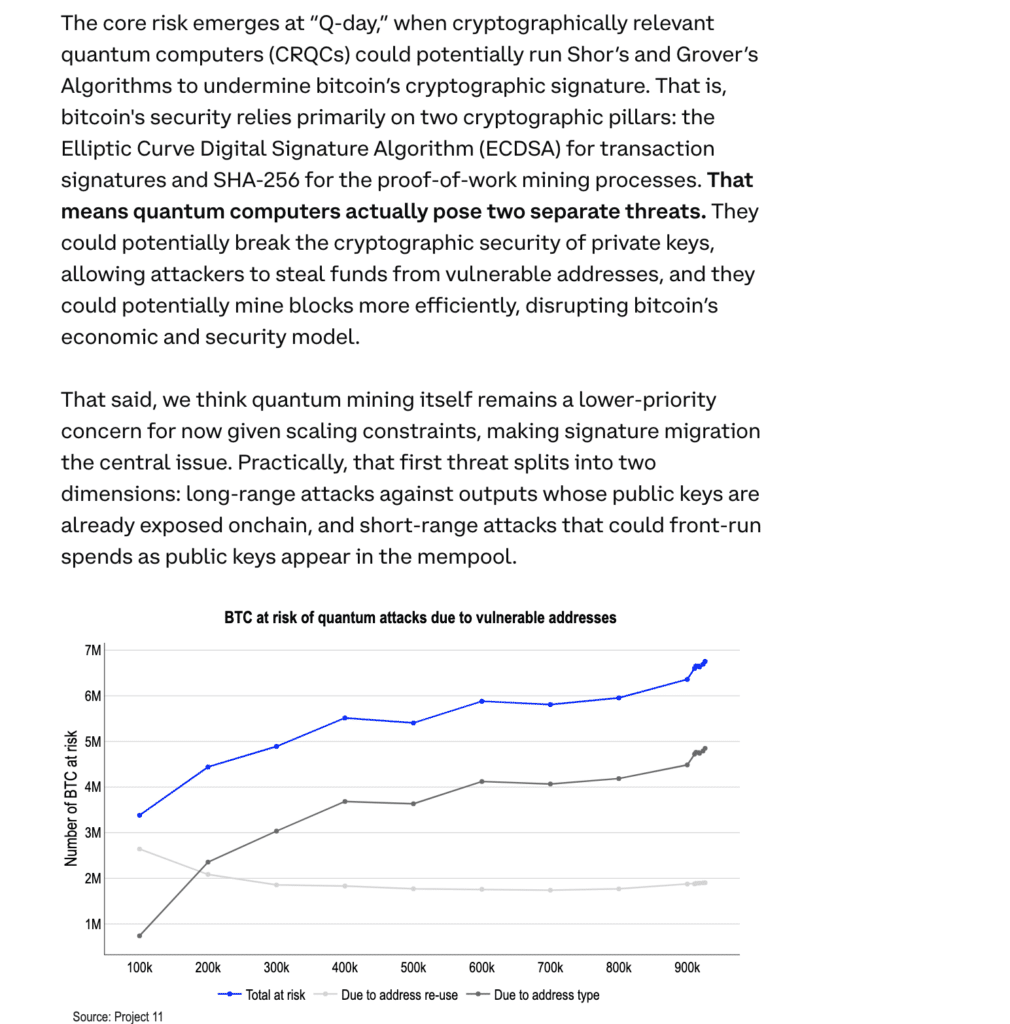
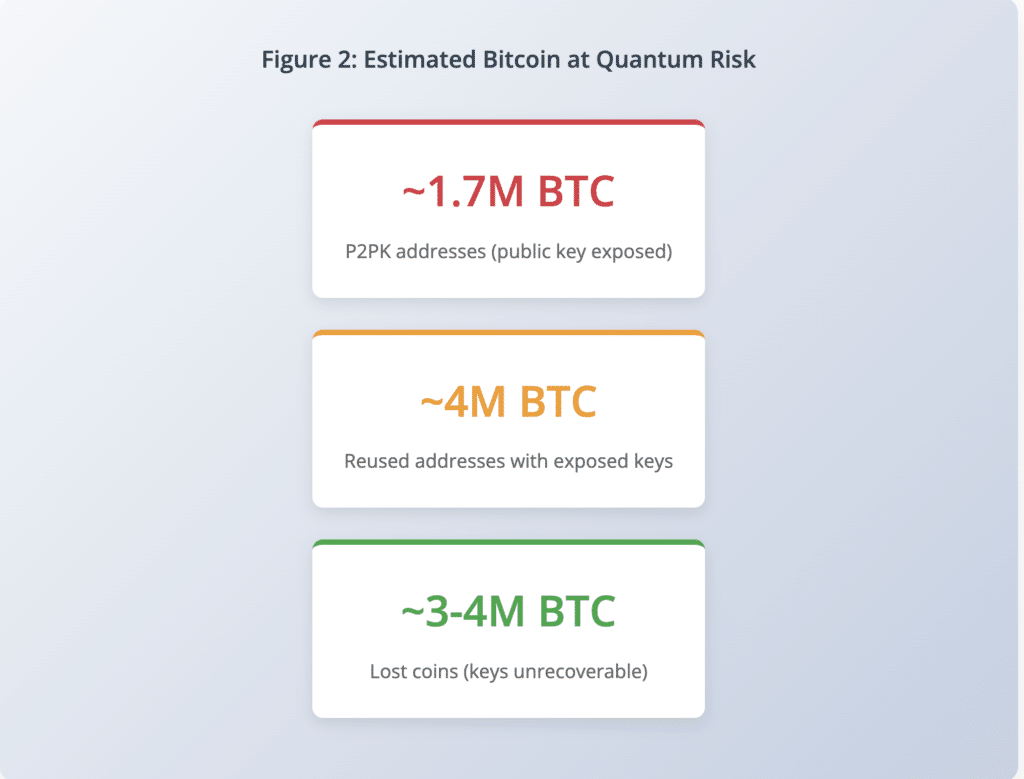
A major and controversial part of the quantum crypto upgrade 2026 discussion concerns dormant Bitcoin holdings associated with Satoshi Nakamoto. CZ speculated that dormant Bitcoin would have to be locked or destroyed if they did not move from early addresses within a specific window of time. This proposal serves as a way to minimize the possibility of these coins becoming the target of a future quantum‑era attack, where present-day cryptographic defenses would eventually be compromised (BeInCrypto).
This concept sparks profound philosophical and technical questions in the crypto community. And there’s the expedient but still practical corollary: Keeping the network secure from quantum‑era threats is of utmost importance. Changing the immutability principles many consider fundamental to Bitcoin would cause a scandal, however. Debates about whether to freeze or protect dormant Bitcoin reflect deeper anxieties about balancing security and protocol purity.
Quantum Era: A Comparison between Bitcoin vs Other Blockchains
However, when taking a broader view of the entire landscape, it becomes apparent that not all crypto projects have an equal place in a post-quantum computing era for security. Bitcoin and Ether, for instance, depend on well-proven cryptographic techniques that are not even quantum‑resistant by design. As a part of the post‑quantum cryptography crypto movement (KuCoin), their security mechanisms will need to develop.
On the other hand, some newer blockchains and projects have been architected from the start with quantum resistance in mind. Key to these networks are quantum‑secure algorithms, which could give them an edge in the longer term. The disparity between legacy systems and quantum‑native blockchains highlights the need for proactive upgrades and innovation to safeguard cryptographic protocols.
Next Steps: Industry Preparedness and the risk ahead
Quantum computing’s potential to upend current methods of encryption is not lost on the broader tech world. It will be quite ironic when majority of companies including Google have warned that there would be quantum systems capable to break existing cryptographic standards in less than decade (The Guardian) which leads to calls for the industry‑wide adoption of quantum resistant blockchain protocols.
The crypto sector is responding with research on hybrid systems combining traditional and quantum‑secure signatures, and community efforts to build out standards for secure upgrades. The question facing analysts and developers at this point isn’t so much whether Bitcoin will survive quantum computers, but when — not if — the ecosystem will put functional safeguards in place.
Conclusion
The quantum crypto upgrade 2026 represents one of the most technically complex and strategically important challenges facing the blockchain industry. CZ’s reassurances signal confidence that digital assets can adapt, but the cost, coordination, and execution of these changes will define the future of crypto security. As the conversation intensifies around crypto encryption future and quantum computing vs blockchain security, networks that proactively embrace quantum‑resistant solutions are positioned to lead.
Investors and developers should closely monitor governance decisions and proposals related to post‑quantum upgrades. Staying informed, advocating for robust quantum‑safe standards, and participating in community discussions will be critical. The path forward requires collaboration, innovation, and decisive action if cryptocurrencies are to thrive in a quantum‑enabled world.
Appendix: Glossary of Key Terms
Quantum Crypto Upgrade: A transition to cryptographic algorithms resistant to quantum computing attacks.
Quantum Computing Crypto: The context of quantum computers interacting with blockchain cryptography.
Post‑Quantum Cryptography Crypto: Cryptography designed to withstand quantum computing threats.
Quantum Resistant Blockchain: Networks that use quantum‑safe cryptographic methods.
Bitcoin Quantum Risk: The theoretical threat quantum computing poses to Bitcoin’s current cryptography.
Frequently Asked Questions About Quantum Crypto Upgrade
What is a quantum crypto upgrade?
It’s the process of adopting cryptographic methods designed to resist quantum computing attacks.
Will quantum computing break Bitcoin?
Current quantum computers are not powerful enough yet, but future systems could pose a risk without upgrades.
Is Ethereum safer than Bitcoin against quantum threats?
Both require upgrades; neither is inherently quantum resistant under current standards.
References
Coinbase Institutional Research
Post Quantum Cryptography (PQCrypto)
Disclaimer:
The live BTC price referenced in this article is for informational purposes only and may not reflect real‑time market conditions. Cryptocurrency investments are speculative and involve significant risk.