




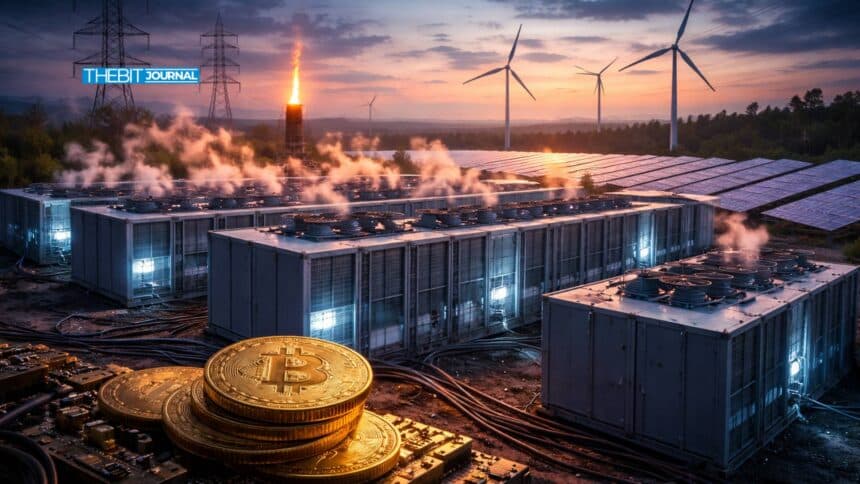

The climate story around Bitcoin is usually told in absolutes, but a new ESG-focused analysis tries to keep it grounded. It says 56.7% of the network’s power is now “sustainable” under a modeled estimate, and it argues that Bitcoin mining can sometimes support climate goals when it behaves like a flexible industrial load instead of a stubborn, always-on demand block.
Why Bitcoin mining is showing up in climate conversations
The argument begins with flexibility. Bitcoin mining can ramp power use down quickly because the output is compute, not a physical product that must run through fixed production lines. Supporters say this can help grids adding variable wind and solar, but only when curtailment is enforced through contracts and grid programs.
Grid bottlenecks are one reason this debate is heating up. In the United Kingdom, reforms have aimed to prioritize ready projects and clear clogged connection queues, and European grid operators have warned that congestion and slow permitting can stall renewable deployment.
A greener mix, but the numbers still need context
The 56.7% figure is one scorecard, built from modeled assumptions and network data. Cambridge’s 2025 industry report, using survey-based evidence, reported 52.4% sustainable energy and noted that natural gas became the largest single energy source while coal fell sharply.
Those differences are a reminder that averages do not equal accountability. ESG credibility depends on site-level proof such as metered sourcing and independent verification.

Interconnection queues and the flexible-load pitch
The analysis argues that Bitcoin mining can act as an early buyer for renewable generation that would otherwise be stranded or curtailed while developers wait for grid upgrades. If a project can sell power immediately, even at partial scale, that revenue can improve financing and shorten the painful gap between construction and full grid access.
Flexibility is the second part of the pitch. During Texas’ July 2022 heat wave, reporting described miners powering down as demand surged, easing pressure on the grid during an extreme event. The near-term grid value comes from verifiable curtailment when reliability is on the line.
Heat reuse is the simplest climate claim to audit
Heating remains one of the biggest fossil-fuel sinks in the global energy system, so the heat-reuse thesis is easy to understand: electricity runs machines, machines produce heat, and captured heat can displace boilers. The report points to Bitcoin mining as a source of recoverable heat that can be sold rather than wasted.
In Finland, MARA has described integrating operations into district heating networks and supplying heat to roughly 80,000 residents. For ESG readers, the test is measurement: electricity input, heat captured, fuel displaced, and what is independently verified.
Microgrids and R&D, where cash flow is the constraint
The report also points to rural microgrids, where clean generation can fail because local demand is uneven and revenue is unstable. It cites projects in Africa that use compute demand to stabilize finances, claiming electricity access support for 8,000 previously unconnected homes across Kenya, Malawi, and Zambia. In that model, Bitcoin mining is treated as an anchor customer that can curtail when households need power.
It also cites ocean thermal energy technology as an example of a renewable idea that has struggled on cost since the 1980s, suggesting that flexible loads can finance early deployments before large buyers arrive.
Methane mitigation is where credibility is earned
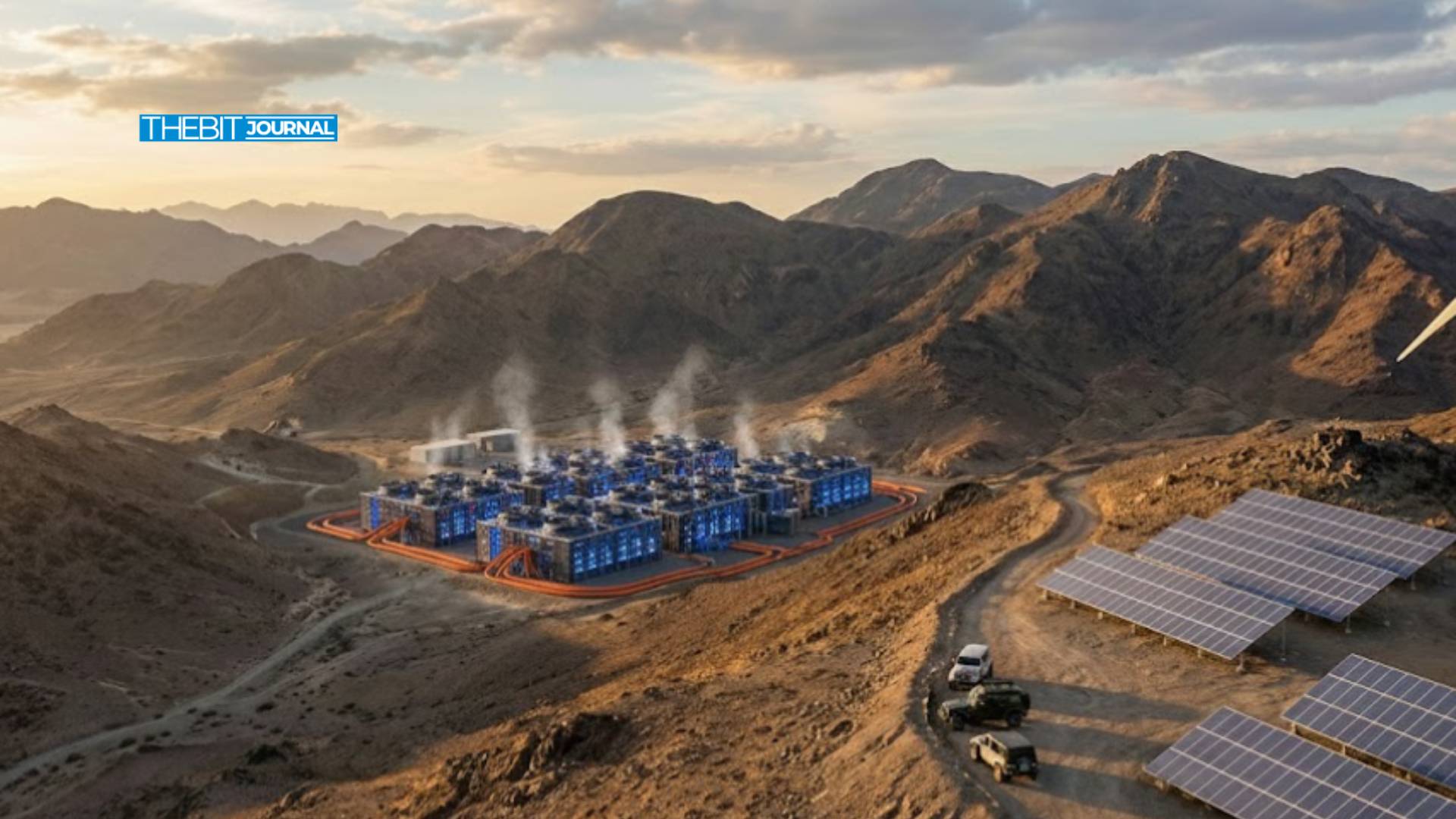
Methane emissions from landfills and oil and gas sites remain a stubborn climate problem, and the report argues that onsite generation paired with Bitcoin mining can reduce venting and inefficient flaring by monetizing stranded gas. It claims the mitigation effect has already reached 7% of the network’s emissions.
Companies building mobile data centers for flare mitigation describe similar economics, arguing that turning waste gas into electricity can work when pipelines or capture equipment do not pencil out. This area also needs the toughest standards, because baselines and measurements decide whether emissions are truly reduced.
What markets should track next
Bitcoin mining still lives and dies by basics: hash rate and difficulty, the block subsidy and transaction fees, and energy cost per kilowatt-hour.
On the climate side, the same discipline applies. Investors and regulators will care about sourcing definitions, site-level emissions intensity, verified demand-response participation, and audited reporting for heat reuse or methane projects. Cambridge’s report offers a structured snapshot, while modeled dashboards update more dynamically, and the gap between them is exactly why verification is becoming a competitive advantage.
Conclusion
The new ESG case is not that every operator is clean, or that criticism should vanish. It is that Bitcoin mining has credible pathways to be useful, and those pathways are measurable: easing renewable bottlenecks, recycling heat, supporting microgrid economics, and reducing methane waste when monitoring is rigorous. The next chapter will be decided less by rhetoric and more by disclosure, audits, and grid rules that prioritize reliability.
FAQs
What does “sustainable energy share” mean in these estimates?
It refers to electricity attributed to renewables and nuclear, estimated from surveys and modeled hashrate distribution.
Why do reputable sources show different percentages?
Different definitions, samples, and time windows can produce different results across surveys and models.
Does flexible load always help a grid?
It helps most when curtailment is enforced through contracts and grid programs, and it helps less when the load sits behind constrained transmission or ignores local reliability needs.
Are methane projects automatically climate positive?
No. The climate value depends on what would have happened otherwise, and on monitoring quality that confirms real emissions reductions.
Glossary of key terms
Carbon intensity
The emissions associated with producing a unit of electricity, often expressed as CO2e per kilowatt-hour.
Curtailment
A reduction in power output, often from renewables, because the grid cannot absorb generation at that moment.
Demand response
A grid program where large users reduce consumption during peak demand or grid stress.
District heating
A centralized system that distributes heat to buildings through insulated pipes.
Interconnection queue
The pipeline of projects waiting for approvals and upgrades needed to connect to the grid.
Methane mitigation
Actions that reduce methane emissions, including reducing venting and flaring at waste sites.
References