





The sports world is changing in quiet ways, less talk, more writing. The big shift is not a new logo on a jersey. It is a set of rails that teams, leagues, and venues now use behind the scenes. Ticketing lives on verifiable ledgers. Identity and loyalty work together without messy handoffs. Sponsorship payouts settle with fewer disputes. The fan still taps a phone at the gate and finds a seat. What changed is the plumbing that makes the day run.
This article explains how blockchain is moving from campaign to core. It covers real stadium jobs, the network traits that matter, the risks to manage, and the simple path a club can take to start. It also looks at what this trend signals for the wider crypto market.
From sponsorship to systems that solve real pain
The first wave of crypto in sports was visibility. Brands hunted eyeballs. That phase delivered reach, but it did not fix the headaches that staff face on matchday. Counterfeit tickets. Resale chaos. Fragmented loyalty points. Slow settlements between partners. Data that drifts when many vendors touch it.
The second wave targets those problems. Blockchain fits because many parties need a shared record they can trust. Smart contracts automate rules. Transfers leave trails. Audits become simple. Error rates fall. The best rollouts treat the chain like wiring in a wall. The fan gets a smoother day without learning new jargon.
Where blockchain plugs into the stadium stack
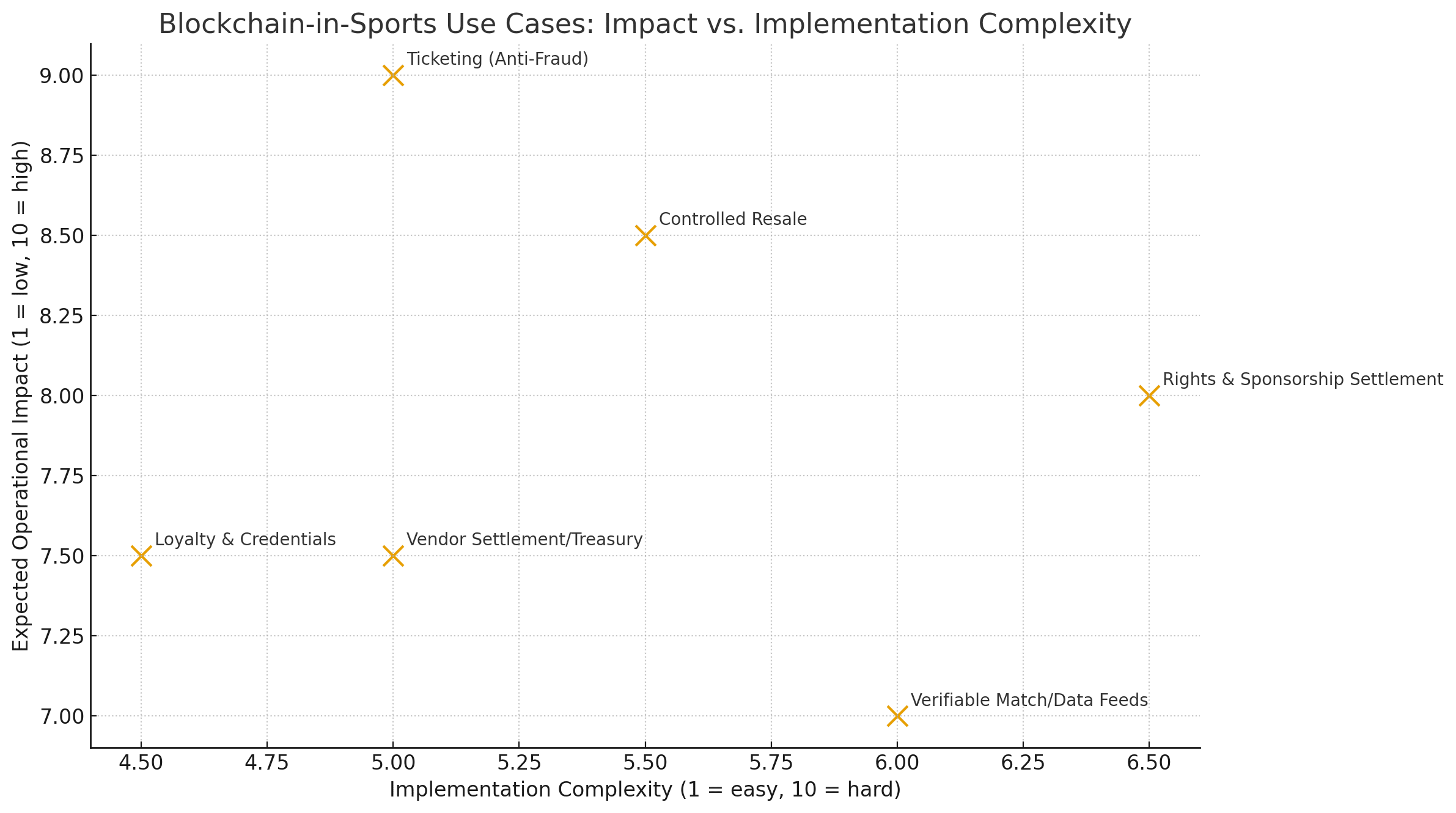
Ticketing and access control
Paper tickets and static codes are easy to fake. On-chain tickets are issued with clear rules. A club can cap resale prices, limit transfers, and revoke items tied to fraud. If a kickoff moves, a smart contract can update entitlements in one sweep. Stewards see cleaner logs. Fans enjoy safer transfers. Venues reduce disputes and entry delays.
Identity and loyalty that actually travel
A fan’s identity is often split across apps. On-chain credentials can bind attendance, purchases, and engagement into a portable profile that the fan controls. Clubs can issue non-transferable badges for season attendance or verified membership. Those badges unlock perks without blasting personal data to every third party. The result is targeted rewards and stronger retention.
Rights, sponsorships, and settlements
Sponsorships involve many milestones. Proof of placement, usage windows, revenue sharing, and bonus triggers can live in smart contracts. When a condition is met, funds release and every party sees the same ledger. Fewer emails. Fewer end-of-season reconciliations. Less friction.
Trusted data for play and performance
Timing, ball tracking, athlete metrics, and equipment chain-of-custody can be hashed on chain. That creates a tamper-evident timeline. A collectible tied to a match event becomes easy to verify years later. Scouting partners can share sensitive metrics with integrity checks in place. Fans gain products that feel real, not inflated.
How to judge networks with the same rigor teams use
Leaders in sport do not pick a network for hype. They measure traits that match real stadium needs. These indicators also help crypto analysts judge a chain’s staying power.
Throughput and finality matter first. Turnstiles, in-app redemptions, and instant perks rely on fast, predictable confirmation. If finality drifts, queues form and tempers rise.
Fees must stay low and stable. A ticket transfer or loyalty redemption should not cost a coffee. Large events see spikes, so capacity planning and fee controls are essential.
Uptime and resilience are non-negotiable. A chain that stalls during a derby creates chaos. Historical incident records, client diversity, and recovery playbooks are part of vendor due diligence.
Security and decentralization go together. Strong validator sets, proven clients, and real bug bounties reduce risk. Sports are soft targets for attackers. The stack must withstand pressure.
Identity and compliance tooling should be built in. Allowlists, non-transferable tokens, and privacy layers support age checks, local rules, and venue policies. These features cut custom code and legal risk.
Ecosystem maturity saves time. SDKs, wallet options, analytics, and support partners shorten the path from pilot to production. The best technology fails without clean developer tools.
Liquidity and interoperability support healthy markets for digital items. Clubs may want collectibles to trade or move to trusted custodians. Bridges and standards help with that.
Stablecoin and fiat on-ramps simplify money flows. Concessions, vendor payouts, and sponsorship settlements benefit from tokens that track major currencies and meet compliance needs.
Compliance and privacy in a high-stakes setting
Sports operate under strict rules. Consumer protection, data protection, resale law, and betting restrictions all apply. Blockchain does not remove these duties. It offers better controls. The safe pattern is simple. Keep personal data off-chain. Write hashes or references on the chain. Use role-based keys for staff and vendors. Log changes with clear permissions. Share only what partners need, nothing more.
Some hybrid products sit near regulated lines. For example, digital items that touch ticket rights or lottery-style features may require extra review. Clear disclosures, simple UX, and regional checks keep fans safe and projects stable. The aim is to communicate in plain language and remove surprises.
Business models that earn trust
Winning models create value for every person who touches the game day.
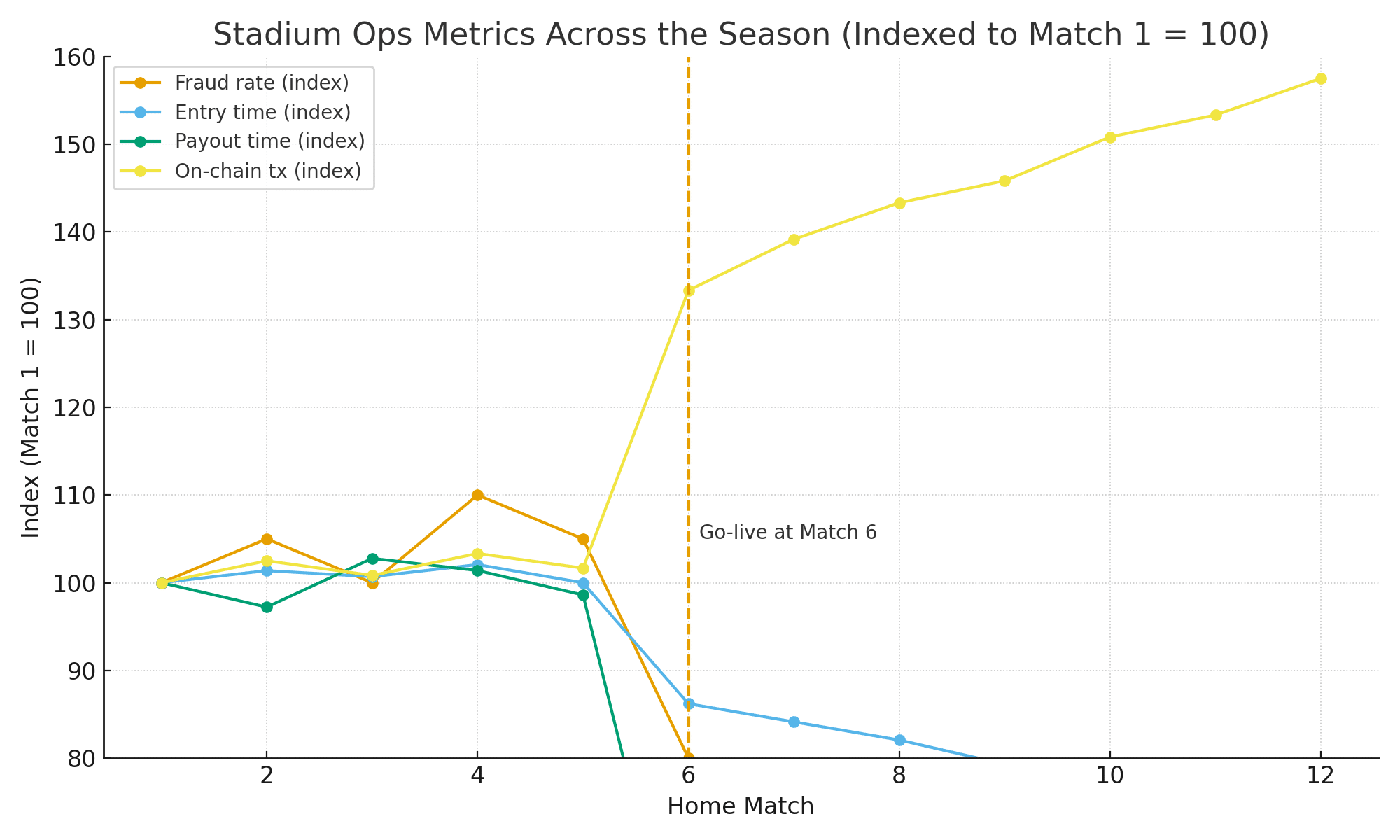
Clubs regain control of the secondary market and share in resale revenue under fair caps. Fans transfer tickets safely and earn status for attendance. Sponsors link benefits to verified engagement instead of vanity impressions. Venues settle with vendors in near real time and hold fewer disputes. The system keeps working after the final whistle. A digital match token can later unlock a merch discount, a presale window for a cup tie, or a small group session with a club legend. That is loyalty with real utility.
Lessons from early adopters
Successful rollouts share the same playbook. Narrow scope. Strong UX. Clear language. Real support on matchday. Training for stewards. Dry runs before big fixtures. One or two core jobs done well beat a messy pile of features.
Where projects stumble, the reasons repeat. Over-financialized offers that confuse supporters. Wallet friction that scares casual fans. Vendor lock-in with no export path. Weak fallback plans when traffic spikes. These are solvable. Pick standards. Map a graceful downgrade path. Test for peak loads. Treat the fan journey as the product, not the token art.
A simple way for any team to start
Pick one pain point. Ticket fraud, resale control, or loyalty fragmentation are common. Define one metric that proves success. Choose a network with low fees, fast finality, and mature tooling. Keep personal data off chain. Start with a custodial experience if needed, but offer a path to self-custody later. Explain the change in clear language. Run one season with a real feedback loop. Ship small updates. Scale only after the basics hold under pressure.
What this trend means for crypto markets
When sports use blockchain for production work, the market receives a strong signal. Networks that process millions of small, low-value transactions gain a durable use case. That favors chains with stable fees, strong uptime, and healthy validator sets. Demand rises for regulated stablecoins and for middleware that handles identity, wallets, and analytics. Analysts can watch event day spikes in active addresses, credential minting tied to attendance, and settlement volume for sponsorships. These are real-economy signals that sit apart from hype cycles.
Risks and how to manage them
Hype risk remains. Projects that sell speculation first and utility later lose fans. Keep scope honest. Build with a clear reason and a clear user. Vendor risk is next. Avoid closed formats. Insist on export tools and documented standards. Operational risk follows. Stadiums are live environments with little room for mistakes. Practice at small events. Use soft launches. Maintain manual backups. Security audits for smart contracts and wallet flows are mandatory.
The road ahead
The line is moving from experiment to infrastructure. Teams and venues are not shouting about blockchain. They are using it to make stadium days simpler. The best systems will fade into the background. Fans will feel shorter lines, safer transfers, and cleaner perks. Partners will settle faster with fewer disputes. The technology will sit in the walls, where good infrastructure belongs.
Conclusion
Sports are adopting blockchain because it solves real jobs. Ticketing becomes safer. Identity becomes portable. Rights and money settle with less drama. Data gains integrity. The clubs that win will pick focused targets, design for everyday fans, and measure results with care. The same approach will guide investors toward networks that can support steady, real-world demand. Quiet progress will beat loud promises, and the stadium will become one of the clearest paths to mainstream use.
Frequently Asked Questions
What problem does blockchain solve for ticketing?
It creates a shared record of ticket creation and transfer. Clubs set rules for resale, cap prices, and trace every handover. Fans move tickets safely and avoid fakes. Stewards gain clear logs at the gate.
Will fans need new wallets to use these systems?
Early rollouts often use custodial accounts inside the club app. Fans can export to a personal wallet later. This path keeps onboarding simple for casual users while preserving choice.
Does blockchain expose personal data to the public?
Best practice keeps personal data off chain. Systems write hashes or references on chain and store sensitive data with access controls. This supports audits without exposing identities.
How do smart contracts help with sponsorships?
They hold rules for milestones, proof of placement, and revenue sharing. When a condition is met, payouts happen, and every party sees the same ledger. Disputes and delays shrink.
Which network features matter most for stadiums?
Low fees, predictable finality, strong uptime, robust security, identity tools, and mature SDKs. The exact choice depends on regional rules and the use case, but these traits form the base.
Glossary of Key Terms
Smart Contract
Code that runs on a blockchain and enforces rules automatically when set conditions are met.
NFT
A unique digital token that represents ownership or rights. In sports it can be a ticket, collectible, or access pass.
On-chain Credential
A token that proves something about a fan or event, such as verified membership or attendance.
Finality
The point at which a transaction is confirmed and cannot be reversed or reorganized.
Stablecoin
A digital token designed to track a fiat currency. Useful for quick and predictable settlements.
Validator
A node that secures the network by proposing and verifying blocks.
Custodial Wallet
A wallet where a provider manages keys for the user. Helpful for easy onboarding.
Decentralization
Distribution of control across many participants. This reduces single points of failure and censorship risk.
The price predictions and financial analysis presented on this website are for informational purposes only and do not constitute financial, investment, or trading advice. While we strive to provide accurate and up-to-date information, the volatile nature of cryptocurrency markets means that prices can fluctuate significantly and unpredictably.
You should conduct your own research and consult with a qualified financial advisor before making any investment decisions. The Bit Journal does not guarantee the accuracy, completeness, or reliability of any information provided in the price predictions, and we will not be held liable for any losses incurred as a result of relying on this information.
Investing in cryptocurrencies carries risks, including the risk of significant losses. Always invest responsibly and within your means.
For advertising inquiries, please email . [email protected] or Telegram