



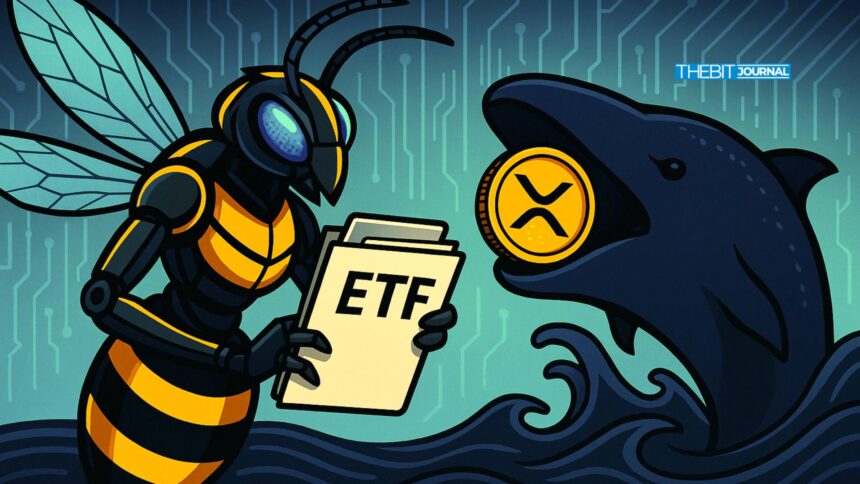

Cyber Hornet has filed for a new ETF that blends S&P 500 equities with a significant XRP allocation. What makes the filing stand out isn’t the hybrid strategy itself, but its candid acknowledgment of whale manipulation risk.
This admission highlights a growing debate around how concentrated ownership of digital assets influences both price stability and investor confidence.
Whale Manipulation Risk Moves to the Forefront
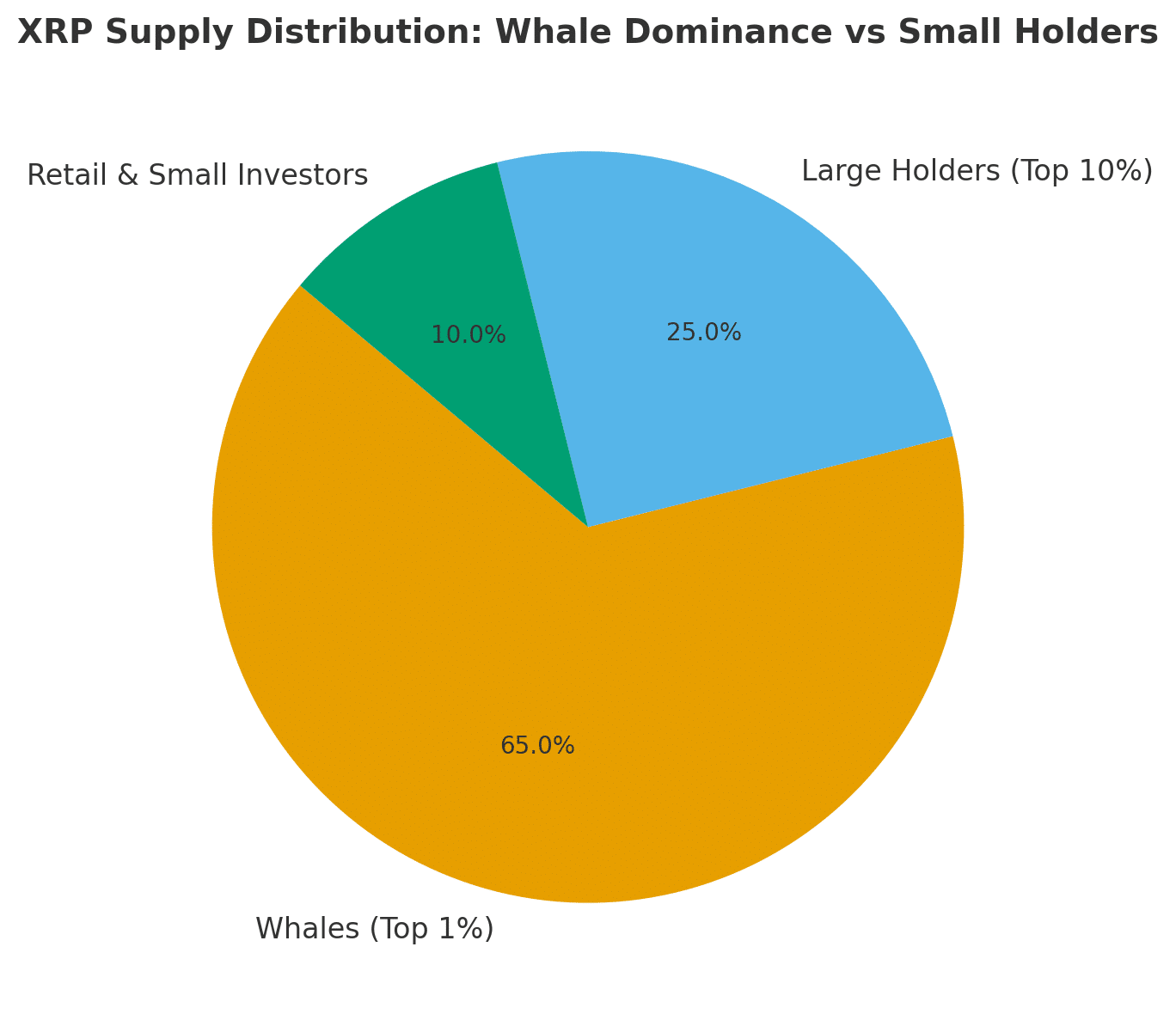
The filing stated that a handful of wallets control a substantial portion of XRP’s supply. This concentration creates the potential for whale manipulation risk, where large holders can tilt the market through coordinated moves or sudden liquidations.
For years, critics have argued that crypto’s lack of distribution makes it vulnerable. The difference now is that a regulated ETF issuer is putting that concern in black and white.
Attorney Bill Morgan reacted on X, calling it “a rare moment when institutional players admit what retail traders have been saying for years”. His words reflect a shift in how market participants perceive the risk.
By recognizing whale manipulation risk in formal filings, institutions are essentially telling regulators and investors that the issue can no longer be brushed aside.
XRP’s Supply Structure Adds to Pressure
Unlike Bitcoin, where miners release new supply steadily, XRP’s full issuance was locked in from the start. That design quirk means whale manipulation risk can become amplified, because no new tokens enter circulation to dilute the impact of large trades. When a top wallet transfers tens of millions of XRP to an exchange, the market often reacts within hours.
This rigid supply framework has long been a double-edged sword. On one hand, it removes inflationary pressure. On the other, it magnifies volatility when whale wallets make sudden moves. That structural challenge makes the Cyber Hornet filing particularly relevant: regulators and investors now have to weigh systemic design against market opportunity.
ETF Innovation Meets Market Reality
The Cyber Hornet proposal isn’t just about crypto risk. The ETF itself represents a trend where asset managers combine traditional equity exposure with crypto allocation. By weighting 75% in S&P 500 and 25% in XRP, the fund aims to balance growth potential with perceived safety. But the inclusion of whale manipulation risk changes the narrative.
Investors seeking diversified exposure may hesitate if they believe XRP’s price could be distorted by a small cluster of wallets. As one analyst posted on X, “This isn’t just about risk disclosure, it’s about reshaping how regulators view crypto ETFs”. That insight captures why the filing is making waves well beyond XRP’s community.
Market Implications and Sentiment Shifts
For XRP holders, the Cyber Hornet ETF filing cuts both ways. On the bullish side, ETF approval could drive institutional inflows, thereby boosting liquidity. On the cautious side, whale manipulation risk remains a live factor. The Fear & Greed Index recently shifted toward neutral after weeks of pessimism, suggesting traders are weighing both narratives carefully.
Whale tracking platforms have already reported significant wallet activity, with accumulation trends pointing to confidence, but large exchange transfers reminding the market of looming risks. Against that backdrop, the ETF filing looks less like paperwork and more like a mirror held up to the state of XRP itself.
Conclusion
The Cyber Hornet ETF filing has pushed whale manipulation risk into the mainstream. By naming the concern openly, the issuer has sparked a wider conversation about fairness, transparency, and investor protection in crypto markets.
For XRP, the filing may become a turning point. If regulators acknowledge the risk yet still approve the fund, it could mark a new chapter in institutional adoption. Until then, whale activity remains both the shadow and the spotlight of XRP’s journey.
Source of the news,
Bitcoin News
FAQs
1. What is whale manipulation risk in XRP?
It refers to the potential for large XRP holders to influence price movements by making big trades, given the concentrated supply.
2. Why did Cyber Hornet mention whale manipulation risk in its ETF filing?
The firm included it as a formal disclosure, recognizing that investor confidence could be affected by concentrated ownership.
3. Does XRP’s supply structure make it more vulnerable?
Yes. Since XRP was pre-minted, there’s no new issuance to dilute the influence of whales, making sudden moves more impactful.
4. How could the ETF impact XRP’s market?
If approved, it could bring institutional inflows, but also spotlight ongoing concerns about manipulation risk.
Glossary of Key Terms
ETF (Exchange-Traded Fund): A pooled investment vehicle that trades on stock exchanges like a single security.
Whale: A large crypto holder whose trades can influence market trends.
Manipulation Risk: The possibility that concentrated ownership distorts price discovery.
Liquidity: The ease of buying or selling an asset without drastically changing its price.
Pre-minted Supply: When the entire token supply is created at launch, with no ongoing issuance.