






A powerful consortium of 10 European banks has unveiled plans to issue a fully regulated euro-pegged token through a new Amsterdam-based company called Qivalis. At the center of the strategy sits the Euro stablecoin, a euro-denominated digital asset that aims to blend traditional banking safeguards with the speed of blockchain-based payments.
The project targets the second half of 2026 for launch, once supervisors approve an electronic money licence from the Dutch central bank.
Qivalis, Governance And How The Stablecoin Will Work
Qivalis is structured as a dedicated entity that will hold reserves in cash deposits and short-dated high-quality securities, mirroring conservative treasury models that banks already use. The goal is to ensure that every unit of the Euro stablecoin is backed 1:1 by euro-denominated assets held in ring-fenced accounts.
Leadership includes senior executives with backgrounds in digital assets, payments and prudential regulation. For regulators, that combination of governance, disclosure and capital strength matters as much as the underlying blockchain rails.
MiCA Compliance And The Quest For Trusted Euro Liquidity
The European Union has spent years building the Markets in Crypto Assets framework, and the Euro stablecoin is designed to live inside that rulebook rather than at its edges. As an electronic money token, it must follow strict rules on reserve quality, redemption rights and reporting.
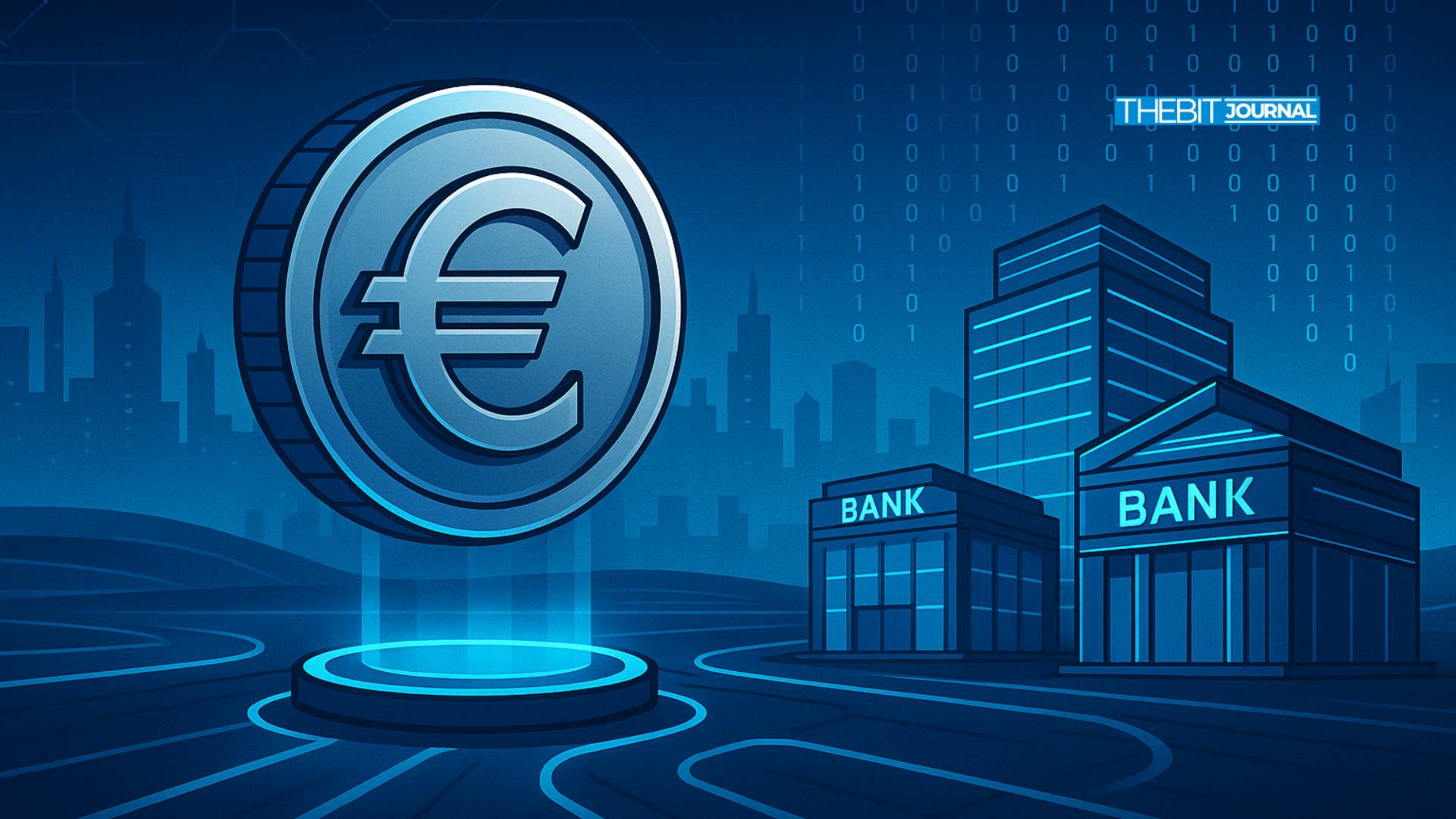
That design should give corporates, fintech platforms and market makers greater comfort when they deploy the Euro stablecoin for settlements or trading strategies. It also positions European banks to respond to the growth of dollar-denominated stablecoins that already anchor most on-chain liquidity.
Why Banks Are Moving Now
Large lenders have watched privately issued stablecoins grow into a market worth more than 300 billion dollars in value, with some tokens reaching daily volumes that rival major foreign exchange pairs.
Many treasurers would prefer to hold a regulated instrument that sits inside familiar banking supervision instead of relying on offshore structures. By sponsoring the Euro stablecoin through Qivalis, the consortium can keep client flows, data and fee pools within the European financial system. The move also helps address concerns that Europe has trailed the United States in digital asset infrastructure and tokenized payment rails.
Impact On Crypto Markets And DeFi Ecosystems
For traders, market makers and DeFi protocol designers, a credible euro token can do more than add another ticker to watch. The Euro stablecoin can deepen euro based liquidity pools on exchanges, support hedging strategies for European corporates and provide a cleaner base asset for tokenized bonds or invoices.

If the model scales, euro pairs may gain more prominence relative to dollar pairs across perpetual futures, lending markets, and on-chain foreign exchange pools. The presence of multiple household name banks behind a single issuance vehicle removes one of the largest trust barriers.
Euro Stablecoin Versus CBDCs And Private Issuers
Some observers may ask how the Ero stablecoin will sit alongside a potential digital euro from the European Central Bank or existing private stablecoins. The answer lies in its hybrid character. Unlike a central bank digital currency, which represents a direct claim on a monetary authority, the token is a claim on supervised commercial bank money that is pooled and tokenized through Qivalis.
At the same time, unlike many early private stablecoins, it must align with MiCA standards on transparency and reserve segregation. That positioning allows the Euro stablecoin to serve as a bridge asset between traditional accounts, tokenized deposits and Web3 applications.
Conclusion: A Strategic Test For European Finance
The launch of the Euro stablecoin will be more than a technical upgrade for bank payment systems. It will act as a live test of whether Europe can turn regulatory clarity into a competitive advantage in digital assets. If volumes build and users trust the peg, the project could invite new use cases, from programmable treasury workflows to cross border trade finance that settles in seconds instead of days.
If adoption stalls, it will still provide useful data on how far banks can move onto public chains while staying inside strict prudential guardrails. Either way, the experiment marks an important moment for European finance as it seeks a larger voice in the global stablecoin conversation.
Frequently Asked Questions
What is the new euro stablecoin project backed by European banks?
It is a Euro-denominated stablecoin issued through Qivalis, a Netherlands-based entity created by a consortium of 10 major banks, and backed 1:1 by high-quality euro assets.
How will this euro stablecoin differ from existing private stablecoins?
It is designed to operate under European electronic money and MiCA rules, which require strict reserve management, full redemption at par value and regular transparency reports.
When is the launch expected and what needs to happen first?
The consortium is targeting the second half of 2026, subject to approval of an electronic money licence from the Dutch central bank and successful technical and compliance testing.
Could this stablecoin affect dollar dominance in crypto markets?
If adoption grows, it could lift euro denominated trading pairs, deepen liquidity for euro based DeFi markets and reduce the current reliance on dollar pegged tokens in European use cases.
How might regular users feel the impact of this project?
Over time, merchants, fintech apps and institutions in Europe may gain faster and cheaper cross border payments, as well as more native euro options for saving, lending and investing onchain.
Glossary Of Key Terms
Stablecoin
A digital token that targets a relatively steady price, usually by being backed 1:1 by fiat currency or short term government securities.
Euro-denominated token
A crypto asset whose value tracks 1 euro, often through fully collateralized reserves held at regulated institutions.
Electronic Money Institution licence
A regulatory authorisation that allows a company to issue and manage electronic money, subject to capital, governance and safeguarding rules.
MiCA
Short for Markets in Crypto Assets, the European Union rulebook that sets standards for crypto issuers and service providers, including asset-referenced and electronic money tokens.
Central bank digital currency
A digital form of central bank money that represents a direct claim on a monetary authority, separate from privately issued stablecoins.
DeFi
Decentralized finance, a set of applications that run on public blockchains and offer services such as trading, lending, borrowing and asset management without traditional intermediaries.
References