





Decentralized finance is changing how financial services work across the world. It removes banks and middlemen from payments, lending, trading, and investing. Everything runs on blockchain networks using smart contracts. This system offers speed openness, and global access.
As DeFi grows, regulators are paying close attention. Governments are concerned about fraud, illegal activity and investor safety. Many DeFi platforms now handle billions of dollars. This level of financial activity cannot stay outside legal systems forever.
Compliance refers to following laws, rules, and regulations. In DeFi this idea feels complex because the system is decentralized. There is no single company or office to control it. Even so compliance is becoming a key topic in the DeFi space.
Navigating compliance in the decentralized finance space is now part of DeFi growth. Understanding these rules helps explain where DeFi is heading and how it may change in the future.
What Is Decentralized Finance and How It Works
A Simple Explanation of DeFi for Beginners
Decentralized finance often called DeFi is a system that offers financial services without banks. These services include lending borrowing trading and saving. Everything runs on public blockchains like Ethereum and similar networks.
Smart contracts are the backbone of DeFi. These are pieces of code that run automatically when conditions are met. For example a loan contract releases funds once collateral is locked. No human approval is needed.
DeFi platforms are open to anyone with an internet connection. There is no signup form or credit check. This openness is one of the biggest strengths of DeFi. It is also one of the biggest challenges for compliance.
Traditional finance works very differently. Banks know customers monitor transactions and follow strict rules. DeFi removes these controls which creates regulatory concern.
DeFi vs Traditional Finance Overview
| Feature | Traditional Finance | Decentralized Finance |
| Control | Central institutions | Smart contracts |
| Access | Permission based | Open access |
| Identity checks | Required | Often optional |
| Transparency | Limited | Public blockchain |
Why Compliance Is Becoming Important in DeFi
The Shift From Open Systems to Regulated Environments
In the early days DeFi was small and experimental. Few people used it and risks were limited. That situation has changed quickly. DeFi protocols now manage tens of billions of dollars in value.
With growth came problems. Hacks scams and protocol failures caused large losses. According to blockchain security reports DeFi hacks resulted in billions of dollars in losses in recent years. Regulators noticed these risks.
Governments worry about money laundering and terrorist financing. Open systems allow funds to move across borders easily. This makes law enforcement difficult. As a result compliance discussions increased.
Regulation is not meant to stop innovation. It aims to reduce harm and protect users. Compliance in DeFi is becoming a response to real world risks.
Key Compliance Challenges in the DeFi Ecosystem
Why Regulation Is Hard in a Decentralized System
DeFi has no central authority. There is no CEO or headquarters. This makes it unclear who is responsible when something goes wrong. Traditional laws expect clear ownership and control.
Many DeFi users remain anonymous. Wallet addresses do not show real names. This creates challenges for identity verification. Regulators rely on knowing who is involved in financial transactions.
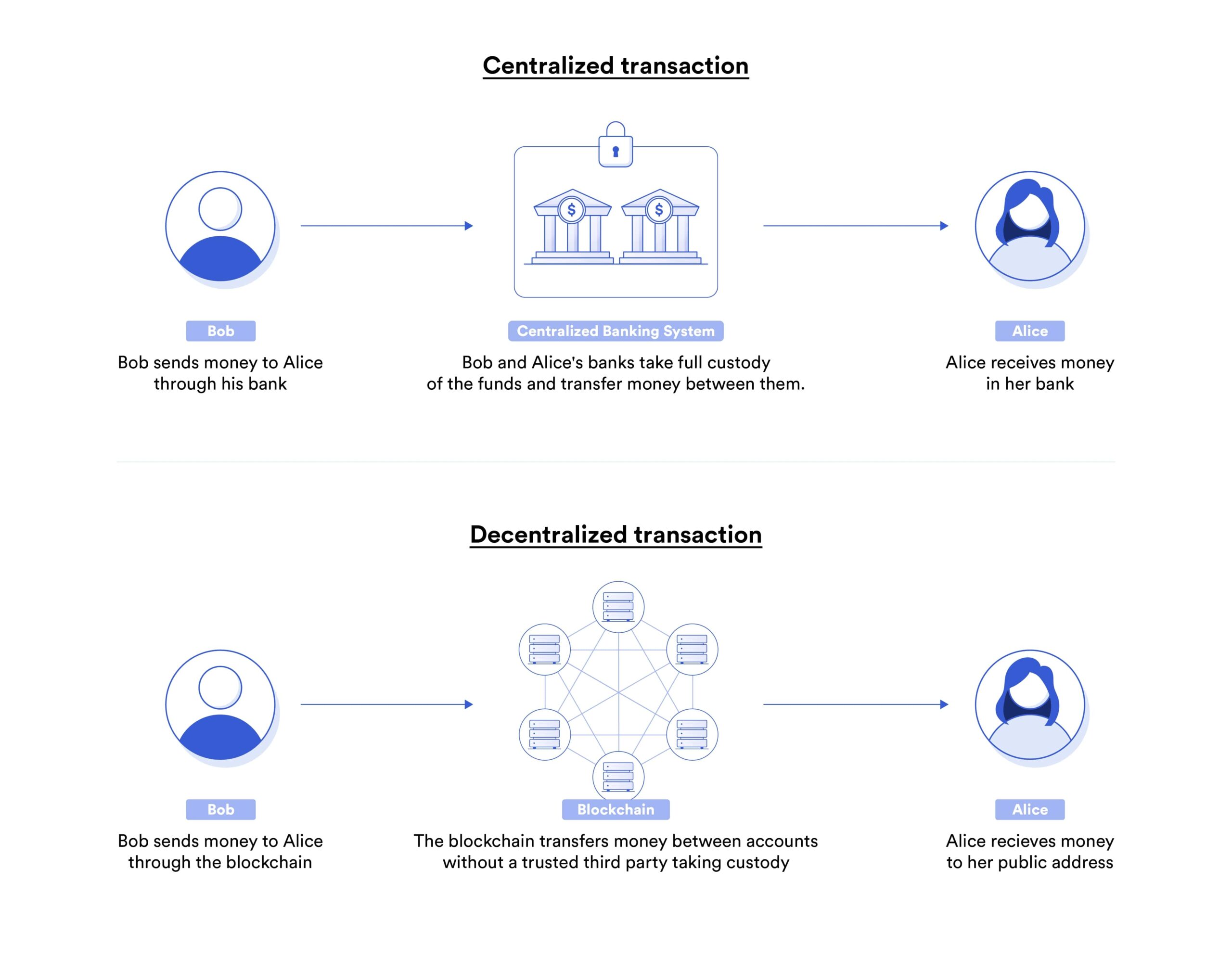
DeFi platforms are global by nature. A protocol may be built in one country used in another and governed by token holders worldwide. Laws vary across regions which confuses.
These issues make compliance difficult but not impossible. Understanding these challenges is the first step toward better regulation.
Major Compliance Challenges in DeFi
| Challenge | Description | Impact |
| No central owner | No clear legal responsibility | Enforcement difficulty |
| User anonymity | No identity verification | AML concerns |
| Global access | Cross border activity | Conflicting laws |
| Open source code | Anyone can deploy | Hard to control |
Understanding KYC and AML in DeFi
Know Your Customer and Anti Money Laundering Explained Simply
KYC stands for Know Your Customer. AML stands for Anti Money Laundering. These rules exist to prevent illegal financial activity. Banks must follow them strictly.
KYC requires identity verification. Customers provide names documents and addresses. AML rules monitor transactions for suspicious behavior. Together they form the backbone of financial compliance.
DeFi platforms struggle to apply these rules. Many protocols were designed to avoid identity checks. Adding KYC can reduce privacy and decentralization.
Some DeFi projects are experimenting with optional verification. Others use compliance at entry and exit points such as exchanges. This hybrid approach is becoming more common.
KYC in Centralized vs Decentralized Systems
| Area | Centralized Finance | DeFi |
| Identity checks | Mandatory | Limited or optional |
| User accounts | Required | Wallet based |
| Transaction monitoring | Central control | Blockchain based |
| Compliance enforcement | Direct | Indirect |
Smart Contracts and Compliance Risks
How Code-Based Finance Creates Legal Questions
Smart contracts are programs that execute financial actions. They are powerful but not perfect. Bugs and errors can cause losses.
When a smart contract fails it is unclear who is responsible. Is it the developer the user or the protocol itself. This question creates legal uncertainty.
Regulators are concerned because smart contracts operate without oversight. Once deployed they are hard to stop. This lack of control increases compliance risk.
Audits and formal verification help reduce risk. Many projects now invest heavily in security audits to show responsibility.
Global Regulatory Approaches to DeFi
How Different Regions Are Handling DeFi Compliance
Countries treat DeFi differently. Some focus on strict enforcement. Others aim for innovation friendly regulation.
The United States focuses on investor protection and enforcement. Regulators target platforms that resemble traditional financial services. The European Union focuses on comprehensive frameworks.
Asia shows mixed approaches. Some regions support innovation. Others impose strict bans. This global difference creates uncertainty.
DeFi projects must navigate this patchwork of rules. Compliance strategies often depend on geography.
Regional DeFi Regulation Overview
| Region | Regulatory Focus | Approach |
| United States | Investor protection | Enforcement driven |
| European Union | Consumer safeguards | Framework based |
| Asia | Mixed policies | Country specific |
The Role of Stablecoins in DeFi Compliance
Why Stablecoins Face Higher Regulatory Attention
Stablecoins are digital tokens tied to fiat currencies. They are widely used in DeFi for trading and payments. Their stability makes them important.
Regulators focus on stablecoins because they connect crypto to real money. Large stablecoin failures could affect financial stability.
Concerns include reserve backing transparency and redemption rights. Regulators want proof that stablecoins are fully backed.
Compliance rules for stablecoins are tightening. This affects DeFi protocols that rely heavily on them.
Decentralized Governance and Legal Responsibility
Who Is Accountable in DeFi Projects
Many DeFi platforms are governed by DAOs. Token holders vote on changes. This model promotes decentralization.
Legal systems struggle with DAOs. They do not fit traditional company structures. Assigning responsibility becomes difficult.
Some DAOs register legal entities. Others remain fully decentralized. This decision affects compliance exposure.
Governance design is becoming part of compliance planning in DeFi.
DAO Governance and Compliance Risk
| Governance Model | Legal Clarity | Compliance Risk |
| Fully decentralized | Low | High |
| Hybrid DAO | Medium | Medium |
| Registered entity | High | Lower |
Compliance Tools Emerging in the DeFi Space
How Technology Is Being Used to Meet Regulations
Blockchain analytics tools track transactions across networks. These tools identify suspicious behavior patterns.
Some protocols integrate compliance checks into smart contracts. Others rely on third party monitoring.
Privacy preserving compliance tools are also emerging. These aim to balance regulation and user freedom.
Technology is playing a key role in navigating compliance in the decentralized finance space.
Privacy vs Compliance in DeFi
Balancing User Freedom and Regulatory Rules
Privacy is a core value in DeFi. Many users prefer financial independence and anonymity.
Regulators prioritize transparency. They want to trace funds and prevent abuse.
Balancing these needs is challenging. Too much compliance reduces decentralization. Too little invites enforcement action.
The future likely includes selective disclosure and zero knowledge tools.
Conclusion
Compliance is no longer optional in DeFi. Growth brings responsibility. Regulation does not mean the end of decentralization. It signals evolution.
Understanding compliance helps explain the DeFi future direction. The decentralized finance space continues to adapt and mature.
Frequently Asked Questions
Is decentralized finance legal
DeFi legality depends on the region. Many countries allow it with conditions.
Is DeFi regulated
DeFi is partially regulated. Oversight is increasing worldwide.
Can DeFi avoid KYC
Some platforms try but pressure is rising to adopt verification.
Will regulation kill DeFi
Regulation is reshaping DeFi not destroying it.
Summary
Decentralized finance has changed how financial services operate by removing traditional intermediaries and relying on blockchain based systems. This open model allows anyone to access lending trading and payment services through smart contracts. As DeFi continues to grow and handle large amounts of value it has drawn strong attention from regulators across the world.
Compliance in the decentralized finance space focuses on issues such as identity verification transaction monitoring and legal responsibility. Traditional financial rules like KYC and AML are difficult to apply because DeFi platforms do not have central owners and often allow anonymous participation. Global access and different regional laws make regulation even more complex.
Despite these challenges, compliance is becoming unavoidable. Governments are responding to fraud, hacks, and financial stability risks by increasing oversight. Stablecoins, DAOs, and smart contracts are now key areas of regulatory focus. Many DeFi projects are adapting by using compliance tools, hybrid governance models, and partnerships with regulated entities.
Navigating compliance in the decentralized finance space does not mean the end of decentralization. Instead, it reflects the natural growth of the ecosystem. As clearer rules emerge, DeFi is expected to evolve into a more mature system that balances innovation, user freedom, and regulatory responsibility.