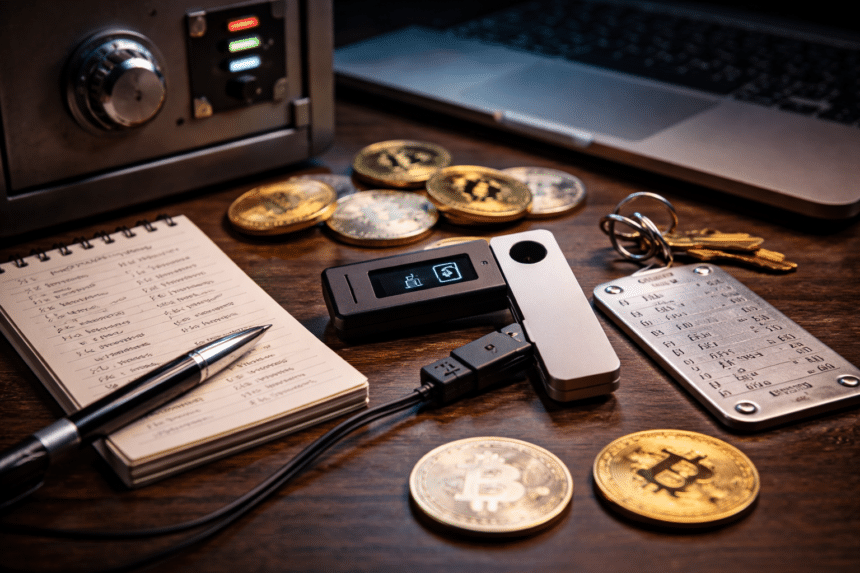

The ownership of cryptocurrency changed after multiple major cryptocurrency exchanges suffered operational failures and security breaches throughout the past five years. Users who relied on online services to manage their private keys lost billions of dollars in Bitcoin and other digital assets. The blockchain system maintains its operational function after an exchange suffers a security breach yet users lose their ability to access their cryptocurrency. Investors required basic crypto security knowledge because of this situation. The person who possesses the private key has full control over all digital coins. Blockchain analytics firms report that crypto theft has reached multiple billion-dollar losses every year since 2021. The biggest losses did not come from breaking Bitcoin itself. The biggest losses occurred through online wallet breaches which included phishing websites and custodial platform attacks. The concept of self custody has become the foundation of cryptocurrency ownership. People began using cold storage wallets because these devices create a secure environment that protects against online threats.
Cold storage means that private keys get stored in an offline location. The wallet operates in offline mode which prevents any form of remote access. Hackers target systems that operate through internet connections. An offline device removes the main attack path. The organization experiences decreased risk through this straightforward adjustment.
The article explains the operation of cold storage systems, their institutional adoption reasons, and the process through which users can secure their cryptocurrency holdings by using offline wallets.
What Is a Cold Storage Wallet in Cryptocurrency
Definition of Cold Storage
A cold storage wallet serves as a method to store cryptocurrency private keys in an entirely offline mode. The wallet maintains its operation without establishing any internet connection. The blockchain maintains the coins, but their access depends on the private key which the wallet keeps.
Many beginners believe crypto is stored inside a wallet device. The blockchain serves as the storage system for all ownership records. The wallet only holds the secret key that allows spending. If someone copies that key, ownership transfers instantly.
Cold storage eliminates any connection to the internet. The key becomes secure because remote hackers need network access to steal it.
How Private Keys Work
Every crypto wallet contains two important elements. A public address and a private key. The public address works like an account number. The private key works like the signature that authorizes spending.
The private key must be used to sign a transaction which creates a new transaction. The blockchain system uses mathematical methods to verify the signature. The process operates without any central authority. The system only checks if the signature matches the key.
The leaking of a private key to the internet enables immediate and permanent transfer of funds. Blockchain systems do not include password reset features.
Why Cold Storage Exists
The first users of Bitcoin kept their digital coins on their home computers which had internet access. Malware started to look for wallet files shortly after its release. The first years of cryptocurrency use resulted in multiple people losing their entire savings.
Investors created offline storage systems to protect their assets when crypto prices started rising. First came paper wallets as the initial storage solution followed by hardware wallets and multi signature custody systems. Presently all financial institutions keep their most valuable assets in secure offline storage.
Cold storage became the standard because it matches the design of decentralized money. Security relies on the protection of key information because users do not need to trust specific platforms.
Hot Wallet vs Cold Wallet Key Security Differences
What Is a Hot Wallet
A hot wallet maintains continuous internet connection. The category includes mobile applications and browser extensions and exchange accounts. The system delivers immediate transaction processing together with simple system access.
Users find hot wallets to be easy to use but they face security risks because they constantly keep their internet connection active. Users can approve transactions without understanding the full process because malware and phishing websites and harmful smart contracts request transaction approval.
What Is a Cold Wallet
A cold wallet signs transactions that occur in an offline environment. The system prepares transaction data through online methods while users complete their approvals within the offline device. The hardware device maintains permanent security over the private key.
The system blocks most cyber attacks because of its dedicated security design. The attacker cannot access the key which the device stores even when the computer becomes infected.
Security Comparison
| Feature | Hot Wallet | Cold Wallet |
| Internet connection | Always online | Offline |
| Hacking risk | High | Very low |
| Convenience | High | Medium |
| Long term storage safety | Low | High |
| Suitable for trading | Yes | No |
| Suitable for savings | No | Yes |
When Each Wallet Should Be Used
Daily transactions require users to use hot wallets which suit their needs because of their ability to handle minor account balances. Cold wallets function as permanent storage solutions for users who need to secure their digital assets. Many investors split their funds into two different types of investments. The method functions like traditional banking which uses both checking and savings accounts.
Types of Cold Storage Wallets
Hardware Wallets
Hardware wallets function as compact electronic devices which enable users to keep their private keys stored in an offline environment. The system performs internal transaction signing before it transmits the signed output back to the user.
The key stays hidden from view on the attached device. The devices protect their secure chips which can withstand attempts to be hacked. The majority of current cryptocurrency users depend on this method for their needs.
Paper Wallets
A paper wallet prints a private key or seed phrase on physical paper. The system remains secure because hackers need online access to breach the system. The system faces two main dangers which include physical damage and complete loss of the system.
Paper storage provides functional capability but needs precise management for storage operations.
Air Gapped Computers
Advanced users sometimes use a permanently offline laptop. The system transfers transactions through the use of QR codes and USB transfer. This method creates extreme isolation but requires technical knowledge.
Multi-Signature Cold Storage
Organizations and investment funds implement multi signature storage solutions. The system needs multiple keys to approve any spending transaction. Complete fund control belongs to no single individual. The system stops internal theft while enhancing organization governance.
How Hardware Wallets Actually Protect Crypto
Secure Element Chips
Hardware wallets use secure element chips which function like banking card security systems. The chips create a secure environment which prevents unauthorized access to private keys through extraction methods. Physical attackers face difficulties when they try to access the information which remains protected in storage.
The device requires PIN codes as protection against any attempts to access it without permission.
Transaction Signing Process
The computer creates a transaction when users send cryptocurrency. The device displays details on its own screen.The system signs the transaction after receiving confirmation. The signed data returns to the computer, but the private key never leaves the wallet.
Recovery Seed Phrase System
During setup the device generates a recovery seed phrase containing 12 or 24 words. This phrase mathematically recreates all wallet keys.
If the device breaks, funds remain safe because the seed phrase restores access.
Are Cold Storage Wallets Really Safe? Statistics and Real Incidents
Major Exchange Hacks
Large exchange breaches have resulted in losses worth billions of dollars over the past decade. Most incidents involved stolen credentials or compromised servers rather than blockchain failure.
Offline storage would have prevented many of these cases because keys were kept online.
Losses From User Mistakes
Phishing scams currently account for more than half of theft incidents according to blockchain analysis reports. The attackers use deceptive methods to make users approve their harmful requests. The implementation of cold storage security measures lowers this particular threat because it needs physical device verification for all transactions.
Institutional Storage Trends
Bitcoin ETFs and custodators keep their reserves in secure cold storage vaults. Financial institutions implement security measures which require them to use both offline keys and multi signature authentication methods. The same model is available to individual holders.
Conclusion
Cryptocurrencies exist as ownership rights which people prove through their possession of cold storage wallets. People who control their private keys hold their ownership rights because they do not depend on company trust. The use of offline storage protects systems from most cyber threats because hackers face difficulties accessing systems that operate in complete isolation.
The protection of cryptocurrency assets does not rely on passwords or customer support services. It exists through the mathematical management of cryptographic keys. The safest storage solution for extended asset protection uses cold storage which follows this fundamental security principle.
As adoption grows, more users move funds from exchanges to personal custody. The shift reflects understanding that decentralized money requires personal security responsibility.
Frequently Asked Questions
What happens if a hardware wallet breaks
A hardware wallet serves as a means to obtain private keys, which function as the actual method to access cryptocurrency assets. The coins remain recorded on the blockchain. Users can restore device access by entering their recovery seed phrase into a compatible wallet after the device stops working. The seed allows users to retrieve their complete balance together with their transaction records, which will be accessible after restoring process.
Can crypto be recovered with the seed phrase
The seed phrase enables users to recover their cryptocurrency assets. The recovery seed phrase serves as the primary backup for the entire contents of the wallet. The system creates all wallet addresses together with their corresponding private keys through mathematical processes. Users can regain complete control of their assets by entering their recovery phrase into any hardware or software wallet. The seed phrase needs protection because it should remain secure and never be stored on any online device.
Is a paper wallet still safe
A paper wallet can provide offline storage, but it carries higher physical risk. Paper materials become vulnerable to damage through water and fire and fading ink and accidental disposal. Hardware wallets decrease this risk because they enable secure signing without revealing the private key and they make recovery easier through their standard seed phrase system. Hardware wallets offer better security than other systems because they provide safe storage for digital assets which require protection during extended time periods.
How much crypto should be kept in cold storage
Cold storage is most appropriate for funds which people intend to keep as long term savings instead of using for their daily expenses. The majority of cryptocurrency users maintain their digital assets in offline storage while reserving a small portion for their online hot wallet which they use to make transactions. The exact amount depends on usage habits, but any balance intended to remain untouched for extended periods benefits from cold storage protection.
Is cold storage necessary for small amounts
The need depends on security preference and risk tolerance. Attackers find small balances less appealing to target, but online wallets remain vulnerable to phishing attacks and malware installations. Cold storage adds protection regardless of value, so even modest holdings become safer when stored offline.
Summary
Cold storage wallets protect cryptocurrency through complete offline storage of private keys, which eliminates the primary access point used by hackers and malware. The key holder maintains ownership of the asset without relying on either exchanges or online applications. The same principle applies to hardware wallets, paper backups, and air gapped systems, which keep coins on the blockchain while the wallet secures their access. The standard method that institutions and long-term investors use has become offline signing because it greatly reduces risk which occurs from online account compromises and phishing attacks.
Home security systems need users to create complete backups of their recovery seed phrase because this single item enables fund restoration after device loss. Hot wallets enable holders to maintain small spending balances while they keep their savings stored in offline assets for extended protection. The approach reflects the core idea of decentralized finance, where security depends on personal control rather than platform trust. The most secure method for digital asset protection through self custody remains cold storage, which provides protection for digital assets through self custody, as cryptocurrency adoption progresses.