



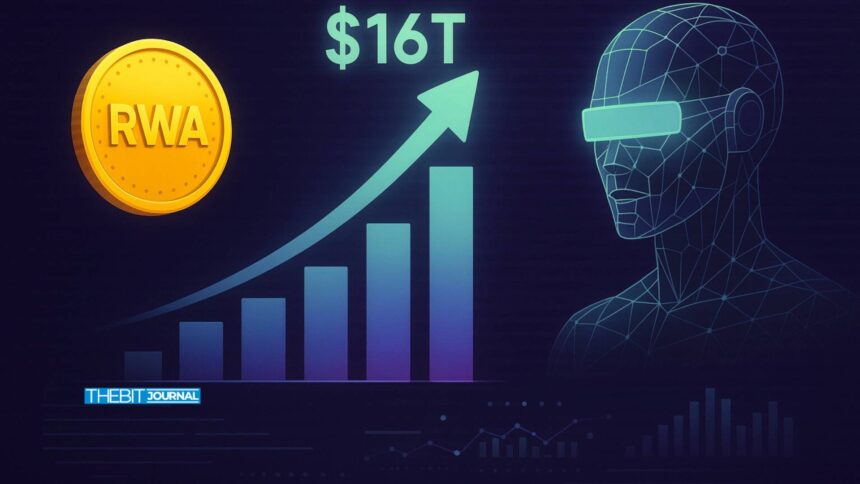

The global RWA tokenization market may reach $16 trillion by 2030, according to the 2025 Skynet RWA Security Report. The report revealed a surge in demand for tokenized U.S. Treasuries, now projected to hit $4.2 billion in 2025. Key drivers include traditional financial players and blockchain-native firms targeting yield and liquidity enhancements.
RWA Tokenization Gains Institutional Traction Fast
Traditional banks and asset managers are investing heavily in RWA tokenization infrastructure to digitize various real-world assets. The Skynet report highlighted growing use cases in sectors like private credit, trade finance, and money market funds. This movement blends institutional financial standards with blockchain-enabled benefits.

Major financial institutions are now piloting asset tokenization programs across debt instruments, commodities, and structured products. Skynet noted that these players aim to reduce operational costs while increasing transparency through distributed ledgers. Blockchain-native firms, meanwhile, offer the technical foundation for these transitions.
Market participants favor short-duration government securities due to their low risk and attractive returns. The report stated, “Tokenized U.S. Treasuries dominate, especially short-term instruments, due to yield and regulatory familiarity.” Liquidity management remains a core motivation across the board.
Regulatory Clarity and Infrastructure Gaps
While the outlook for RWA tokenization is positive, challenges remain across legal, technological, and regulatory dimensions. Skynet outlined gaps in cross-border legal frameworks, stressing the need for harmonized policies to unlock full market potential. Different jurisdictions apply varying legal interpretations to tokenized products.
Platforms in the United States, Hong Kong, and Singapore are building favorable regulatory environments. These regions could soon lead global standards that support institutional entry and product innovation. Skynet emphasized that early regulatory alignment boosts investor confidence and operational readiness.
The report also underscored the importance of secure custodial infrastructure for safeguarding tokenized assets. “Use of regulated, qualified custodians with robust security infrastructure is a critical factor,” Skynet warned. Cybersecurity and smart contract vulnerabilities remain persistent concerns for market stability.
RWA Tokenization: A Bridge Between TradFi and DeFi
RWA tokenization represents a pivotal point of convergence between traditional finance and decentralized finance ecosystems. Institutions see the possible efficiency and composability of blockchain management of real-world assets. This congruence promotes capital flows of retail as well as institutional investors.
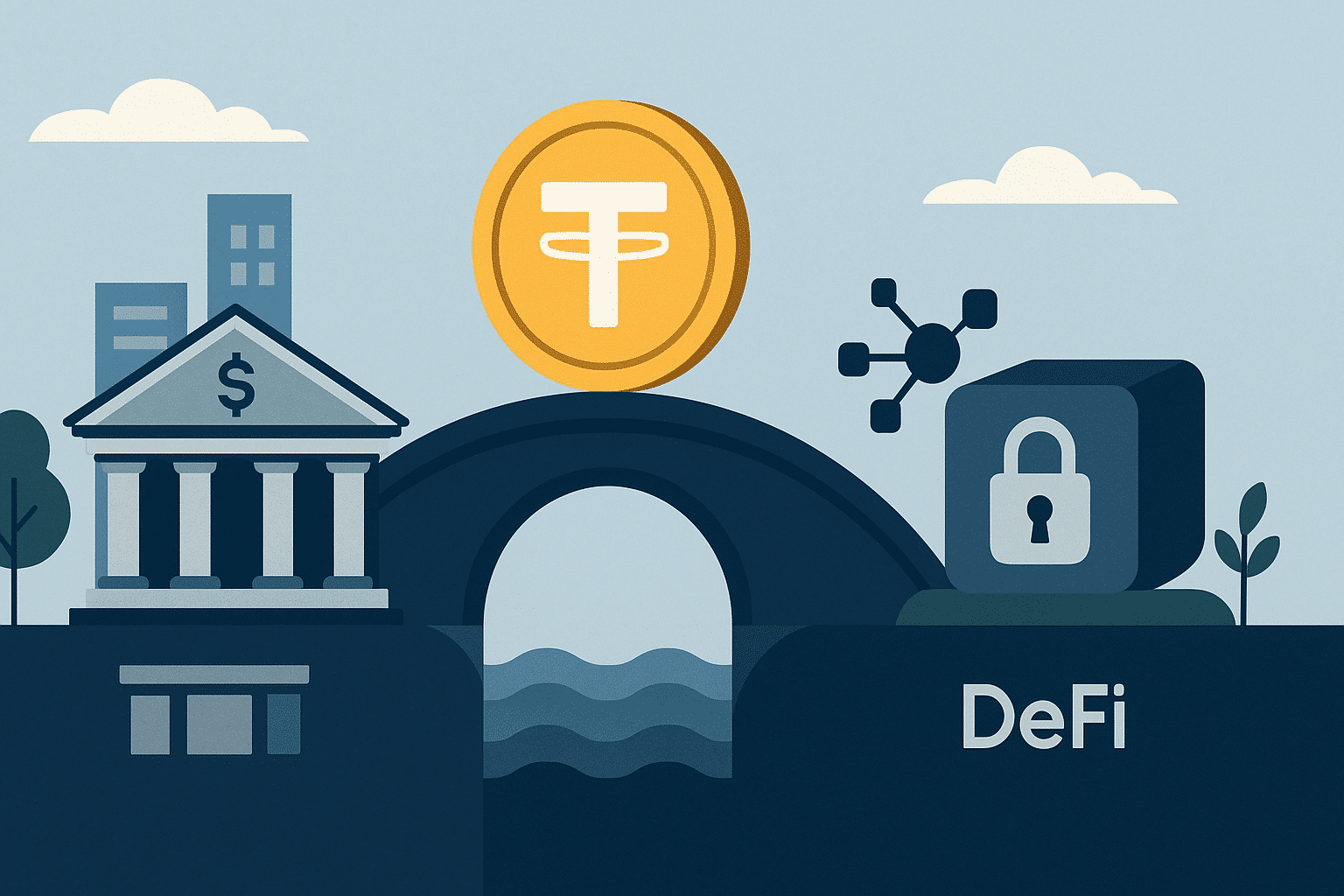
Access to tokenized RWAs has yet to be widely open to retailers because of complications related to technicalities and regulations. One way to fill this gap, the report recommends regulated intermediaries and streamlined on-ramps to investors. New protections and easy-to-use interfaces will be a fundamental part of this transition.
Kynet determined that to achieve the target of a market value of 16T, it needs to invest vastly on infrastructure and governance. Standardized risk, shared standards of compliance and platforms that are scalable are essential. There is a need, but operational maturity will be the determining factor for the number of years.
Summary
The 2025 Skynet RWA Security Report forecasts the RWA tokenization market could expand to $16 trillion by 2030. It defines tokenized Treasuries as a top asset class and it outlines institutional momentum. The main obstacles are legal fragmentation, cybersecurity risk, and access to retail. Legal innovation and infrastructure shall be critical in sustainable growth.
For more crypto news, visit the platform.
FAQs on RWA Tokenization
What is RWA tokenization?
RWA tokenization is the process of creating blockchain-based digital tokens that represent ownership of real-world assets like bonds or commodities.
Who uses RWA tokenization?
Traditional banks, asset managers, and crypto-native platforms use RWA tokenization to improve efficiency, liquidity, and yield in asset management.
What are the risks in RWA tokenization?
Risks include smart contract flaws, lack of legal clarity, custodial insecurity, and low secondary market liquidity for certain assets.
How can retail investors access tokenized RWAs?
Retail investors can access these assets through regulated platforms or intermediaries offering simplified interfaces and investor protection features.
Which countries are leading in RWA tokenization?
The United States, Hong Kong, and Singapore are developing supportive regulations and platforms for large-scale RWA tokenization efforts.
Glossary of Key Terms
RWA Tokenization
A way to represent the underlying or existing physical or financial assets using a blockchain and creating tradable tokens that are anchored to real-world value.
TradFi
Short for conventional finance, it encompasses the conventional financial firms such as banks and asset managers.
DeFi
Decentralized finance; blockchain-based financial services free of the traditional mediators.
Smart Contract
Machine code that self-executes on blockchain platforms and automates agreements and transfers of ownership of assets.
Custodian
A third-party depository that places assets under custody subject to the ownership of the investors or institutions.
Composability
The capacity of blockchain-based applications to interconnect and communicate with each other.
Infrastructure Investment
Capital investment in systems, platforms and technologies to enable large-scale tokenization.
References: