
This article was first published on The Bit Journal.
Coinbase CEO Brian Armstrong just issued a statement that the era of traditional markets is ending and tokenized finance is the future.
Speaking with BlackRock CEO Larry Fink at The New York Times DealBook Summit, Armstrong said “everything that can be tokenized will be,” imagining a world where stocks, real assets, and financial instruments go on-chain, trade around the clock, and settle in seconds.
What Armstrong Is Saying With “Tokenized Finance Future”
By “tokenized finance,” Armstrong envisions the conversion of traditional financial assets like stocks, bonds, real-estate shares, and private equity stakes, among others, move into digital tokens on a blockchain.
These tokens represent an ownership or a claim on real-world items but benefit from the advantages that blockchain technology offers; such as non-stop availability, immediate settlement, fractionalized ownership options, can be transferred globally and create transparency.
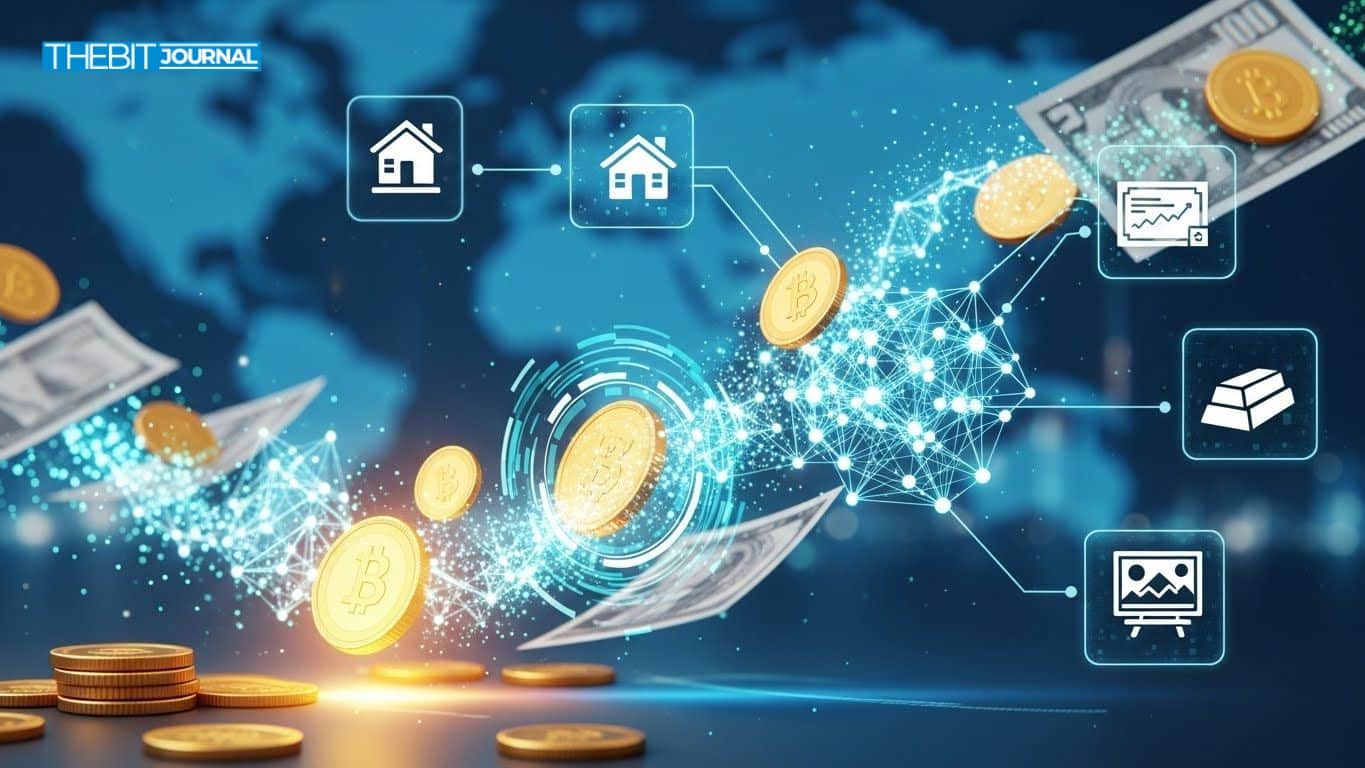
In November 2025, Armstrong said in a statement that legacy trading hours and closing markets were obsolete. Tokenized assets which can trade and settle around the clock will provide “much better” levels of service to end users worldwide, he added.
He makes the case that this will allow more access and inclusion. Retail investors in under-banked regions could be trading global assets; small players could own fractions of expensive assets; and the speed and transparency of blockchain could lower costs and friction in traditional financial systems.
Coinbase’s Moves Toward Building the Tokenized Future
Coinbase isn’t only talking it’s acting. Back in September 2025, Armstrong said he planned to transform Coinbase into a “super app” that did more than just crypto trading but offered payments, savings, investments and banking-like services, all of it running on top of crypto rails.
In October 2025, Coinbase said it is building privacy into transactions on its layer-2 network Base after acquiring the team behind a privacy blockchain.
More recently, during an appearance at the DealBook Summit in early December 2025, Armstrong shared that Coinbase is testing stablecoins, crypto custody and even tokenized asset trading with major U.S. banks via pilot programs.
What the Market Is Telling
Coinbase is not alone. The regulatory system already seems to be warming up to tokenized finance. The recent investment by ARK Venture Fund into a leading tokenization specialist backed by BlackRock shows growing confidence among institutional investors.
More generally, analysts and financial firms point to tokenization’s role in smoothing the process of venture capitalists exiting their investments, opening up liquidity for illiquid assets and widening the pool of global investors with access to given markets.
The convergence of institutional interest, technology development, and regulatory progress brought Armstrong’s vision back, bringing the age of tokenized finance from theory to a fully fledged large-scale application.
Conclusion
The December 2025 comments from Brian Armstrong signal a mounting belief inside one of the world’s biggest crypto exchanges that tokenization will transform global finance.
As it builds infrastructure, partners with banks and aims to become a full-service financial “super app,” Coinbase is inching closer to that vision of a universe where assets can be traded 24/7, settle instantly and are globally accessible.
Glossary
Tokenization – The process of transforming rights to real-world assets into digital tokens on a blockchain, which renders them tradeable, divisible, and transferable.
Real World Assets (RWA) – Financial assets (stock, real estate, bond, etc.) that can only be represented in a digital form, e.g, symbolizing value on blockchain.
Fractional Ownership – Splitting an asset into pieces (tokens) so that investors can own parts of otherwise high-cost assets without purchasing them in full.
24/7 Market – A market that is open all day and all night, so there are no restrictions on when one can trade as with traditional markets.
Frequently Asked Questions About Tokenized Finance
What does Brian Armstrong mean by “everything that can be tokenized will be”?
He is referring to the possibility that almost all traditional assets, such as equities, real estate, bonds, startups, and so on, might one day take the form of blockchain tokens that would be tradable, divisible, and available across borders.
What would be the advantages of tokenizing finance for regular end users?
It enables fractional ownership, global access, cheaper and faster transactions, broader investment opportunities, and 24/7 markets.
Is Coinbase itself already building tools around this tokenized future?
Yes. Coinbase has also said it plans to offer private transactions on its Base network, pilot tokenized securities with banks and move beyond crypto trading into payments, credit and other financial services.
Does tokenization need regulation to take off?
Yes. Regulatory clarity especially for tokenized securities, custody and compliance will be needed to determine whether tokenized finance can scale safely and legally.
References
Blockchain
CoinDesk
Fortune
Crypto Briefing
arXiv
Investopedia